
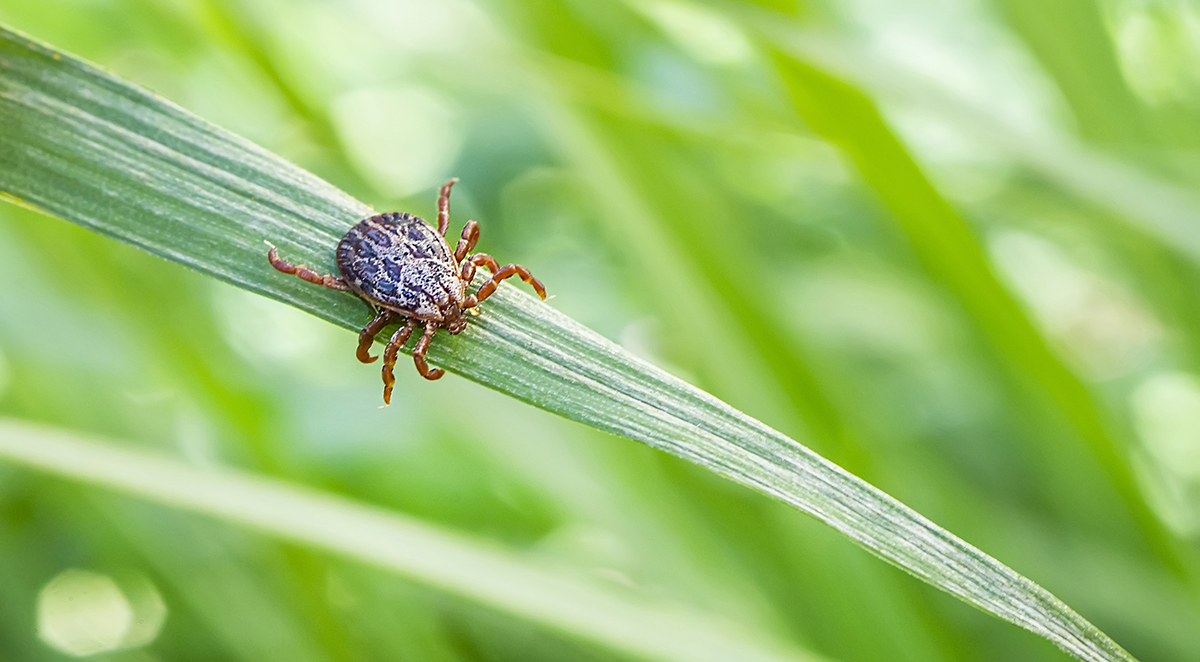
If you live in Yadkin County, you already know that the rolling farmland, creeks, and wooded stretches that make this area beautiful also create prime habitat for pests. From Yadkinville to East Bend and Boonville, homeowners face a rotating cast of insects and wildlife that shifts with every season. Understanding which pests are most active and when they're likely to appear is one of the best ways to stay ahead of damage.
This seasonal guide breaks down the most common pest concerns for residents and offers practical advice for protecting your home throughout the year.
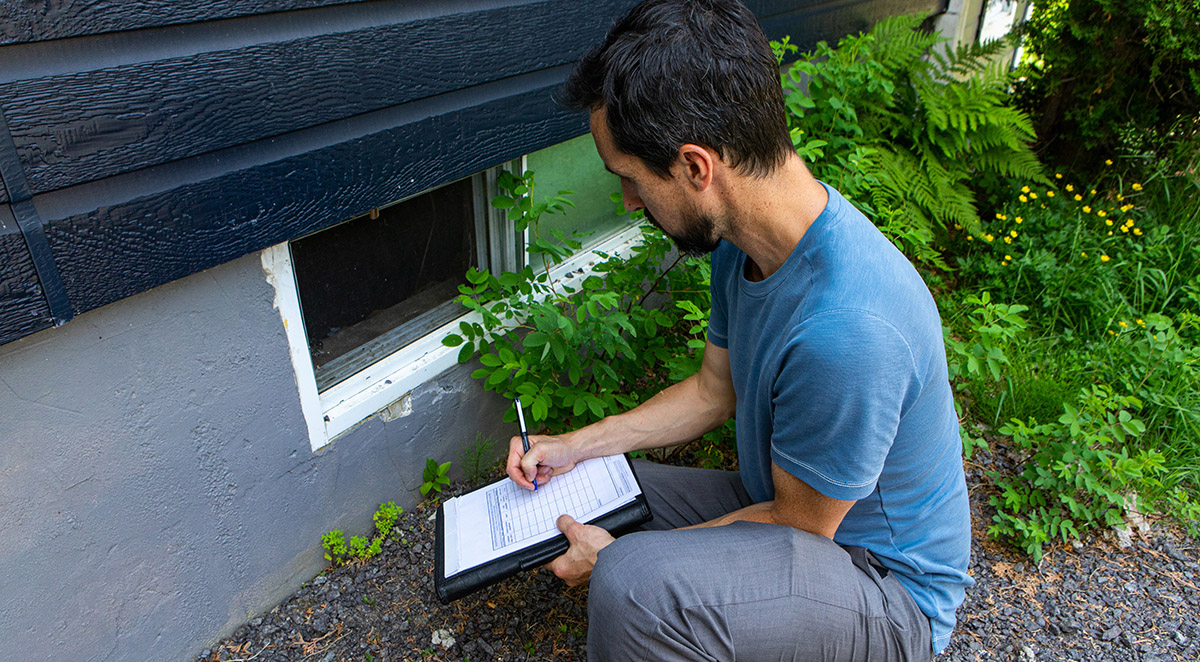
A termite inspection is one of the most important steps in any North Carolina real estate transaction. Termites are often called "silent destroyers" because they cause devastating structural damage long before homeowners notice visible signs. In North Carolina, where warm temperatures and humidity create ideal conditions for subterranean termites, protecting your investment starts with a thorough inspection.

If you've recently found evidence of termites, or you're looking to get ahead of the problem before it starts, one of the first questions your pest control technician will discuss with you is treatment method. Two options dominate professional termite control today: liquid termiticide treatments and termite bait systems. Both work. Both are used by licensed professionals throughout North Carolina. But they work differently, they suit different situations, and understanding the distinction can help you have a more informed conversation when it's time to protect your home.
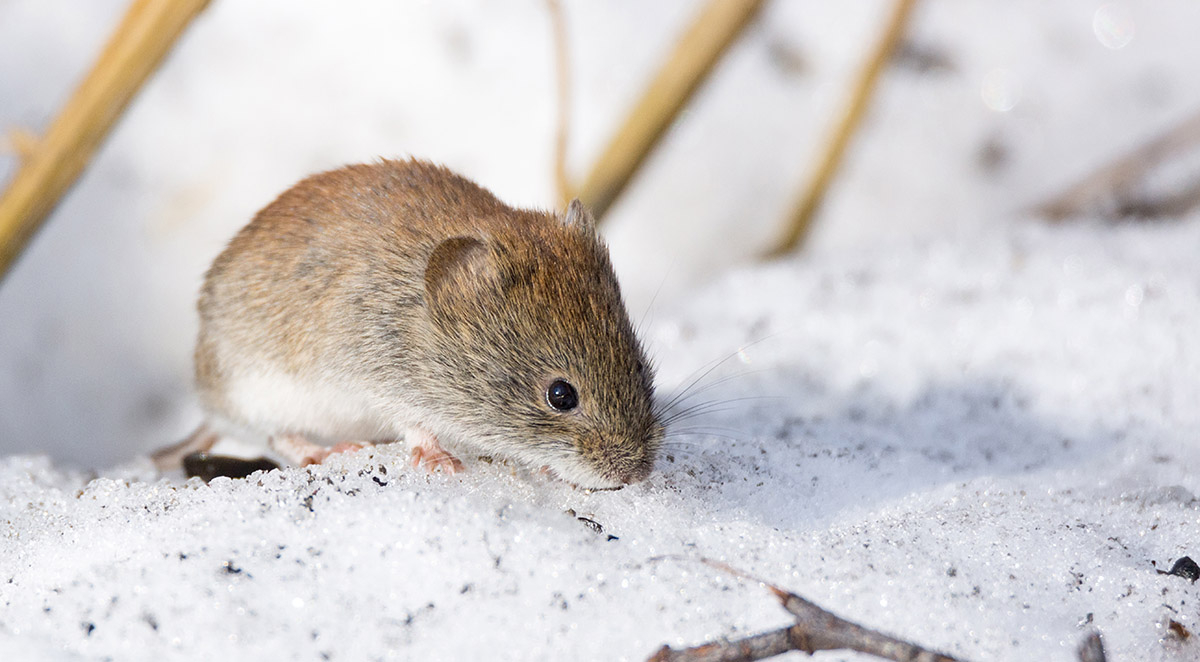
Mice and rats don't hibernate during cold weather. Instead, they seek warm shelter, abundant food sources, and safe nesting sites and unfortunately, your home provides all three. Understanding effective rodent prevention strategies and implementing winter rodent control measures before the first freeze can protect your property from the extensive damage and health risks these unwanted visitors bring.
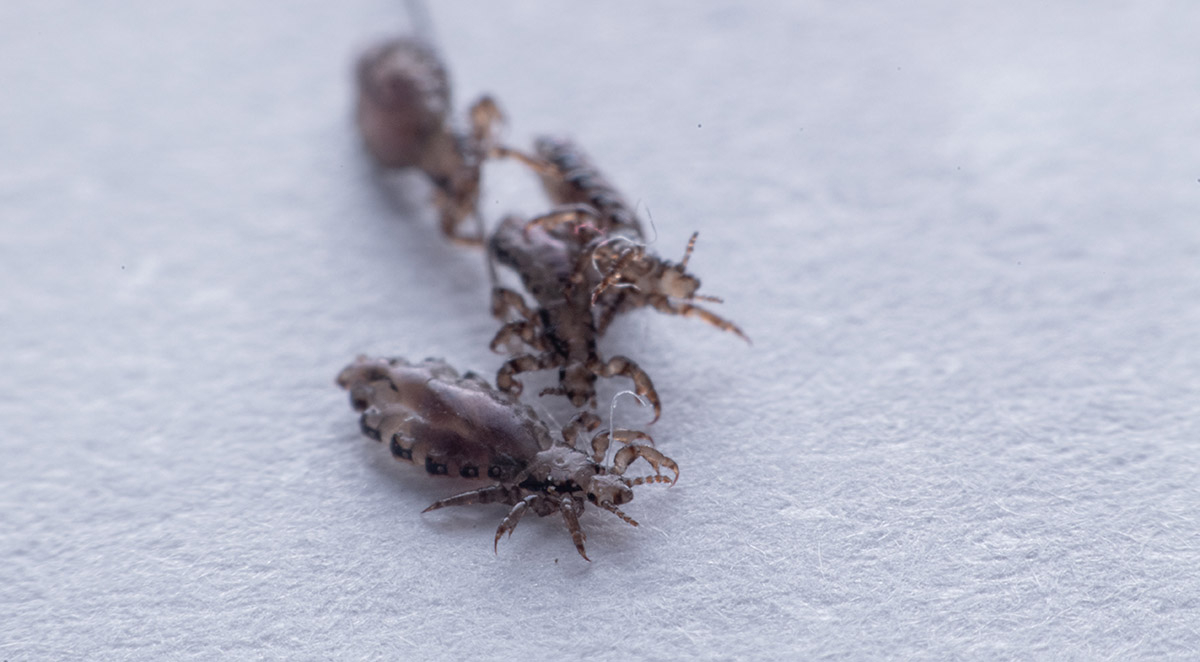
Winter pest control is an essential component of year-round home maintenance that many property owners overlook. While it's true that some pests become less active during cold weather, winter creates unique challenges that make professional pest management just as important as it is during warmer months.