
Rid-a-Bug Exterminating Blog
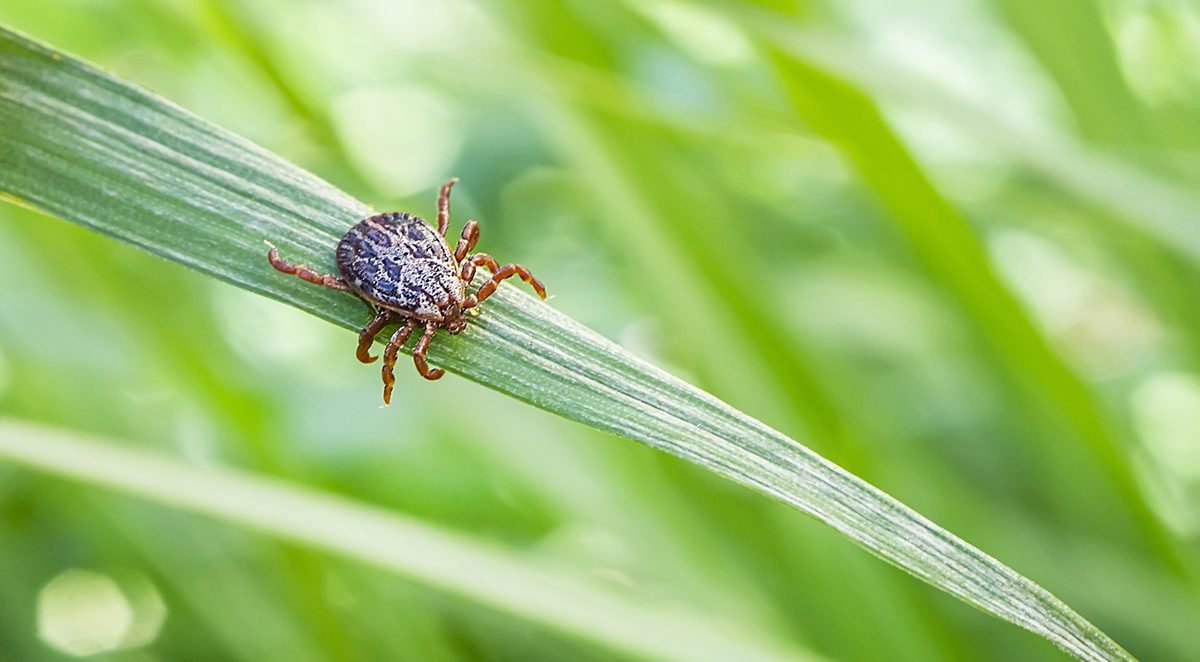
If you live in Yadkin County, you already know that the rolling farmland, creeks, and wooded stretches that make this area beautiful also create prime habitat for pests. From Yadkinville to East Bend and Boonville, homeowners face a rotating cast of insects and wildlife that shifts with every season. Understanding which pests are most active and when they're likely to appear is one of the best ways to stay ahead of damage.
This seasonal guide breaks down the most common pest concerns for residents and offers practical advice for protecting your home throughout the year.
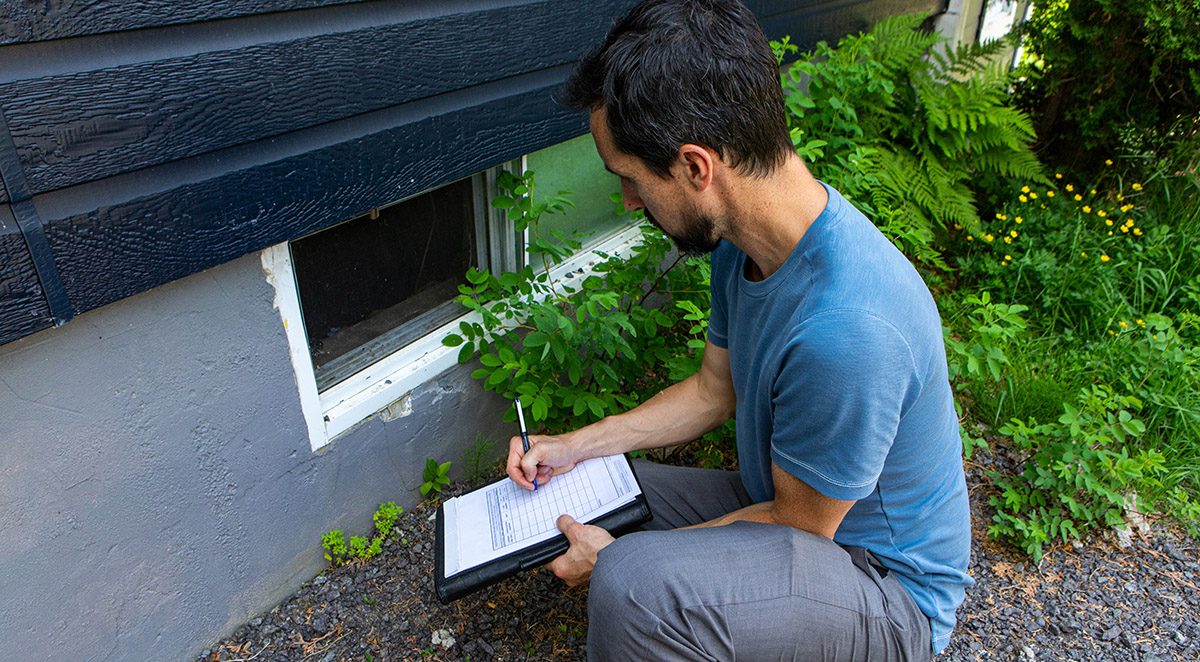
A termite inspection is one of the most important steps in any North Carolina real estate transaction. Termites are often called "silent destroyers" because they cause devastating structural damage long before homeowners notice visible signs. In North Carolina, where warm temperatures and humidity create ideal conditions for subterranean termites, protecting your investment starts with a thorough inspection.

If you've been researching pest control options online, there's a reasonable chance ozone generators have come up. The concept has appeal: a chemical-free device that fills a space with ozone gas and kills bugs without spraying anything. For homeowners in Wilkes County and across the NC foothills who prefer lower-footprint pest management approaches, the idea seems worth investigating.

Every spring and early summer, homeowners across Wilkes County, Yadkin County, and the NC foothills start finding them: tiny, wide-eyed opossums wandering alone in yards, clinging to fences, or appearing from underneath decks and porches. Baby opossum season generates more calls, more online searches, and more well-intentioned but sometimes misguided interventions than almost any other wildlife situation we encounter.
Understanding the opossum's lifecycle, knowing when a baby genuinely needs help and when it doesn't, and recognizing when an opossum problem has moved from a yard situation to a structure situation are all useful things for any foothills homeowner. Here's what you actually need to know.
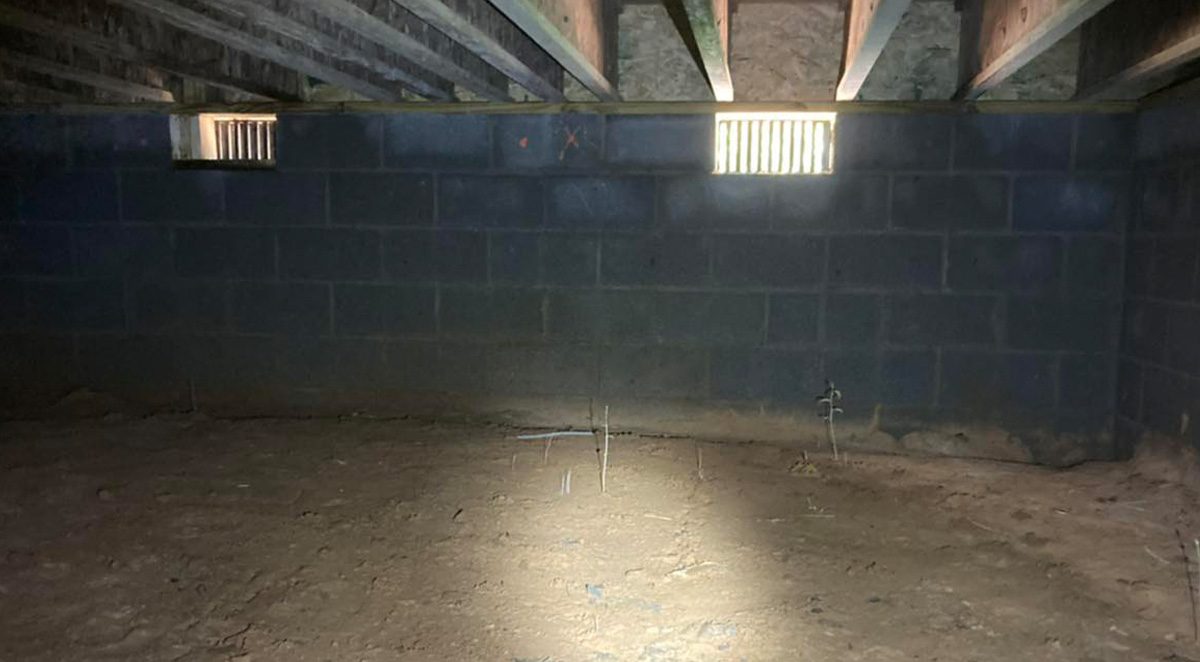
If you've had a pest inspection recently or you're in the process of buying a home in Wilkes County or Yadkin County, there's a good chance crawl space encapsulation has come up in the conversation. For homeowners who haven't encountered the term before, the concept can seem abstract: sealing off a space most people never think about doesn't immediately sound like a pressing priority. But in the NC Piedmont and foothills, where crawl space construction is common, humidity is consistently high, and termite pressure is year-round, the crawl space is one of the most consequential areas of a home for long-term structural health and pest prevention.

Moisture is one of the most underestimated threats facing homeowners in Wilkes County, Yadkin County, and across the NC Piedmont and foothills. It doesn't announce itself the way a broken pipe or a flooded basement does. It accumulates gradually, moving through the structure of a home in ways that aren't always visible until significant damage has already taken hold.
By the time most homeowners notice a musty odor, a soft spot in the floor, or a suspicious stain on the ceiling, the moisture causing it has often been present for months or years.
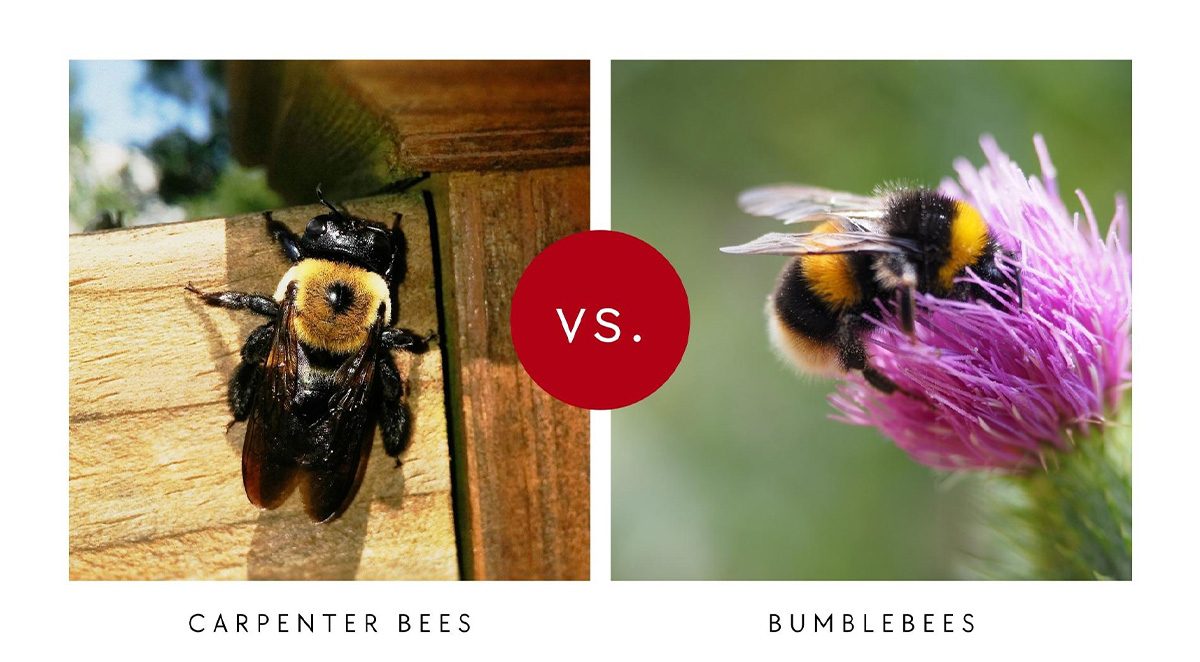
Every spring in North Carolina, as temperatures climb and flowers start blooming, a familiar buzzing returns to porches, decks, and eaves across Wilkes County and the surrounding foothills. For many homeowners, the big question is the same: is that a bumblebee, or is it a carpenter bee? The answer matters more than most people realize, because while both are valuable pollinators worthy of respect, only one has a habit of boring into the wood of your home and causing structural damage over time.

If you're buying or selling a home in North Carolina, South Carolina, or Virginia, there's a good chance someone has mentioned a Wood Destroying Insect Report at some point in the process. Maybe your lender required one. Maybe your real estate agent brought it up. Maybe you've seen the acronym WDIR on a form and wondered what it actually means.
A WDIR is one of the most important and most misunderstood inspections in a real estate transaction. Homeowners in Wilkes County, Yadkin County, and across the NC foothills deal with some of the highest termite pressure in the region, which makes understanding this report more than just a closing formality. Whether you're buying, selling, or refinancing, here's what you actually need to know.
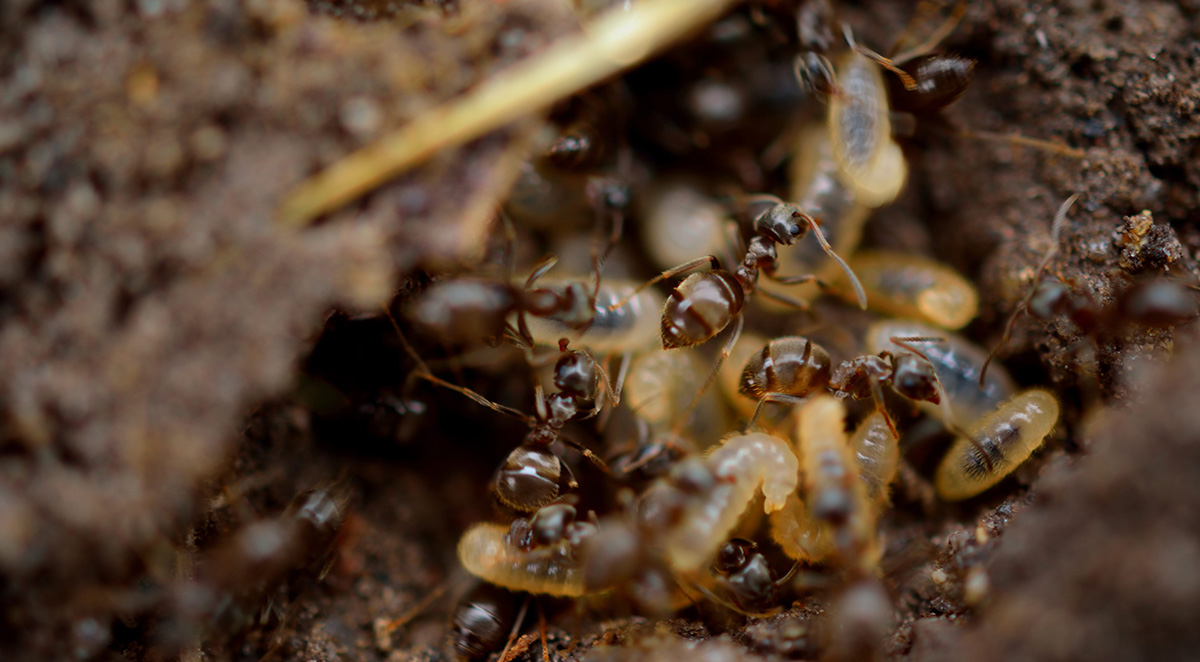
Of all the pests that can take up residence in a North Carolina home, subterranean termites are the most financially destructive. They work silently, they work constantly, and by the time most homeowners know they have a problem, the damage has already been accumulating for years. In Wilkes County, Yadkin County, and across the NC Piedmont and foothills, the eastern subterranean termite is active year-round, feeding on the structural wood of homes, crawl spaces, outbuildings, and decks without ever announcing its presence.
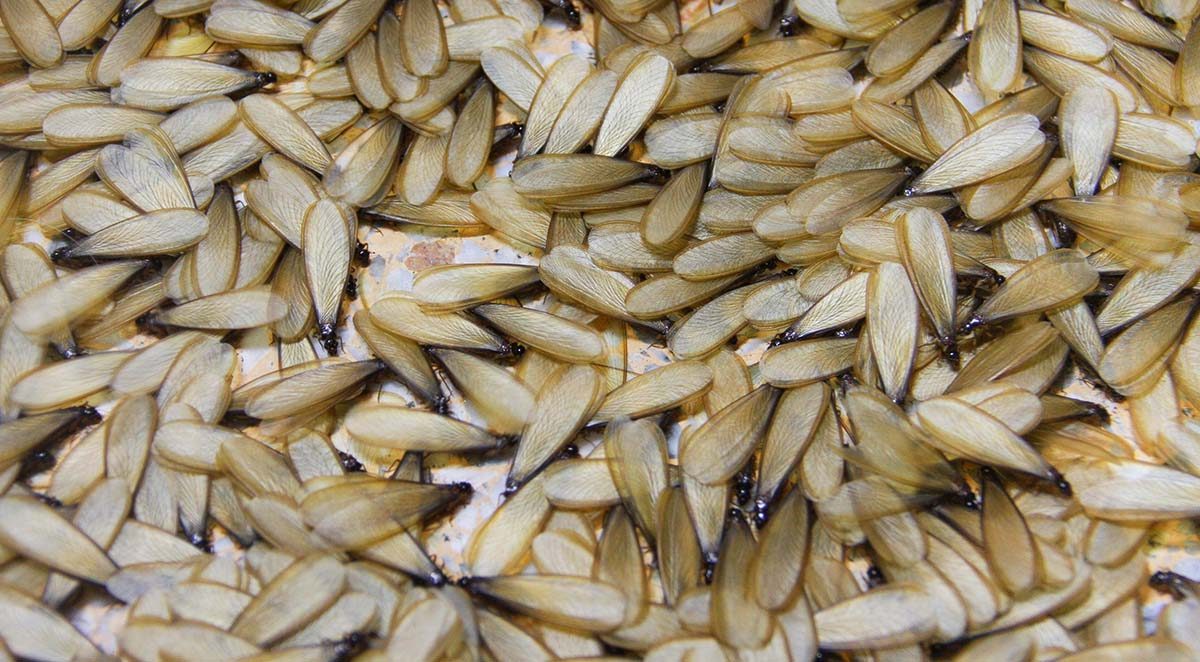
Every spring, homeowners across North Carolina encounter the same startling scene: a sudden cloud of winged insects emerging from the ground, a wall, or a window frame, filling the air briefly before disappearing just as quickly as they came. For many, it's the first sign that termites have been quietly living in or around their property for years.
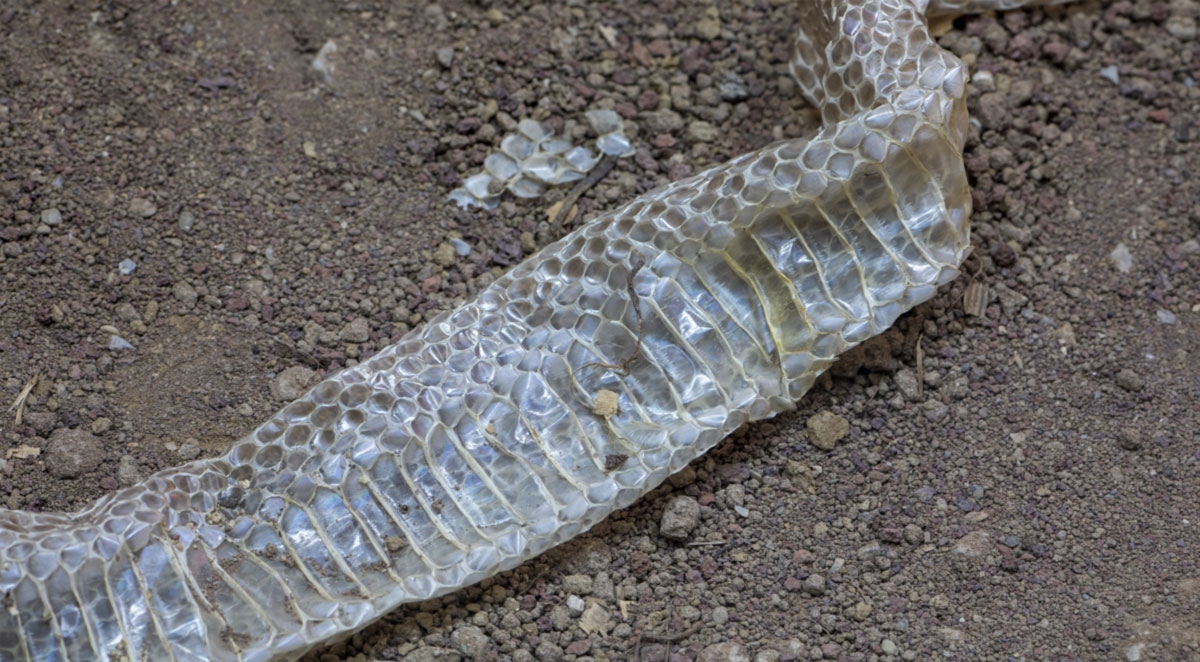
Discovering snakes around your home can be unsettling. While most snake species in North Carolina are harmless and even beneficial for controlling rodent populations, knowing how to identify snake signs helps you stay aware of their presence and take appropriate action when necessary. Understanding snake detection methods allows you to coexist safely with these reptiles while protecting your family and pets from potential encounters.

If you've recently found evidence of termites, or you're looking to get ahead of the problem before it starts, one of the first questions your pest control technician will discuss with you is treatment method. Two options dominate professional termite control today: liquid termiticide treatments and termite bait systems. Both work. Both are used by licensed professionals throughout North Carolina. But they work differently, they suit different situations, and understanding the distinction can help you have a more informed conversation when it's time to protect your home.

As you plan your household budget for 2026, you're likely considering essential expenses like utilities, insurance, and home maintenance. But have you included professional pest control in your financial planning? Many homeowners overlook this critical investment until they face an emergency infestation, resulting in unexpected expenses that far exceed the cost of preventive pest control. Understanding how annual pest control fits into your overall home maintenance strategy can help you make informed decisions that protect both your property and your wallet.

When you flip on the lights at night and catch a glimpse of something scurrying away, you're witnessing just a tiny fraction of the pest activity happening in your home. The reality is that most pests are masters of concealment, hiding in places you'd never think to look. Understanding where bugs hide in your home is essential for effective pest prevention and maintaining a healthy living environment.
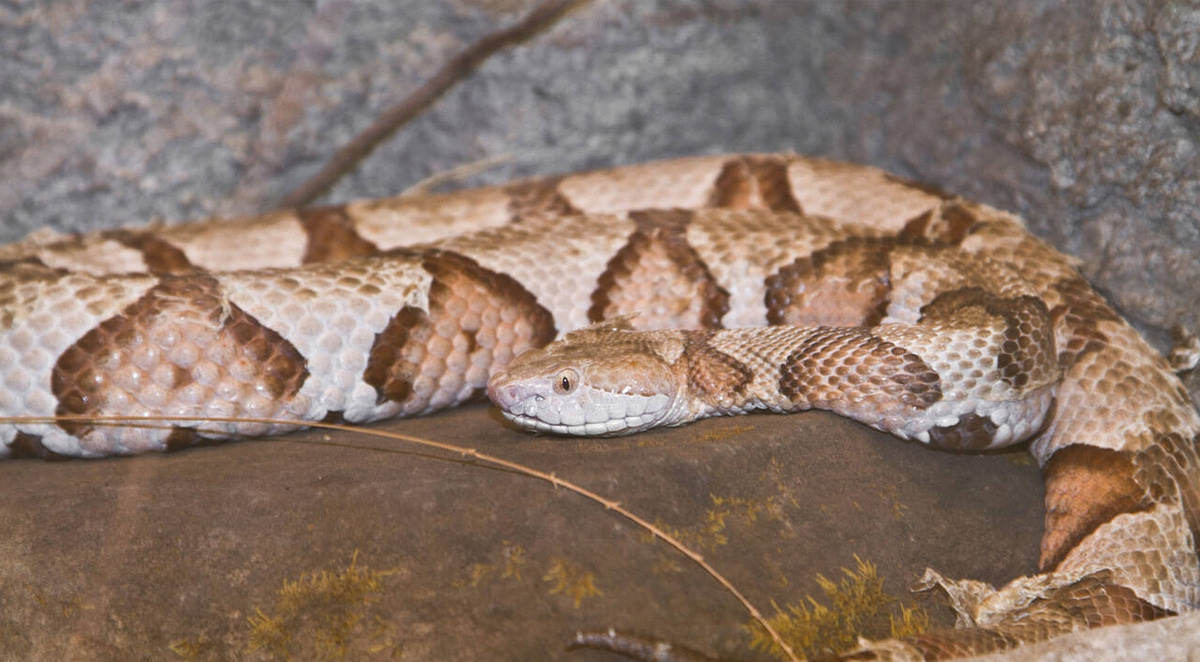
When it comes to snake prevention, the best approach is making your property as unattractive as possible to these unwanted visitors. While snakes play an important role in controlling rodent populations, most homeowners prefer to keep them at a respectful distance. By implementing strategic snake proofing measures and maintaining your yard properly, you can significantly reduce the likelihood of encountering these reptiles on your property.
What Attracts Snakes to Your Property?
Snakes don't randomly choose properties to inhabit. They're drawn to specific conditions that meet their survival needs. Food sources top the list, with rodents, insects, and small animals serving as primary attractions. If your property has a thriving population of mice, rats, or other small creatures, snakes will inevitably follow.
Shelter opportunities also play a crucial role in snake attraction. These reptiles prefer areas where they can hide from predators and extreme weather conditions. Common hiding spots include:
- Woodpiles and brush heaps
- Overgrown vegetation and tall grass
- Rock walls and stone foundations
- Compost bins and mulch piles
- Storage sheds and crawl spaces
- Gaps under decks and porches
Water sources complete the triangle of snake attraction. Consistent moisture from leaky pipes, pet water bowls, birdbaths, or poor drainage creates an environment that supports both snakes and their prey. Even small amounts of standing water can make your property more attractive to these reptiles.
Learn how to identify venomous snakes in North Carolina in our Blog post.
Essential Yard Maintenance for Snake Prevention
Proper yard maintenance forms the foundation of effective snake proofing. Regular upkeep eliminates many of the conditions that make your property attractive to snakes while creating an environment that feels unsafe and exposed to these security-conscious creatures.
Grass and Vegetation Management
Maintaining short grass is one of the most effective snake deterrent strategies you can employ. Snakes feel vulnerable in open, exposed areas and prefer tall grass where they can move unseen. Keep your lawn mowed to a height of three inches or less, paying particular attention to areas near your home's foundation.
Trim shrubs and bushes regularly, ensuring they don't create dense hiding spots near your home. When pruning, maintain at least six inches of clearance between vegetation and your house. This gap eliminates convenient hiding spots and makes it more difficult for snakes to access potential entry points.
Remove weeds and overgrown vegetation promptly, as these create the perfect snake habitat. Focus particularly on areas around:
- Foundation walls
- Garden borders
- Property lines
- Storage areas
- Water features
Debris and Clutter Elimination
Woodpiles present a significant attraction for snakes, providing both shelter and hunting grounds for rodent prey. If you must store firewood, keep it at least 30 feet from your home and elevate it 18 inches off the ground using metal racks. This elevation makes the woodpile less attractive to rodents and, consequently, less appealing to snakes.
Remove brush piles, leaf accumulations, and yard debris regularly. These materials create ideal snake habitats and should be cleared as soon as possible. Consider composting yard waste in enclosed bins rather than creating open piles that attract both snakes and their prey.
Store garden tools, equipment, and outdoor furniture properly to eliminate hiding spots. Items left scattered around your yard create numerous opportunities for snakes to find shelter. Organize storage areas and keep them clean and clutter-free.
Check out all the ways to make your property unattractive to snakes in our Blog.
Strategic Landscaping for Snake Prevention
Thoughtful landscaping choices can create a natural barrier against snake intrusion while maintaining an attractive outdoor space. The key lies in selecting plants and design elements that work against snake preferences rather than accommodating them.
Plant Selection and Placement
Choose plants that don't provide ground-level hiding opportunities. Ornamental grasses and dense shrubs at ground level create perfect snake habitats. Instead, opt for:
- Trees with high canopies that don't touch the ground
- Spaced plantings that don't create continuous cover
- Plants with stiff, upright growth patterns
- Ground covers that don't create thick mats
When designing garden beds, create open spaces between plantings. Continuous vegetation coverage allows snakes to move unseen across your property. Breaking up this coverage with pathways, decorative stones, or open mulched areas makes snakes feel exposed and encourages them to seek shelter elsewhere.
Consider the mature size of plants when planning your landscape. What starts as small, manageable plantings can grow into dense snake habitat if not properly planned and maintained.
Hardscaping Elements
Incorporate hardscaping elements that discourage snake presence. Smooth surfaces like concrete, brick, and stone provide no hiding opportunities and feel uncomfortable for snake movement. Use these materials for:
- Pathways and walkways
- Patio and deck surfaces
- Garden borders and edging
- Foundation landscaping
Gravel can serve as an effective snake deterrent when used properly. The irregular shapes and shifting nature of gravel make movement uncomfortable for snakes. Apply a 3-inch layer of sharp, angular gravel around your home's perimeter to create a natural barrier.
Physical Barriers and Home Modifications
Creating physical barriers represents one of the most reliable approaches to snake proofing your property. These modifications address entry points and create obstacles that make snake access difficult or impossible.
Foundation and Entry Point Sealing
Inspect your home's foundation thoroughly for cracks, gaps, and openings. Snakes can squeeze through surprisingly small spaces, so seal any opening larger than a quarter-inch. Use appropriate materials for different situations:
- Concrete cracks: Hydraulic cement or concrete crack filler
- Small gaps: Expanding foam or caulk
- Larger openings: Hardware cloth or metal screening
- Crawl space vents: Fine mesh screening
Pay special attention to areas where utilities enter your home. Pipes, cables, and conduits often create gaps that provide easy access for snakes. Use spray foam or specialized sealants designed for these applications.
Check and maintain door and window seals regularly. Worn weatherstripping creates entry opportunities not just for snakes, but for the rodents they hunt. Replace damaged seals promptly to maintain an effective barrier.
Fencing Considerations
While traditional fencing may not stop snakes, specific modifications can improve its effectiveness. Install fine mesh screening along existing fence lines, burying it 6 inches deep and extending it 2 feet above ground. The mesh should have openings no larger than 1/4 inch.
Consider snake-proof fencing for areas requiring maximum protection. This specialized fencing features smooth surfaces and specific angles designed to prevent snake climbing. While more expensive than traditional options, it provides superior protection for valuable areas like vegetable gardens or children's play spaces.
Water Management and Drainage Solutions
Proper water management eliminates one of the three primary attractants for snakes while also reducing conditions that support their prey species. Effective drainage and moisture control create an environment that's less hospitable to the entire ecosystem that supports snake populations.
Eliminating Standing Water
Identify and eliminate all sources of standing water on your property. Common problem areas include:
- Clogged gutters and downspouts
- Low-lying areas with poor drainage
- Flower pot saucers and containers
- Pet water bowls left outdoors
- Birdbaths and decorative water features
- Leaking outdoor faucets and irrigation systems
Install proper drainage solutions for areas that consistently collect water. French drains, drainage channels, and improved grading can redirect water away from your home and eliminate pooling problems.
Irrigation and Maintenance
Adjust irrigation systems to minimize excess moisture. Overwatering creates conditions that attract both snakes and their prey. Use drip irrigation or soaker hoses instead of sprinklers when possible, as these deliver water directly to plant roots without creating surface moisture.
Time irrigation schedules to allow soil to dry between watering sessions. Morning watering allows excess moisture to evaporate during the day, reducing nighttime humidity that creates favorable conditions for snake activity.
Repair leaky pipes, faucets, and irrigation components promptly. Even small leaks can create attractive conditions for snakes and their prey over time.
Controlling Food Sources
Eliminating food sources represents a crucial component of comprehensive snake prevention. When prey species find your property inhospitable, snakes will naturally seek more productive hunting grounds elsewhere.
Rodent Control Strategies
Implement comprehensive rodent control measures to eliminate the primary food source for most snake species. This multi-faceted approach should include:
- Secure food storage in rodent-proof containers
- Prompt cleanup of spilled bird seed and pet food
- Regular inspection and sealing of potential entry points
- Strategic placement of rodent control devices
- Elimination of nesting materials and shelter opportunities
Pet food requires special attention, as it's a primary attractant for rodents. Store all pet food in sealed metal or plastic containers, and never leave food bowls outside overnight. Clean up spilled food immediately and store bags of food in secure areas.
Bird feeders can inadvertently attract rodents through spilled seeds. If you choose to maintain bird feeders, use designs that minimize spillage and clean the area beneath feeders regularly. Consider suspending feeders away from areas where spilled seed can create rodent feeding opportunities.
Insect Management
Many snake species also feed on insects and other invertebrates. Comprehensive pest management reduces these food sources while addressing the underlying conditions that support diverse pest populations.
Reduce outdoor lighting that attracts insects, or switch to yellow or sodium vapor lights that are less attractive to flying insects. Position necessary lighting away from your home to draw insects away from areas where snakes might hunt.
Maintain proper sanitation to eliminate conditions that support insect populations. This includes prompt garbage disposal, compost management, and elimination of organic debris that creates breeding opportunities.
Frequently Asked Questions
What are the most effective natural snake deterrents?
The most effective natural deterrents involve habitat modification rather than repellent products. Keeping grass short, eliminating hiding spots, and controlling food sources provide better long-term results than commercial snake repellents, which have limited proven effectiveness.
How often should I inspect my property for snake prevention issues?
Conduct monthly inspections during active seasons (spring through fall) and seasonal inspections during winter months. Focus on foundation areas, storage spaces, and landscaping elements that might harbor snakes or their prey.
Can mulch attract snakes to my landscaping?
Thick organic mulches can provide hiding opportunities for both snakes and their prey. If using mulch, keep it thin (2 inches or less) and maintain clear spaces around your home's foundation.
What should I do if I find a snake on my property?
Don't attempt to handle or remove the snake yourself. Most snakes are non-venomous and beneficial, but proper identification requires expertise. Contact a professional wildlife control service for safe removal and identification.
How can I tell if snakes are active on my property?
Look for shed snake skins, snake tracks in soft soil or sand, and evidence of increased rodent activity. Snakes typically follow established travel routes, so evidence often appears in the same locations repeatedly.
Conclusion
Creating an environment that's unfriendly to snakes requires consistent effort and a comprehensive approach addressing the fundamental factors that attract these reptiles. Through strategic yard maintenance, thoughtful landscaping, physical modifications, and ongoing vigilance, you can significantly reduce the likelihood of snake encounters on your property.
For persistent snake problems or questions about specific prevention strategies, don't hesitate to contact our professional team. Our experienced technicians can provide customized solutions based on your property's unique characteristics and local snake species, helping you maintain a safe and comfortable outdoor environment for your family.

Termites may be small, but they pack a destructive punch when they invade your home. Often called "silent destroyers," these pests can cause extensive damage to your property before you even realize they're there. According to industry estimates, termites cause billions of dollars in structural damage annually in the United States, and most of this damage isn't covered by homeowner's insurance.
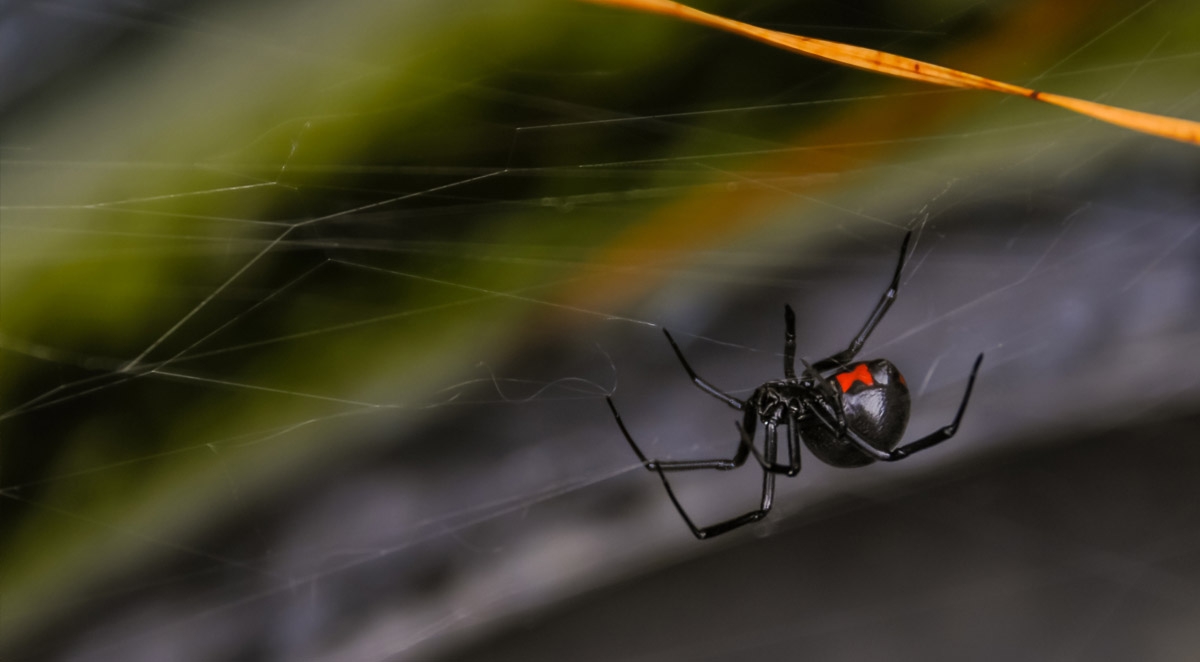
As Halloween decorations start appearing on porches across North Carolina, South Carolina, and Virginia, there's one spooky element that most homeowners don't want inside their homes: real spiders. While plastic arachnids might add to your holiday decor, finding actual eight-legged visitors can turn your home into what feels like a genuine haunted house.
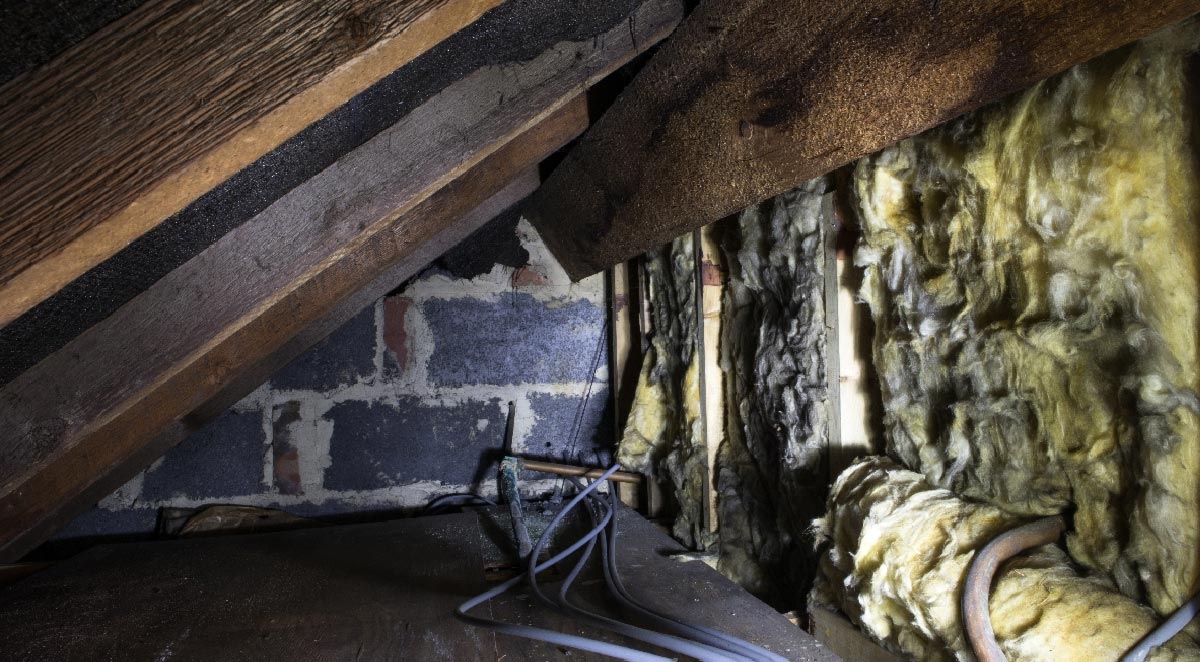
Your attic is more than just a storage space—it's a potential haven for numerous pests seeking shelter, warmth, and a place to nest. Many homeowners rarely venture into their attics, making these spaces perfect hideouts for unwanted guests. Without regular attic inspections, pests can cause significant damage to your home's structure, insulation, and even pose health risks to your family.
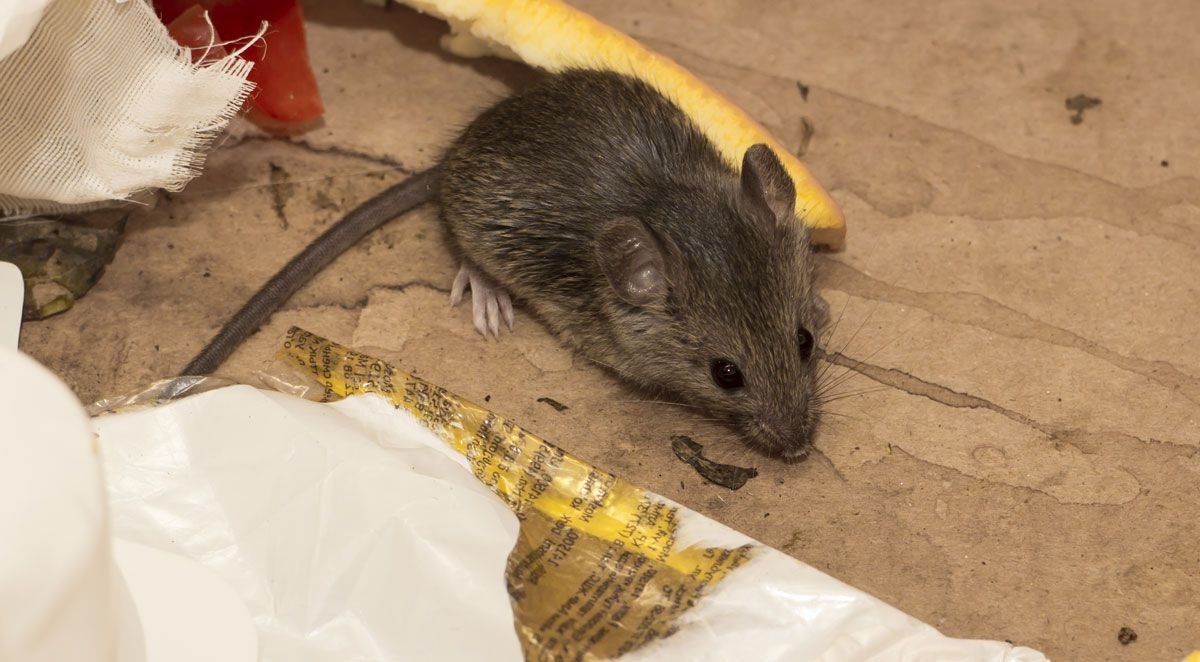
As temperatures drop and winter approaches, homeowners across North Carolina, South Carolina, and Virginia may begin to notice increased rodent activity inside their homes. Many wonder if these unwelcome guests are simply seeking shelter or actually hibernating for the winter. Understanding rodent behavior during colder months is crucial for effective prevention and control measures.
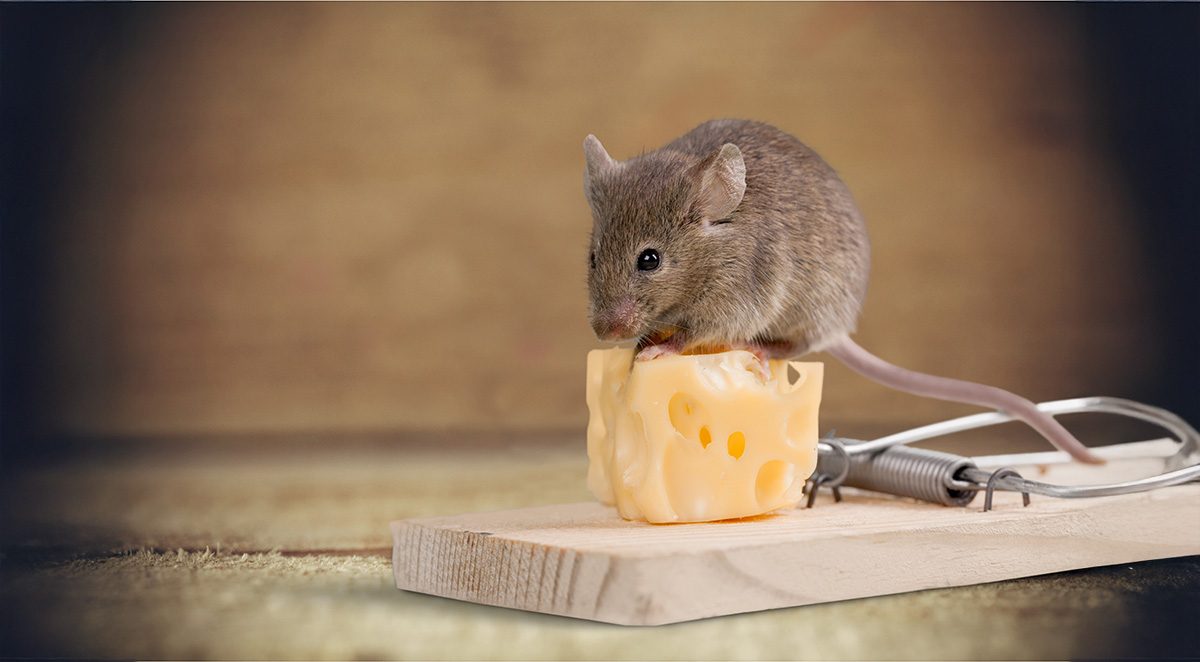
Despite their portrayal as lovable characters in children's entertainment, mice pose significant problems when they invade our homes and businesses. Beyond the natural aversion many people feel toward these small rodents, they present legitimate health concerns by carrying and transmitting diseases such as hantavirus, salmonellosis, and listeria through their droppings, urine, saliva, and nesting materials.
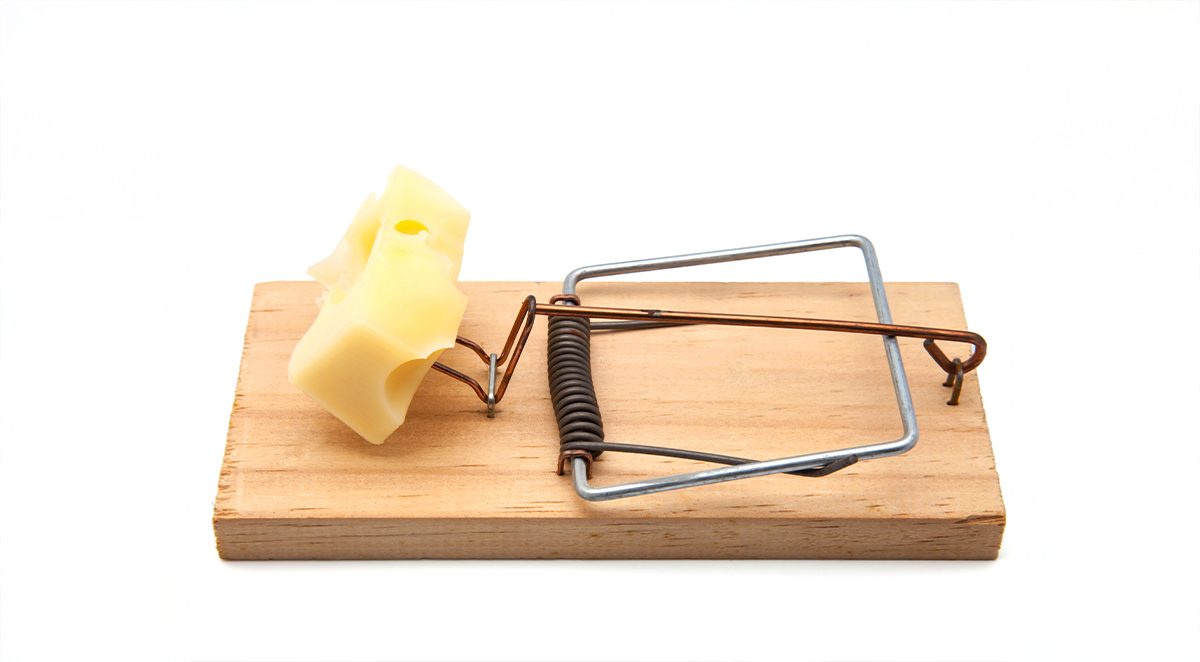
That tiny mouse scurrying across your floor might seem harmless—perhaps even cute to some—but don't let its diminutive size fool you. Mice infestations represent serious threats to both property and health. Beyond Disney characterizations and cartoon depictions, real-world mice create genuine problems that require professional attention and comprehensive solutions.

Arachnophobia is more than just the title of a popular '90s horror film—it's one of the most common phobias worldwide. Recent studies suggest that up to 75% of people experience at least some level of anxiety or fear when encountering spiders. Even if you don't have a full-blown phobia, chances are you're among the majority who feel uneasy when spotting an eight-legged visitor in your home.
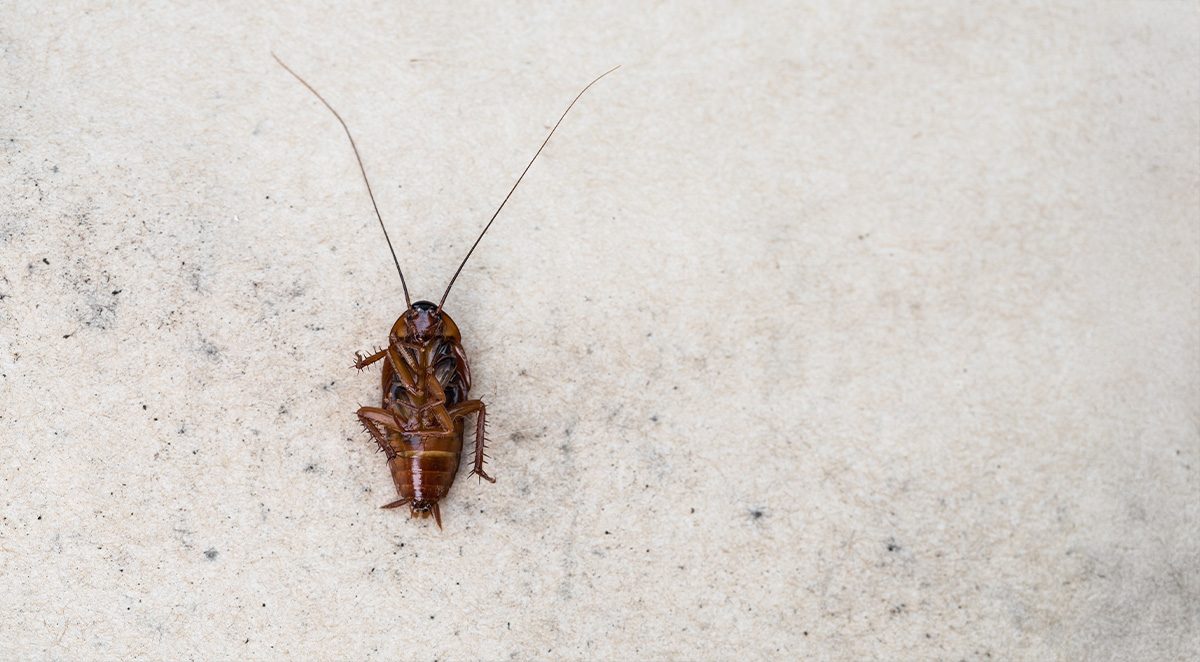
The Carolinas and Virginia offer an idyllic setting for enjoying outdoor activities, exploring lush landscapes, and basking in the warm sunshine during summer months. However, this beautiful region also experiences significant seasonal weather events that can dramatically impact both our environment and pest populations. Tropical storms and hurricanes bring more than just wind and rain—they create perfect conditions for pest infestations that can plague homeowners for weeks or even months following severe weather.
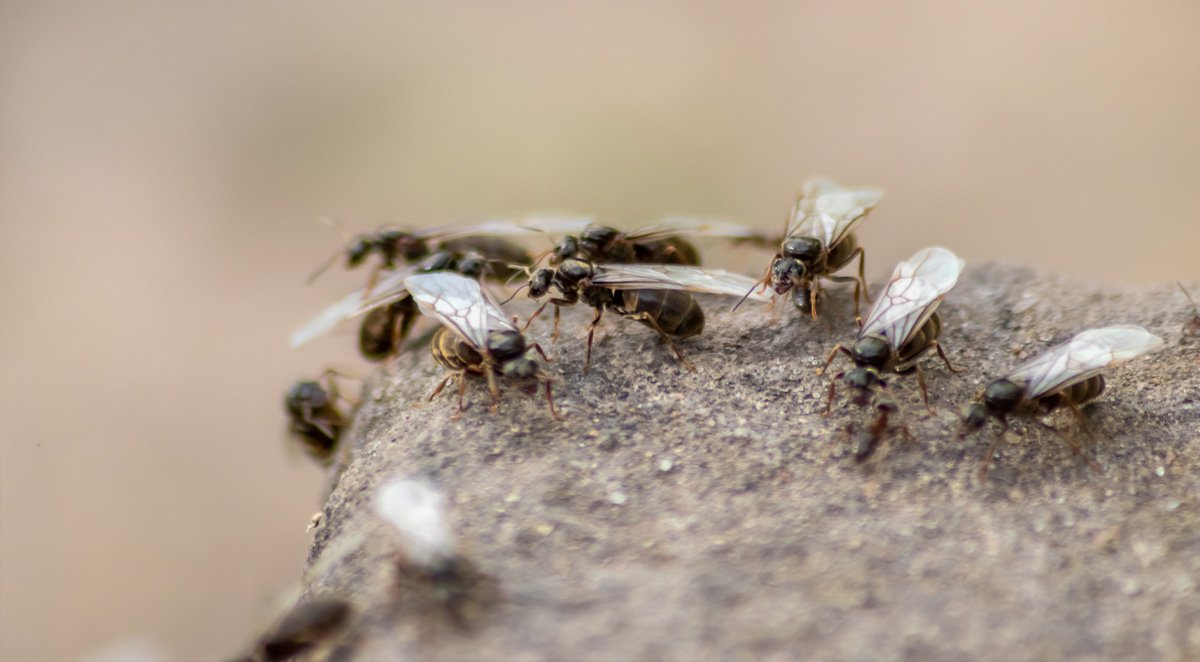
Have you ever experienced a sudden appearance of winged insects in your home, leaving you wondering if you're dealing with termites or some other pest? If these winged invaders have a narrow waist and bent antennae, you're likely facing flying ants. While not as structurally damaging as termites, flying ants indicate a mature ant colony nearby, which warrants immediate attention.