
Rid-a-Bug Exterminating Blog
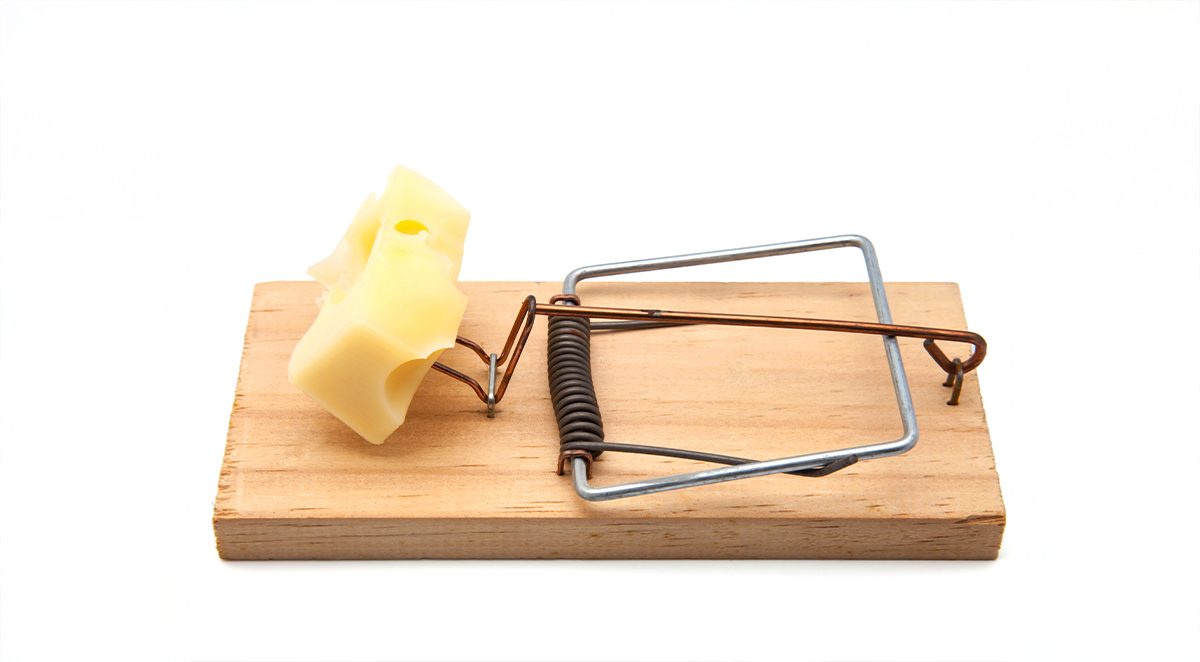
That tiny mouse scurrying across your floor might seem harmless—perhaps even cute to some—but don't let its diminutive size fool you. Mice infestations represent serious threats to both property and health. Beyond Disney characterizations and cartoon depictions, real-world mice create genuine problems that require professional attention and comprehensive solutions.

Arachnophobia is more than just the title of a popular '90s horror film—it's one of the most common phobias worldwide. Recent studies suggest that up to 75% of people experience at least some level of anxiety or fear when encountering spiders. Even if you don't have a full-blown phobia, chances are you're among the majority who feel uneasy when spotting an eight-legged visitor in your home.
The Carolinas and Virginia offer an idyllic setting for enjoying outdoor activities, exploring lush landscapes, and basking in the warm sunshine during summer months. However, this beautiful region also experiences significant seasonal weather events that can dramatically impact both our environment and pest populations. Tropical storms and hurricanes bring more than just wind and rain—they create perfect conditions for pest infestations that can plague homeowners for weeks or even months following severe weather.
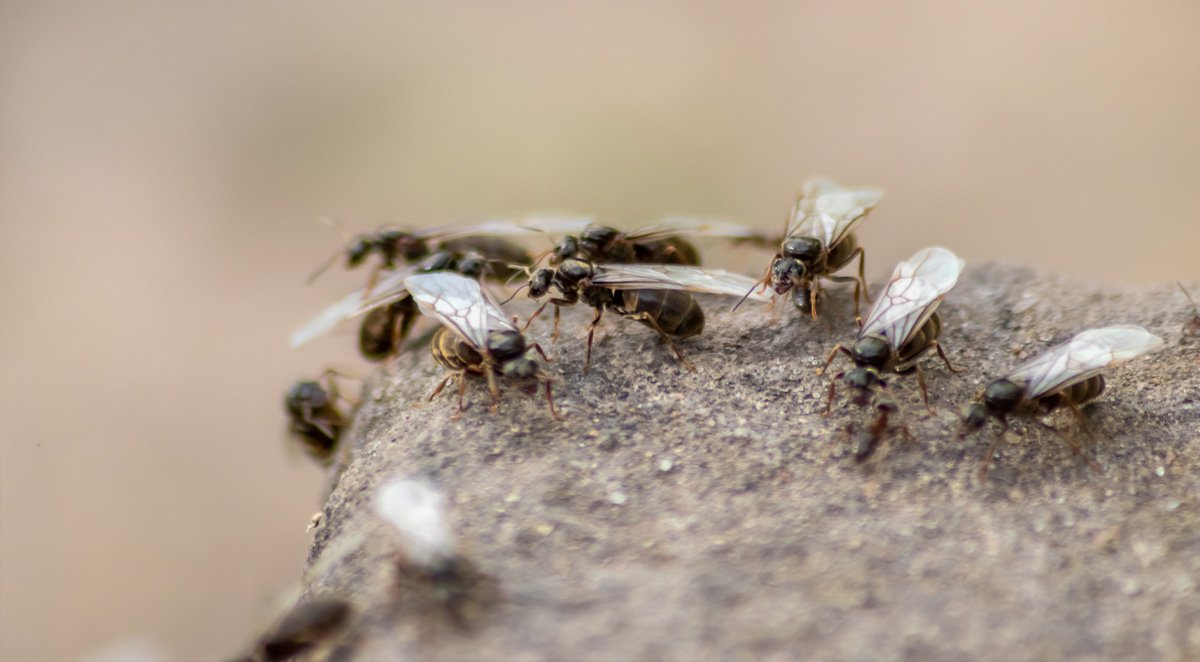
Have you ever experienced a sudden appearance of winged insects in your home, leaving you wondering if you're dealing with termites or some other pest? If these winged invaders have a narrow waist and bent antennae, you're likely facing flying ants. While not as structurally damaging as termites, flying ants indicate a mature ant colony nearby, which warrants immediate attention.
Summer in the Carolinas and Virginia brings warm sunshine, afternoon thunderstorms, and vibrant greenery. Unfortunately, these pleasant conditions also create the perfect environment for unwanted guests to thrive. As temperatures rise, pest activity increases dramatically, and many homeowners find themselves dealing with infestations that seemed nonexistent during the cooler months.
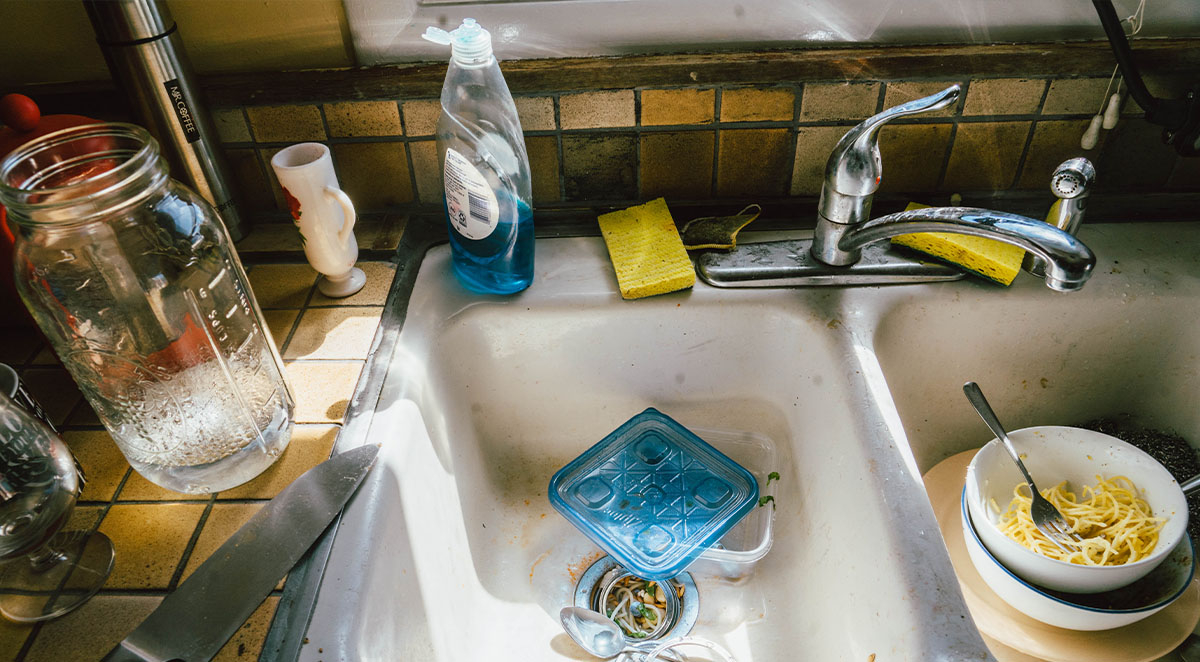
No homeowner sets out to roll out the red carpet for uninvited guests, yet millions of households across North Carolina, South Carolina, and Virginia unknowingly create perfect conditions for pest infestations every day.
At Rid-A-Bug Exterminating, we've been helping families identify and eliminate these pest attraction factors since 1972, and we've learned that most pest problems start with simple, fixable issues that homeowners don't realize they have.
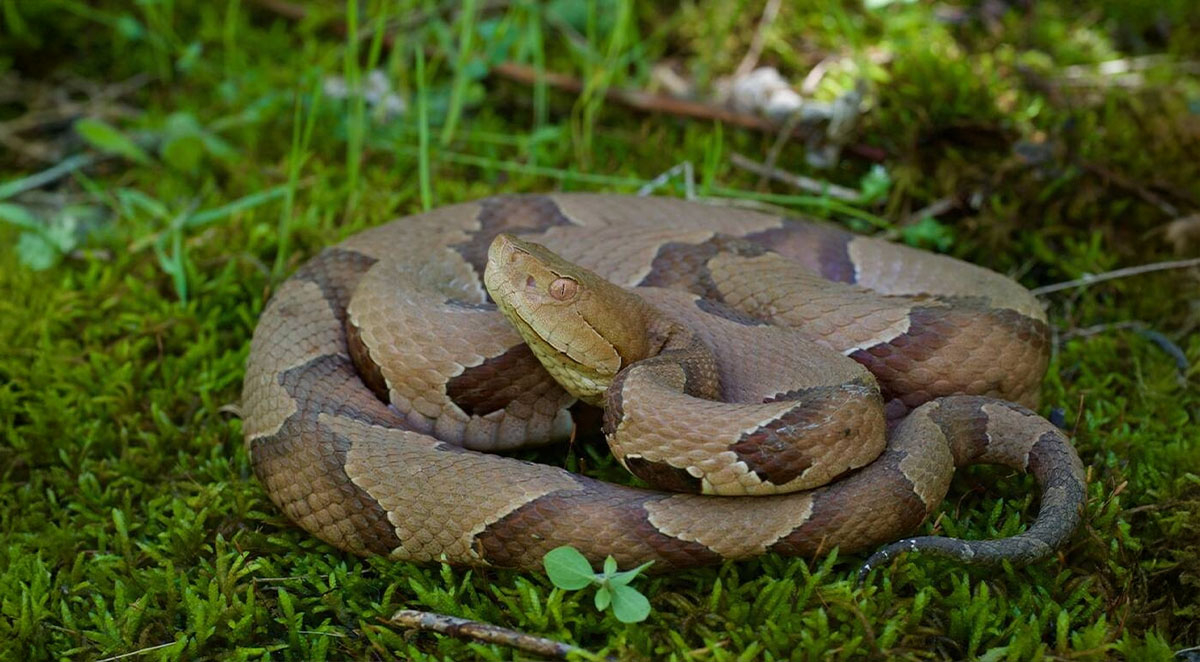
Ophidiophobia – the fear of snakes – affects approximately one-third of the population, and if you live in North Carolina, that fear might feel completely justified. While most snakes you encounter in our state are harmless, knowing how to identify the venomous species could literally save your life or that of a family member.
At Rid-A-Bug Exterminating, we've been helping North Carolina residents deal with wildlife encounters safely since 1972, and snake identification and removal remains one of our most critical services.
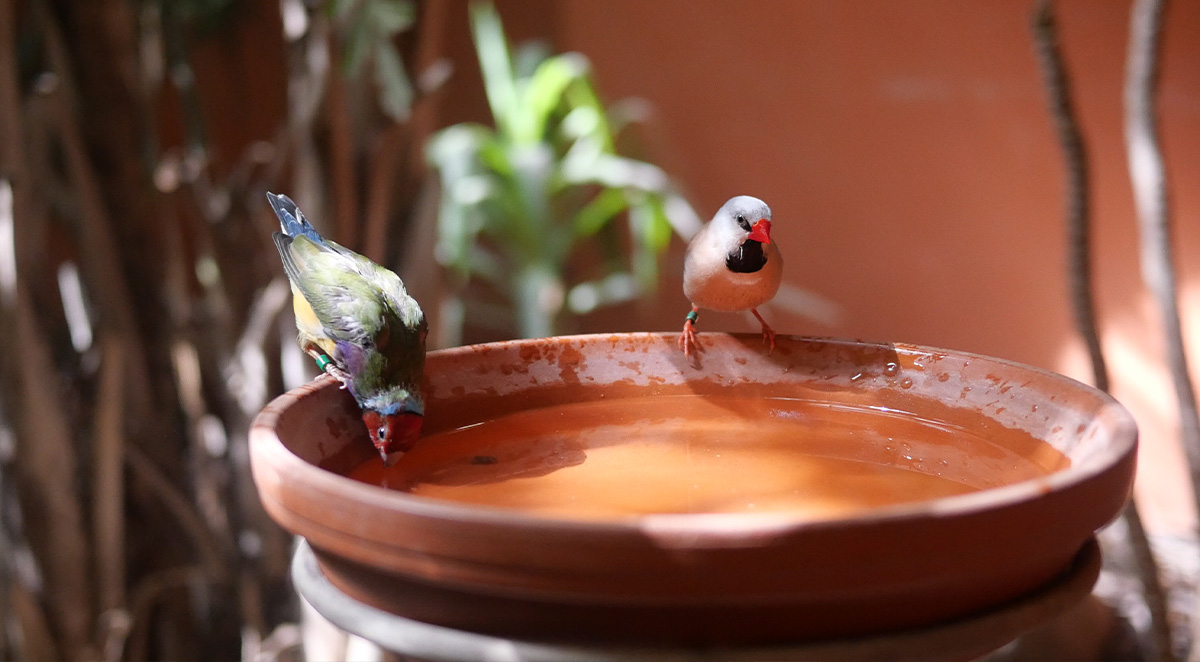
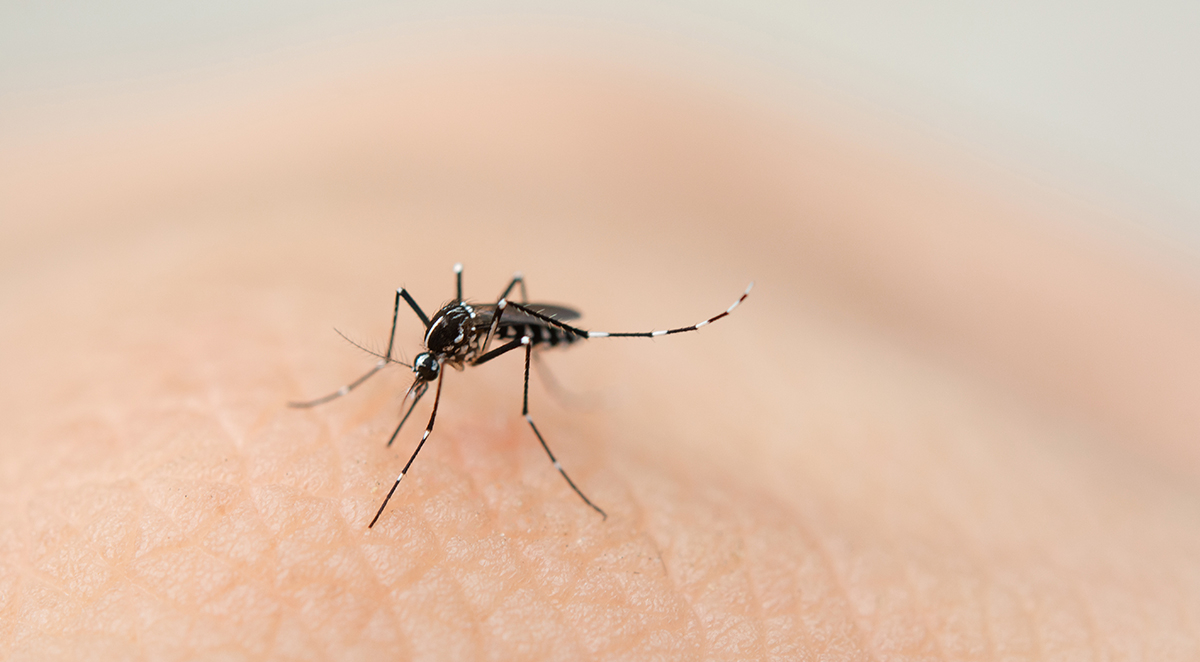
Picture this: you've planned the perfect summer evening on your deck, the grill is fired up, and your family is ready to enjoy some quality outdoor time. Then they arrive – those uninvited guests that turn your peaceful gathering into a slapping, swatting nightmare. Mosquitoes have a talent for transforming the most enjoyable outdoor moments into exercises in frustration.

Have you noticed tiny invaders marching across your countertops or gathering near damp areas of your home? Ant infestations are among the most common pest problems homeowners face across North Carolina, South Carolina, and Virginia. However, not all ants are created equal, and proper identification is crucial for effective treatment.

Have you ever returned home to find tiny invaders marching across your kitchen counter? Perhaps you've discovered them swimming in your pet's water bowl or creating intricate trails along your baseboards. These minuscule home invaders—sugar ants and pharaoh ants—are among the most persistent pests homeowners face in North Carolina, South Carolina, and Virginia.

As passionate gardeners know, creating a beautiful flower garden takes dedication, patience, and knowledge. After all your hard work planting, watering, and nurturing your garden, there's nothing more frustrating than discovering pests wreaking havoc on your precious plants. In the Carolinas and Virginia, our warm, humid climate creates perfect conditions for many garden pests to thrive.
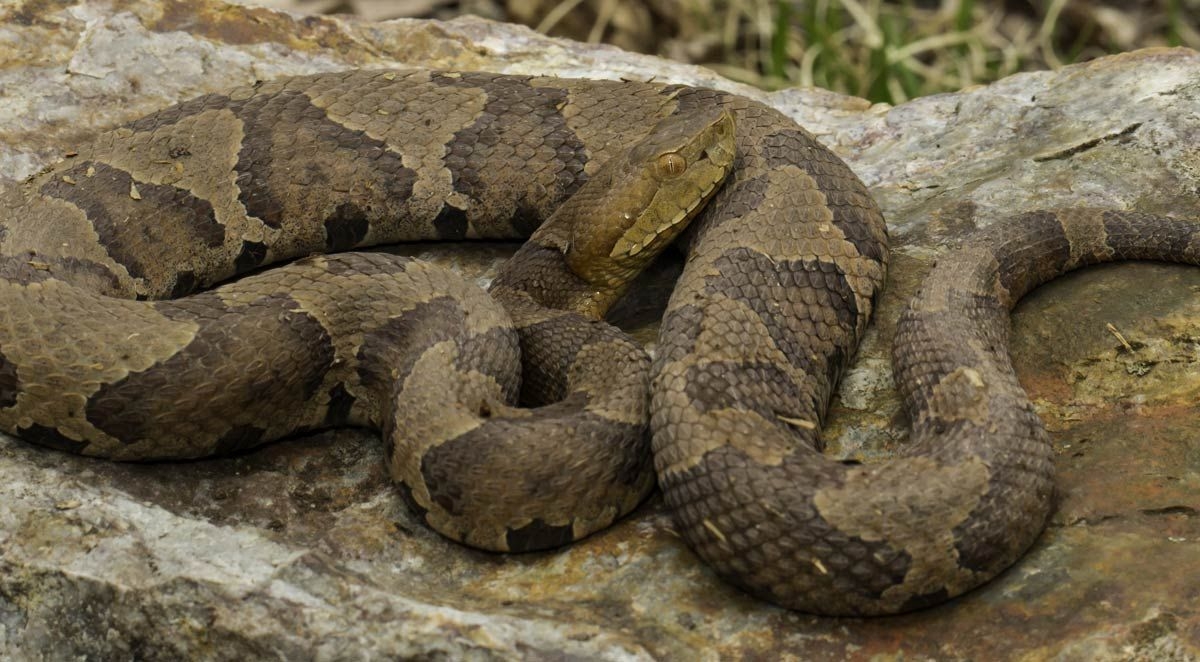
As the temperatures rise and flowers bloom across North Carolina, South Carolina, and Virginia, wildlife activity surges. Spring brings a flurry of animal behavior as creatures emerge from winter dormancy, begin their mating seasons, and search for food and shelter. While our region's diverse wildlife contributes to our rich natural heritage, some animals can create challenges for homeowners when they decide your property looks like prime real estate.

When homeowners in Wilkes County and Yadkin County think about protecting their property's value, they typically focus on kitchen updates, curb appeal, or roof condition. Termites rarely make the list, until they show up in a home inspection report a week before closing. At that point, the conversation changes quickly. Termite damage and termite history are among the most consequential factors in NC real estate transactions, capable of stalling a sale, reducing a final price, or killing a deal entirely when they surface late in the process.

As temperatures rise across North Carolina, South Carolina, and Virginia, our homes and yards face an annual invasion. Spring brings renewal and growth, but also marks the awakening of numerous pest species. After winter dormancy or reduced activity, insects and other unwanted visitors emerge in search of food, water, and shelter – often finding all three in and around our homes.
At Rid-A-Bug, we've been helping homeowners throughout the Carolinas and Virginia manage spring pest problems since 1972. Our pest management professionals have compiled this comprehensive guide to help you identify, prevent, and control the most common spring pests in our region.
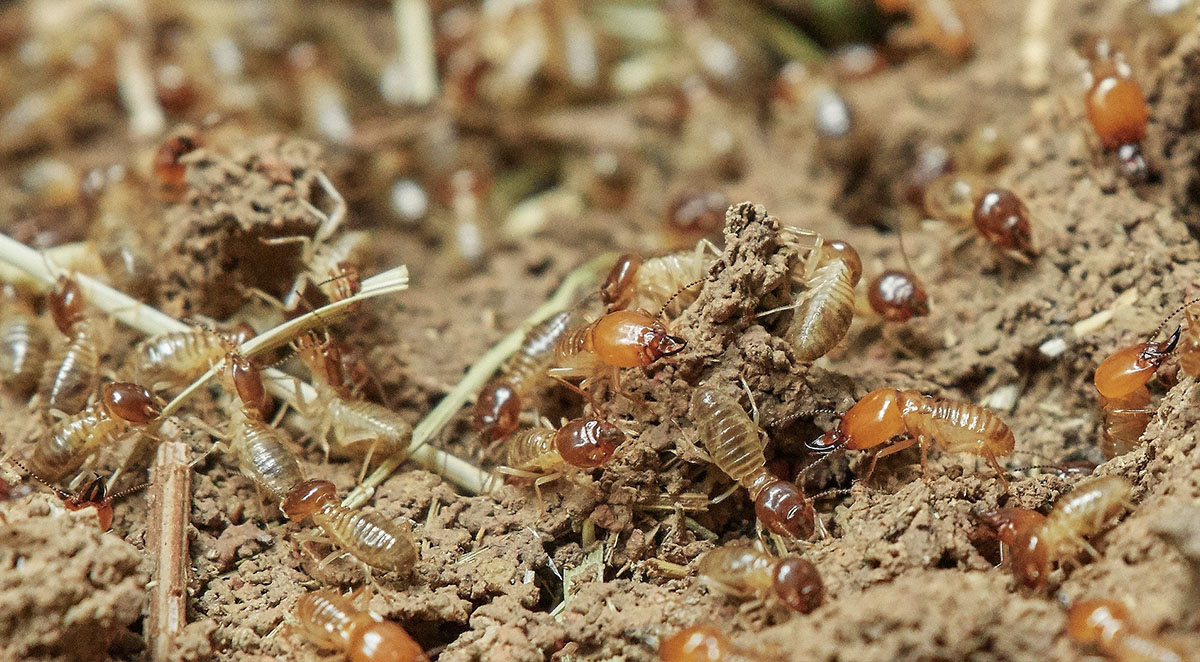
Termites are often called "silent destroyers" for good reason. These small insects can cause extensive damage to homes throughout North Carolina, South Carolina, and Virginia, often working undetected for years before the evidence becomes visible. Homeowners across our region collectively spend millions of dollars annually on termite treatment and repairs from termite damage.
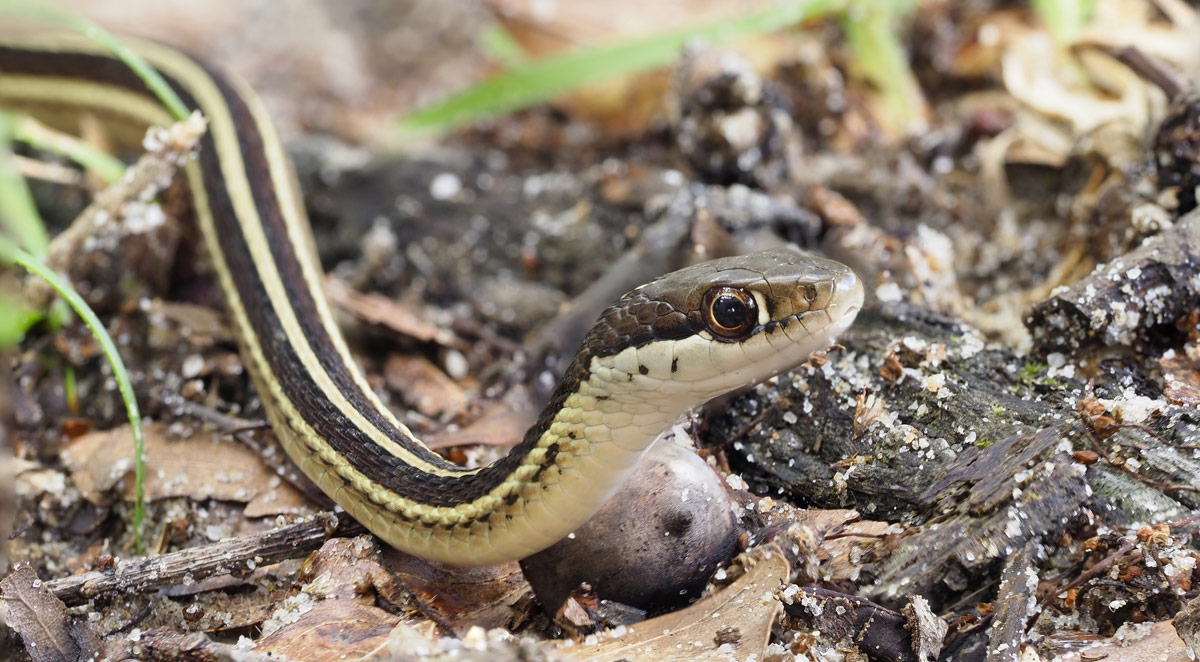
As temperatures rise and outdoor activities increase, many homeowners in North Carolina, Virginia, and South Carolina find themselves wondering about the slithering neighbors that might be sharing their property. Understanding snake habitats is the first step in effective snake prevention and control. While snakes often trigger fear, they play important roles in our ecosystem – but that doesn't mean we want them taking up residence in our yards, gardens, or homes.

Living in the beautiful Appalachian Mountains offers stunning views, peaceful surroundings, and a connection to nature that's hard to find elsewhere. However, mountain homeownership comes with unique challenges, including pest control concerns that differ significantly from those in flatter regions. Termites, in particular, pose special threats to mountain properties in areas like Boone, Blowing Rock, and other mountainous regions throughout North Carolina, Virginia, and South Carolina.
The combination of moisture patterns, temperature variations, construction methods, and the prevalence of wood in mountain homes creates a perfect storm of conditions that termites find attractive. Understanding these unique challenges is the first step toward protecting your mountain investment from these destructive pests.

As awareness of environmental issues continues to grow, many homeowners and businesses are seeking greener, safer alternatives in their daily lives—including pest control. Eco-friendly pest control methods offer a sustainable approach to managing pests, focusing on protecting both people and the planet. However, as with any solution, these methods come with their own set of advantages and challenges.
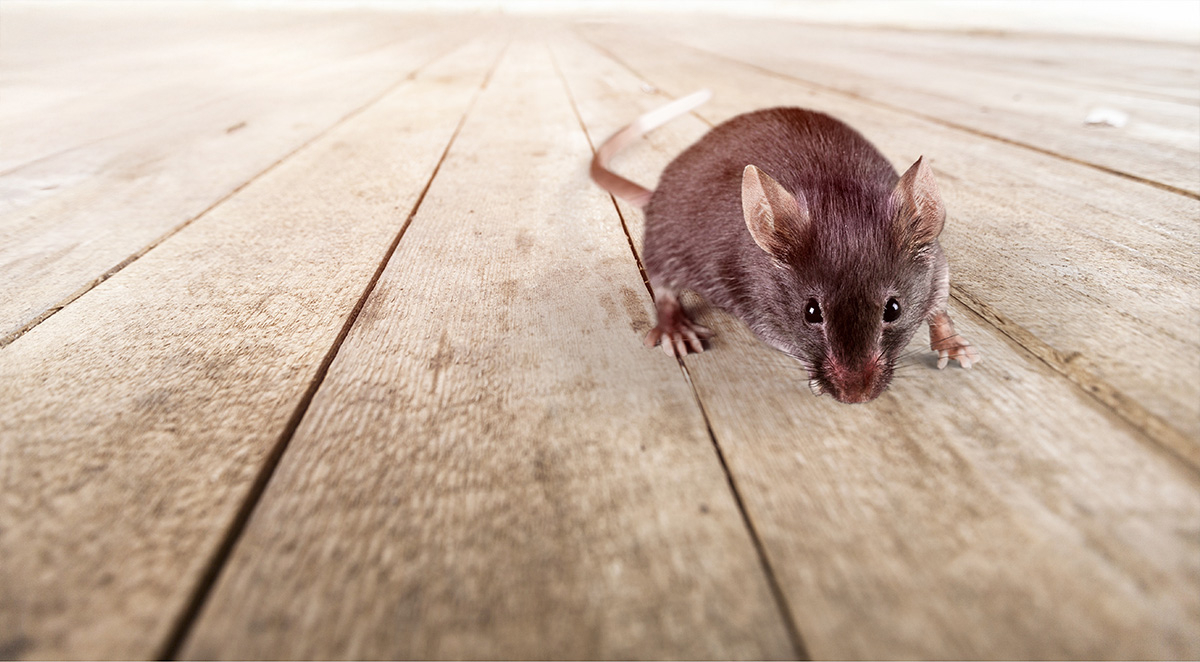
Winter in the Carolinas and Virginia is marked by both mild temperatures and cold snaps. Winter can bring crisp days and chilly nights, especially in the higher elevations of western North Carolina and southwest Virginia.
Snowfall occasionally blankets the landscape, creating a picturesque scene that invites outdoor activities like snowboarding and skiing. However, the winter months also see a mix of rainy and warmer days, allowing for a diverse range of outdoor experiences.
Despite the colder weather, life continues to thrive in our area. The winter months showcase the beauty of evergreen trees, providing a stark contrast to the occasional snowfall. When winter rolls around, many people think their pest problems will magically disappear along with the warmer weather. However, for those living in the Carolinas and southern Virginia, this isn't always the case.
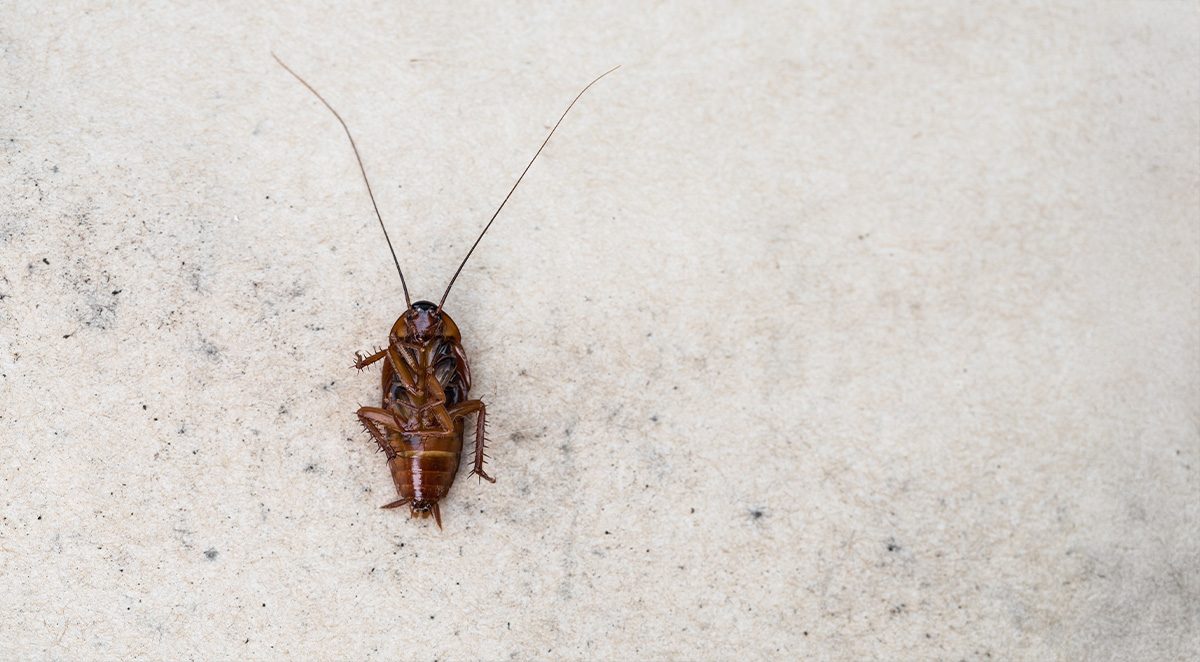
Even as temperatures drop, residents also need to be mindful of the pests that remain active during winter. Homes remain vulnerable to uninvited guests like rodents and cockroaches, making pest management just as crucial as enjoying the outdoor winter activities that the season has to offer.
Many pests are incredibly resilient and manage to survive and even thrive during the winter months. This article explores which pests don't die during winter and how to best protect your home and family from these seasonal nuisances.
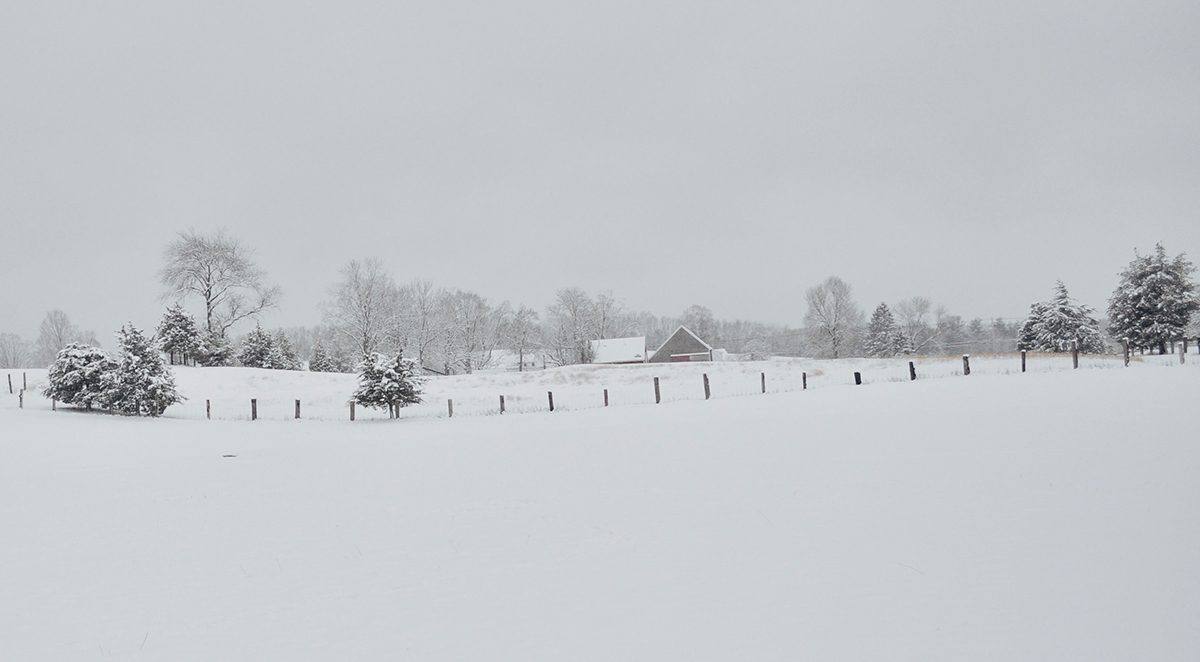
Winter brings colder temperatures, cozy blankets, and warm fires, but it also brings unexpected visitors into your home. While you might think that pests take a break during the colder months, the reality is quite different.
In the Carolinas and southern Virginia, some pests are surprisingly active even in the dead of winter. These pests seek warmth, food, and shelter, and your home can provide the perfect haven for them. This detailed guide will help you identify which pests are likely to pay a visit during the winter months, why they may pose a problem, and how to deal with them effectively.
Let’s dive into the hidden dangers winter may bring into your home and explore the unwanted critters that could be lurking around your cozy environment.
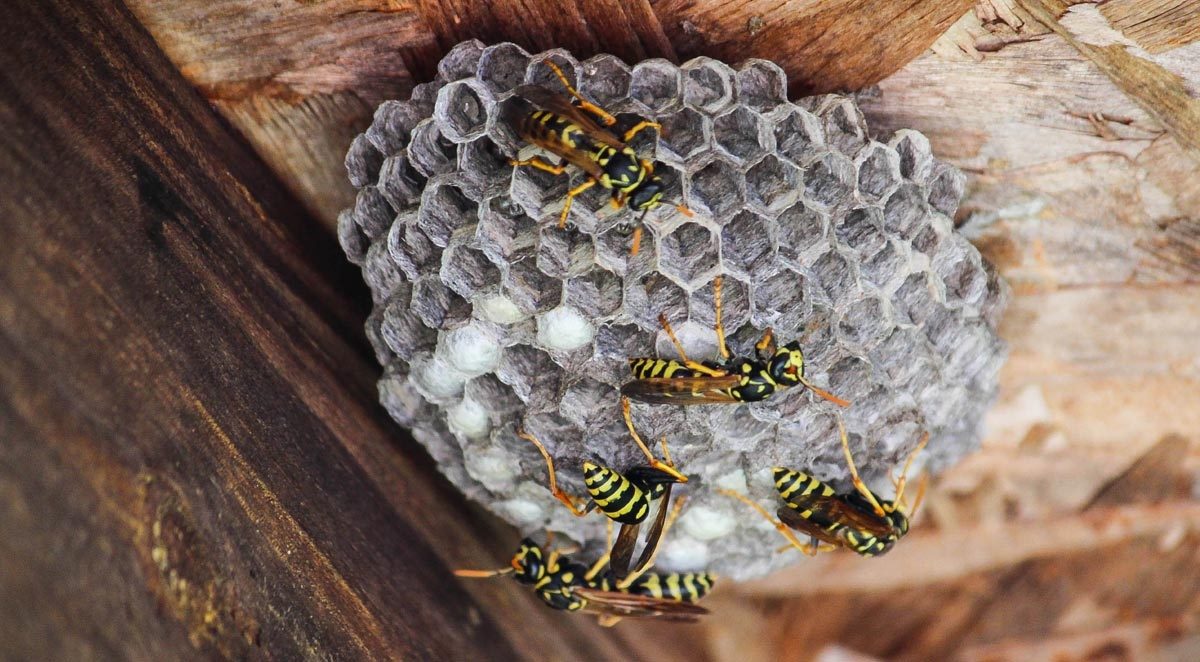
A wasp here or there isn’t going to pose a problem. On the other hand, a whole colony can be unsafe, especially if a member of your household is allergic or you have small children or pets. They are among the most common summer pests and can pose a problem from February to winter.
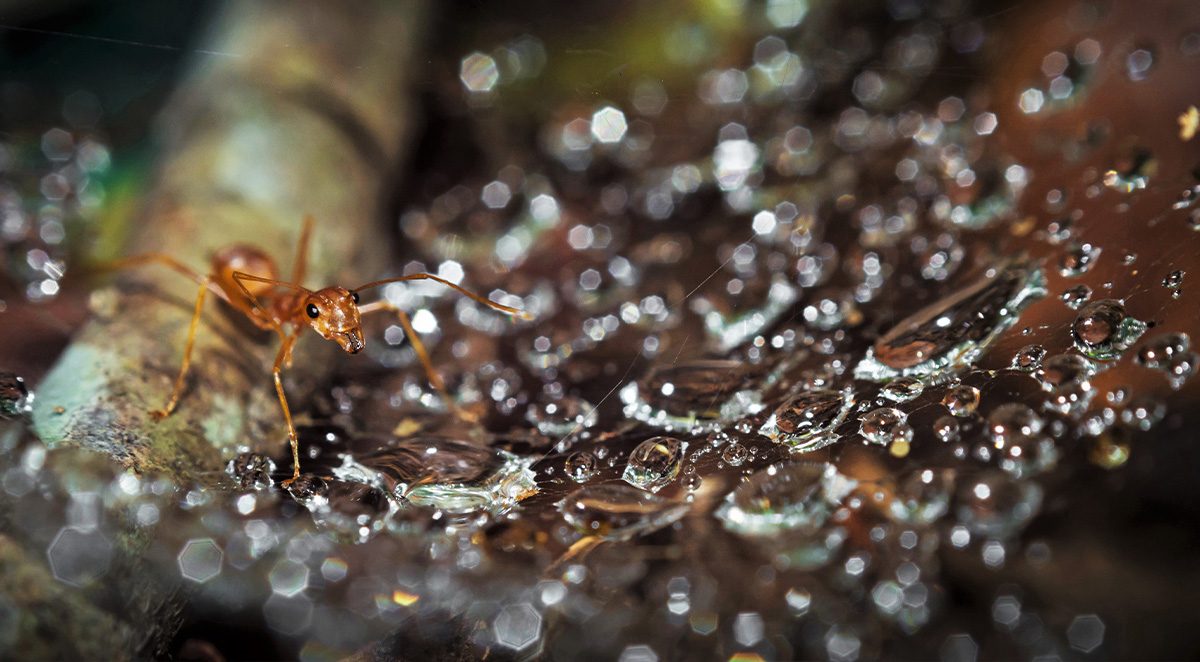
Heavy rains are often a welcome relief, replenishing water supplies and nourishing landscapes. But as much as they benefit our environment, they can also invite an unwanted surge of pests into our homes and properties.
Excess moisture creates ideal conditions for many insects and rodents, which thrive in damp environments. Understanding which pests are likely to emerge after heavy rain can help you prepare and protect your space effectively.
This blog explores the common pests that become active after heavy rains, why they are drawn to certain areas, and how to handle them in a way that is environmentally conscious.

If you’ve ever dealt with pests in your home, you know just how much stress and discomfort they can bring. However, there’s something to be said for taking a step back and appreciating the pests you aren’t dealing with.
Whether it's due to natural climate factors, proactive pest management, or simply good fortune, there are many pests that could have been making your life miserable but aren't—and for that, you should be grateful. Let’s take a detailed look at the pests we should be thankful we’re not seeing them around our homes.
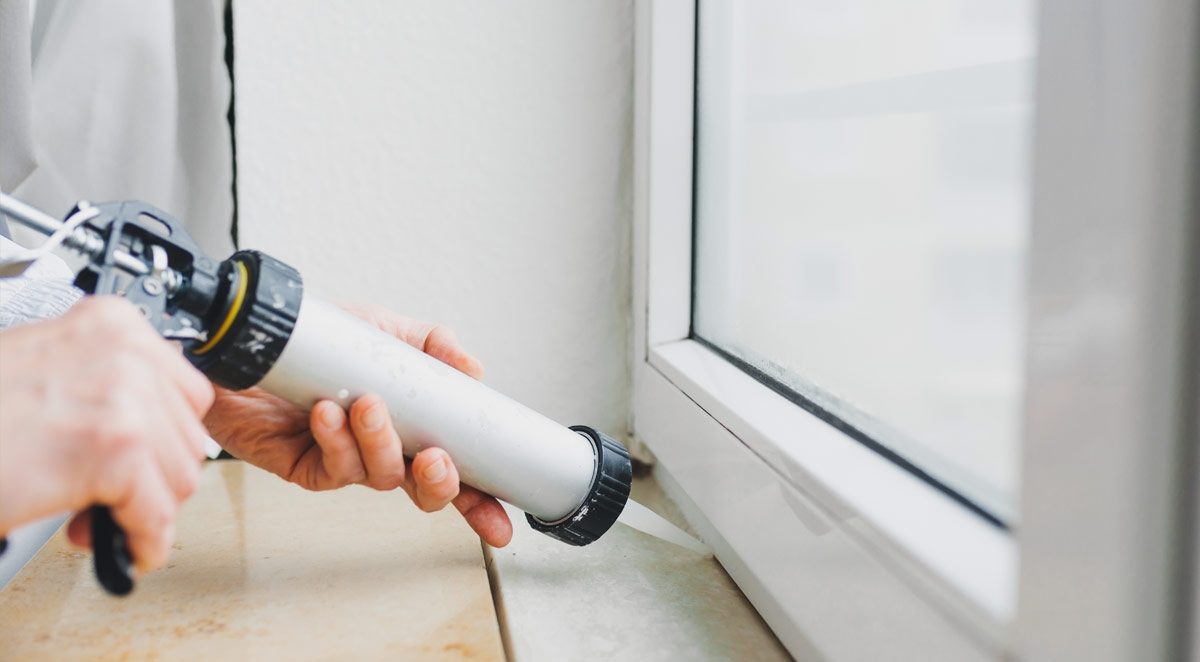
Do you feel like it has already been a long, cold winter? After an unseasonably warm holiday season, it seems like winter came to our area at full strength. We have already seen multiple snowy events, and there is no sign of the cold abating any time soon.
With subfreezing temperatures, snow, and ice, you might be wondering why in the world you have pests in your home. The one perk of winter should be the lack of bugs, right? Unfortunately, many insects and rodents are active throughout the season.
Wouldn’t it be nice if pests hibernated during the winter? It would be… but not all of them do! While we do get a nice little break from mosquitos and black flies, we still have to deal with mice, rats, cockroaches, spiders, and other creepy crawlies that seek shelter from the cold.
You may start to feel like you’re running an Airbnb for pests in your cozy home. Winter is not even halfway over. It is not uncommon for temperatures to remain frigid through March. You can’t just wait till spring for them to go away. You’re going to have to do something about those pesky winter pests right away.
Not to worry: with a few simple steps, you can kick them out and prevent the damage, bites, allergies, and mess they create.