
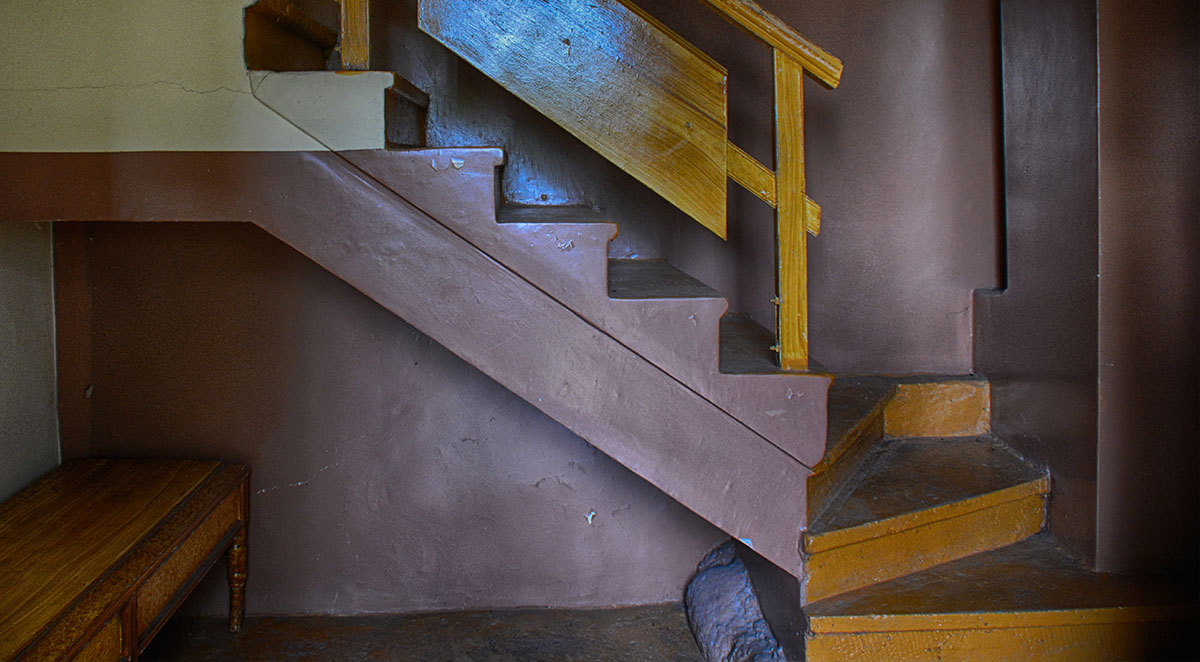
Bugs love a few different things. They look for particular conditions to help them breed and increase their numbers. They need shelter, moisture, and access to food. Your home may provide all three of these, especially if you have a wet or humid basement. That makes for an ideal environment for infestation. How do you solve it? There are a number of steps that are each achievable. Take them one by one, and you can solve the problem:

The family of Linnie Roberts, our Rid-A-Bug founder, would like to honor his memory during May; the month of his death by announcing the following:

As the temperatures rise and flowers bloom across North Carolina, South Carolina, and Virginia, wildlife activity surges. Spring brings a flurry of animal behavior as creatures emerge from winter dormancy, begin their mating seasons, and search for food and shelter. While our region's diverse wildlife contributes to our rich natural heritage, some animals can create challenges for homeowners when they decide your property looks like prime real estate.

The ants go marching ten by ten… cute song. Not so cute when you have an infestation of carpenter ants marching on towards your home - and through it. Ranging from 3.4 to 13 millimeters in length, these are among the biggest ants in the US, and their large mandibles can wreak havoc on structures. What do you need to know about carpenter ants?

As passionate gardeners know, creating a beautiful flower garden takes dedication, patience, and knowledge. After all your hard work planting, watering, and nurturing your garden, there's nothing more frustrating than discovering pests wreaking havoc on your precious plants. In the Carolinas and Virginia, our warm, humid climate creates perfect conditions for many garden pests to thrive.