
Rid-a-Bug Exterminating Blog
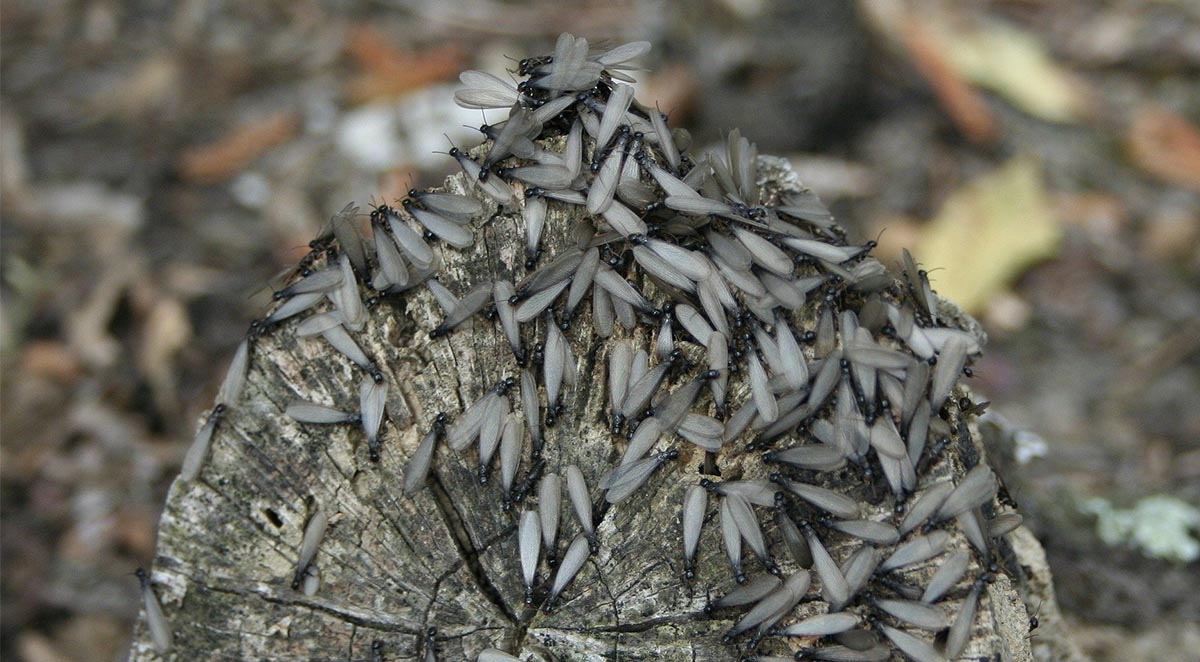
The very mention of termites sends shudders down the spines of homeowners. If you know nothing else about them, you know that they can do a significant amount of damage to your home in a relatively short time. Given enough time, termites can do almost irreparable harm to the structure of your property. Ultimately, termites cause 5 billion dollars in damage every year. These tiny pests are one of the biggest threats to your house. However, if you knew some of their secrets, you would be better prepared to defend against them. Here are six secrets termites do not want you to know.

There are many contributing factors to an infestation of termites that includes rising temperatures, moisture levels, and light intensity. Regardless of where you live, you may not be aware of a termite infestation until it is too late. If you spot an infestation early on or potential termite signs, you need to bring in your local pest control company to perform an inspection of your home. Termites that have been nesting in your home for years can cause thousands of dollars in damage and usually aren’t covered by homeowners insurance.
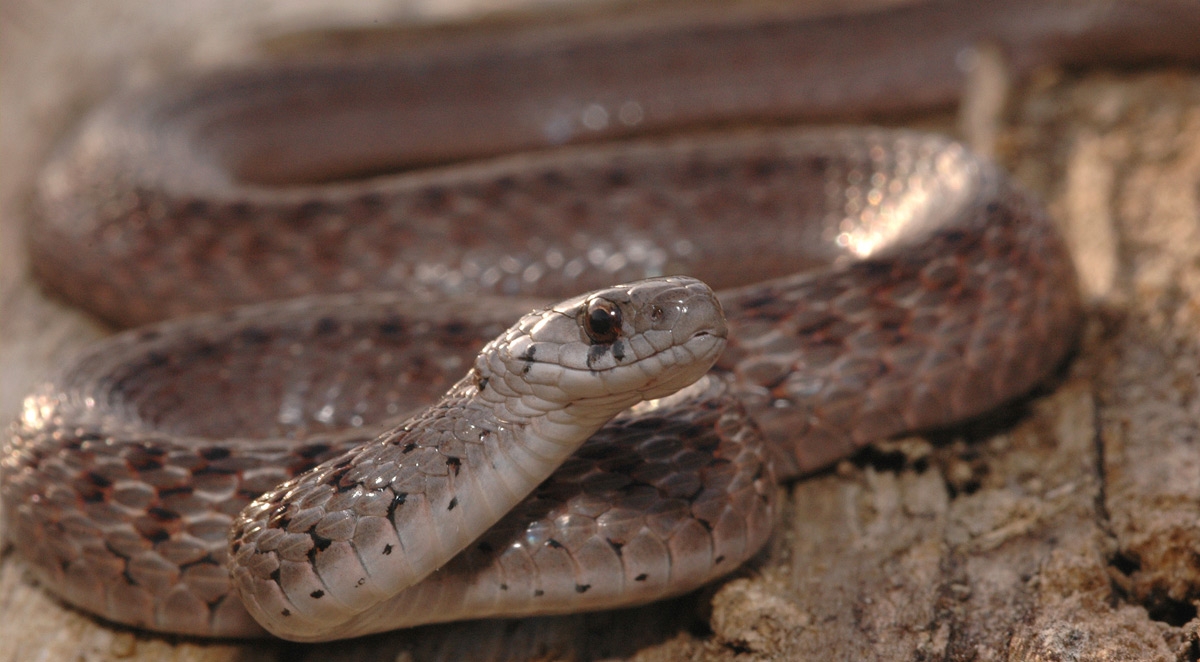
Pest control companies are mostly known for exterminating pests in your home, but many companies also provide wildlife management to remove any animals that found their way into your property. Snakes like to find dark and damp shelter in places like garages, crawl spaces, sheds, basements, and areas of tall grass. Finding them around your home or yard isn’t pleasant and risky if you provoke them.
Most snakes that you come across won’t be venomous, but it’s good practice to assume that they all are. They need to be removed as soon as possible by professional pest control or wildlife management.
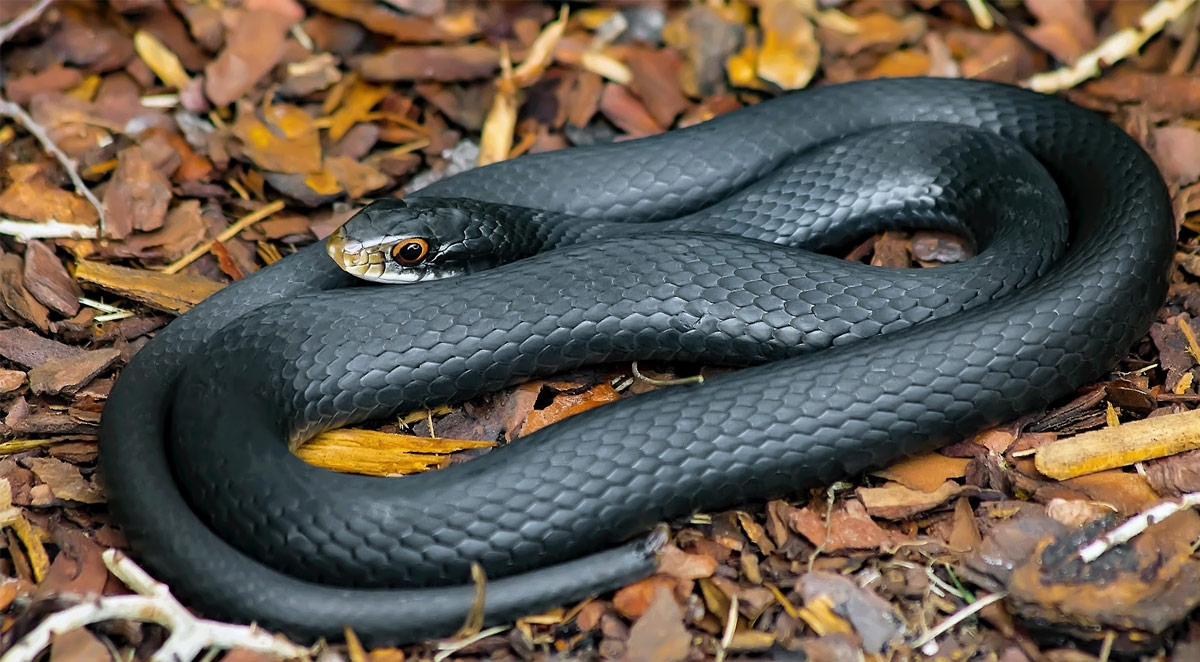
Snakes are scaly, legless, and unique creatures that slither into your yard and sometimes even your home. Some snakes can be dangerous, while others are beloved as pets. However, seeing an unwelcome snake in your yard can be troubling. Here are six ways to keep snakes out of your home and yard.
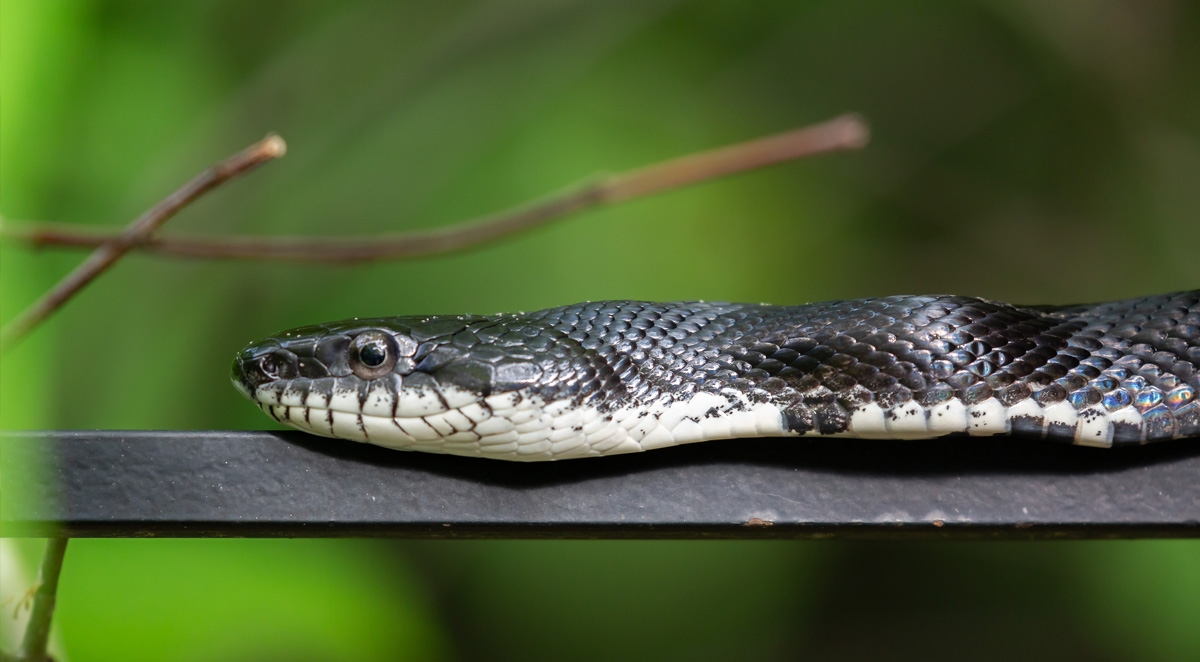
There are certain situations where you can do it yourself and exterminate pests such as bugs, ants, and cockroaches that usually don’t need a professional pest control company. But for bigger pests that cause danger and damage to your family or home, it is necessary to call an exterminator.
Snakes can easily find ways to get into your home if you have a mouse problem or dark, damp places where they can hide. We recommend always contacting a pest control specialist when you encounter a snake in your home to remove the snake safely and address the underlying problems. Here are the top three reasons why hiring a professional snake exterminator is a smart idea.
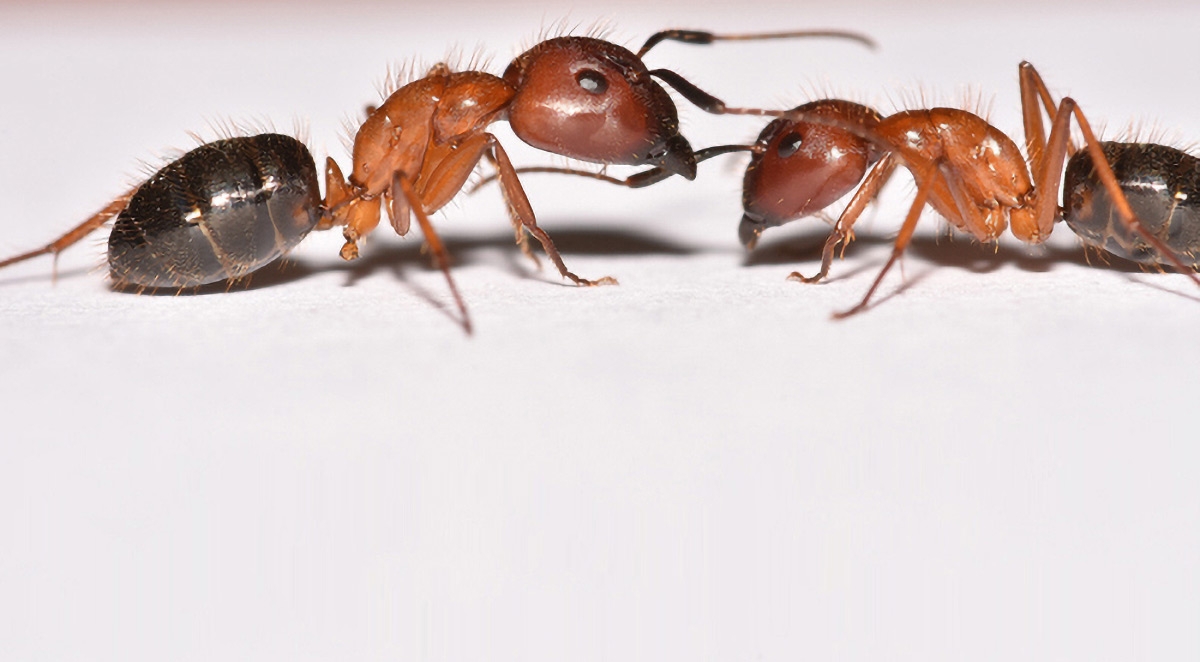
How To Get Rid of Moisture Ants
Are you spotting ants roaming freely throughout your home and finding them in moist areas? If so, you are probably battling with moisture ants. This species of ants live in damp, humid environments and are often discovered when homeowners are remodeling their homes. Moisture ants thrive in temperate rich environments prone to humidity behind walls, wet spots, and rotten materials like wood. Moisture ants are easy to spot because of their large-sized and light red/dark brown bodies. However, their hiding spots allow them to damage the structure of the home without you even knowing.
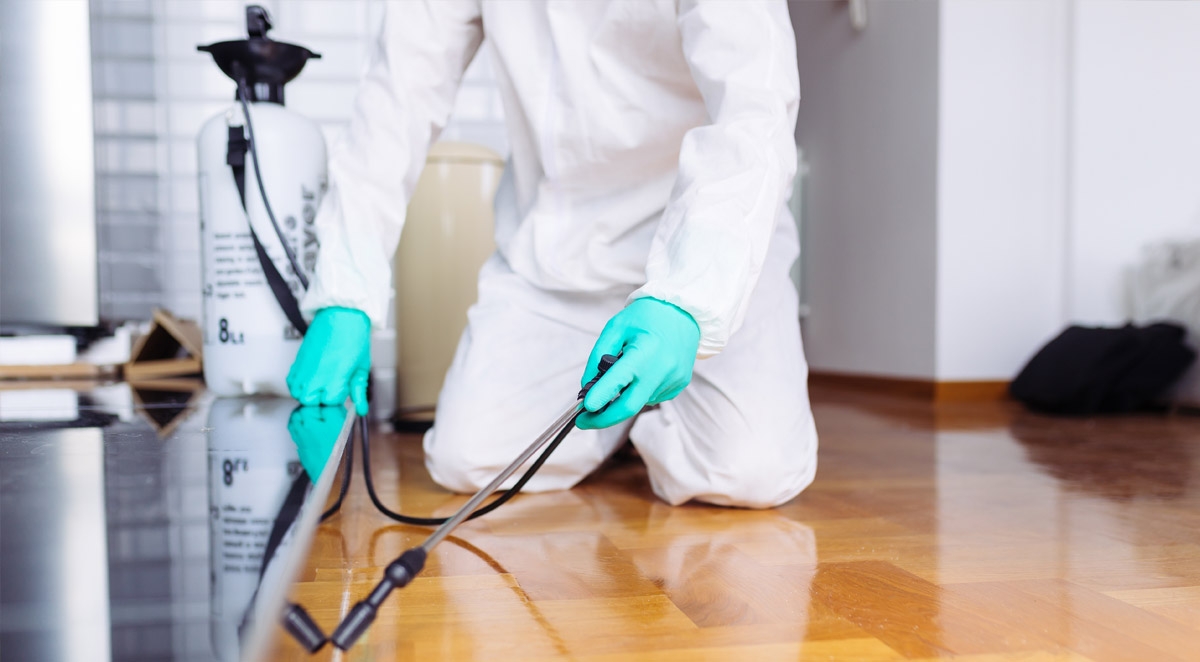
3 Things an Exterminator Does To Get Rid of an Ant Infestation
Let’s face it, we all have battled ants invading our homes. Granted, they are the top most common household pests because of their tiny bodies and sensitivity to smell, which serves as an advantage to crawl right into your cozy home. Whether you’ve got ants in the kitchen, the bathroom, or living space, getting rid of them may be easier than you think.
Before we dive into this article’s topic, we want to remind you of everything you love about living in the Carolinas or Virginia. Do you love the weather, the year-round mild temperatures, the occasional snowfall, and the way the mist rests in the valleys of the foothills? Do you love having access to the mountains and thousands of miles of hiking and mountain biking trails? Do you love the Virginia Creeper Trail, the New River Trail, and all the greenways in every small town and region? Do you love the thriving economy and welcoming thousands of new neighbors who relocate to this special place?
We wanted to remind you of those good things because in this article we’re discussing ants.
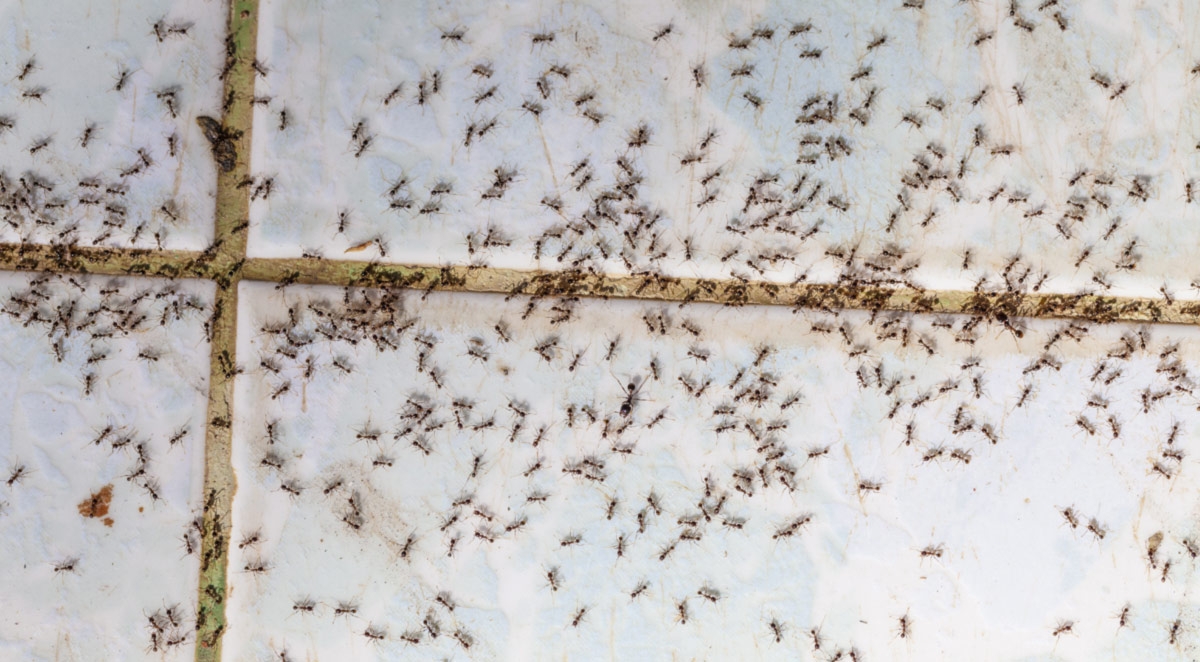
It has probably happened to you: you returned home from work or vacation to find thousands of tiny creatures have invaded your house. Maybe you poured a bowl of cereal only to find that there was a new disgusting flavor. Maybe you saw them marching through a container of muffins you thought you sealed tight. Maybe you see them crawling along your wall in a bizarre pattern, going in and out through the tiniest crack or shut window that just doesn’t quite close all the way.
Upon seeing this tiny plague, you may have gone on a smashing spree. Otherwise, you probably searched the internet or asked loved ones for every home remedy on the books. Unfortunately, ants have been doing what they do for thousands of years. They are not easily deterred. In this article, we want to help you with some solutions for how to prevent ants from invading your home and what to do when you encounter them.
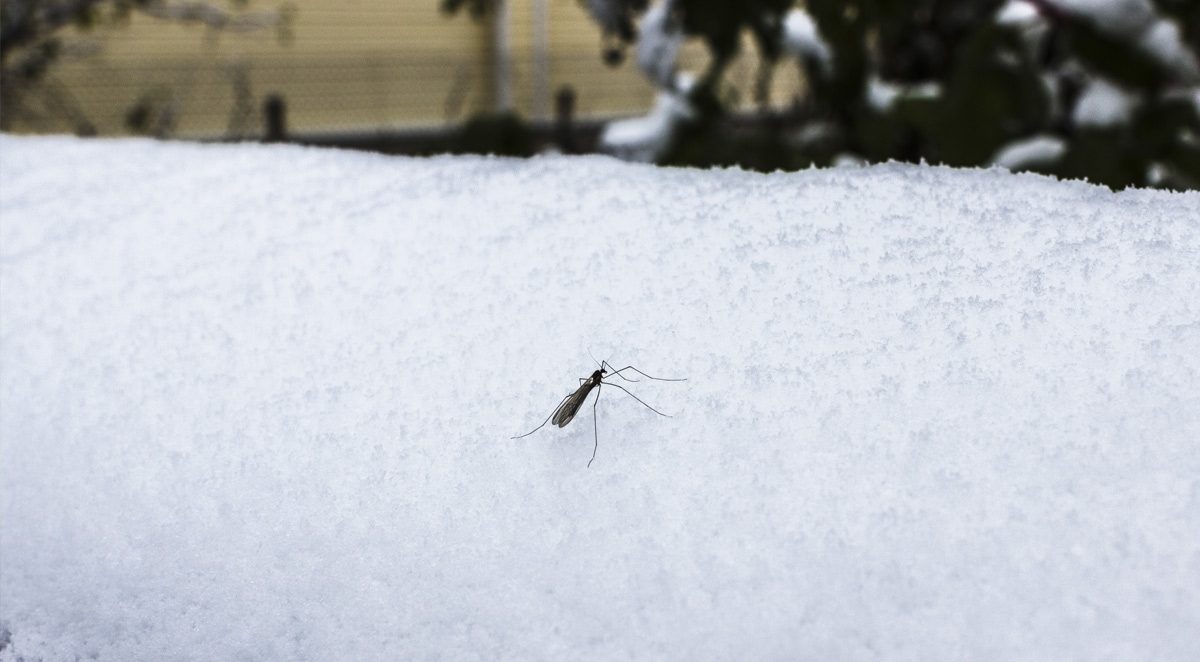
Even if you don’t love winter, it does offer a nice little break from our unofficial fifth season: Mosquito Season. Ahh, enjoy! But does cold weather really mean fewer bugs and creepy crawlies? Does it really kill pests?
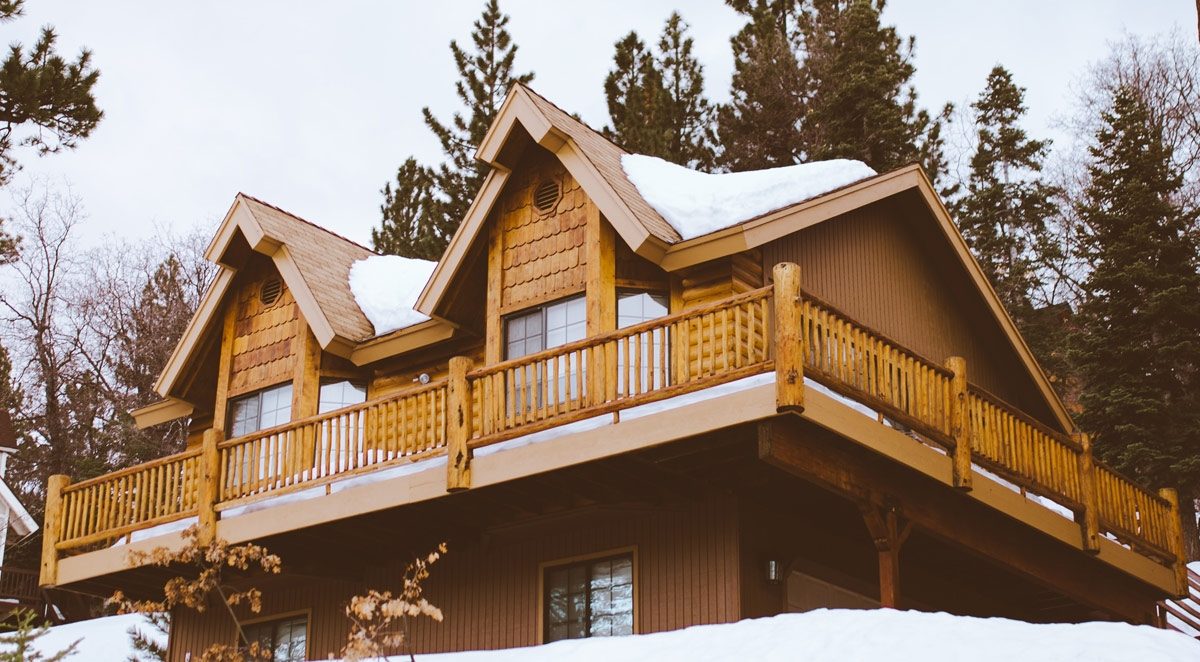
People look for signs about everything. Whether it’s searching the stars for answers to questions about big decisions in life, reading horoscopes in the paper, or simply navigating roads and highways, we rely on signs to tell us where to go and what to do.
We also pay attention to signs something bad is going to happen. A bad sign could be the change in wind patterns that indicate a storm is rolling in, or noises your vehicle makes when it needs maintenance and attention. Good or bad, certain signs beckon us to pay attention and keep our guard up.
When it comes to pest infestations, many insects are tiny and difficult to see with the naked eye. Some hide in the darkest and deepest corners of your home for years and can go virtually unnoticed. However, even the sneakiest pests often provide signs of their presence.

More and more of us want to live more sustainable, environmentally-responsible lives, and this is a commendable goal! When it comes to pest control, what does this look like? Integrated pest management is an eco-conscious approach that uses our knowledge of pest life cycles, as well as their habits of interacting with their environment, to safely and effectively manage these problem populations. It minimizes environmental impact and the hazard to people and property. Want to learn more about IPM? You’re in luck.
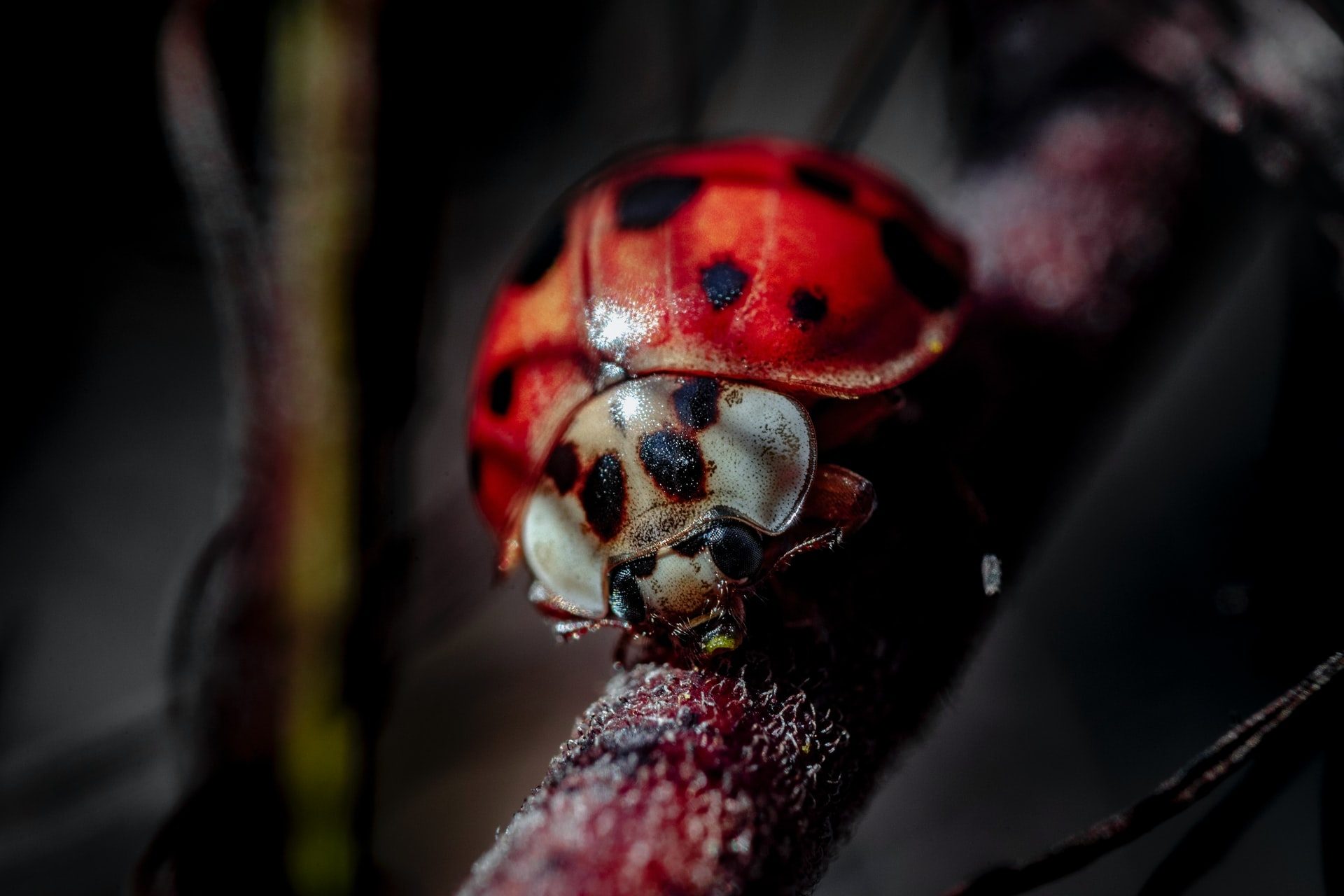
It is cold here in western North Carolina and southwest Virginia. We have already dealt with rounds of snow and ice, and the disruptions that come with winter weather. There is still a long way to go before spring.
You might be thinking, at least winter kills all the begs, creepy-crawlies, and insects; however, in our area, pests can persist at your home or business all year long. It is a myth that bugs all die or hide when the temperature drops below freezing. There are some that take the winter off, like mosquitoes, but there are others that either take their place or come out specifically for the cooler temperatures. In this article, we are helping you identify common winter pests, and helping you know what you can do to get them out of your hair.
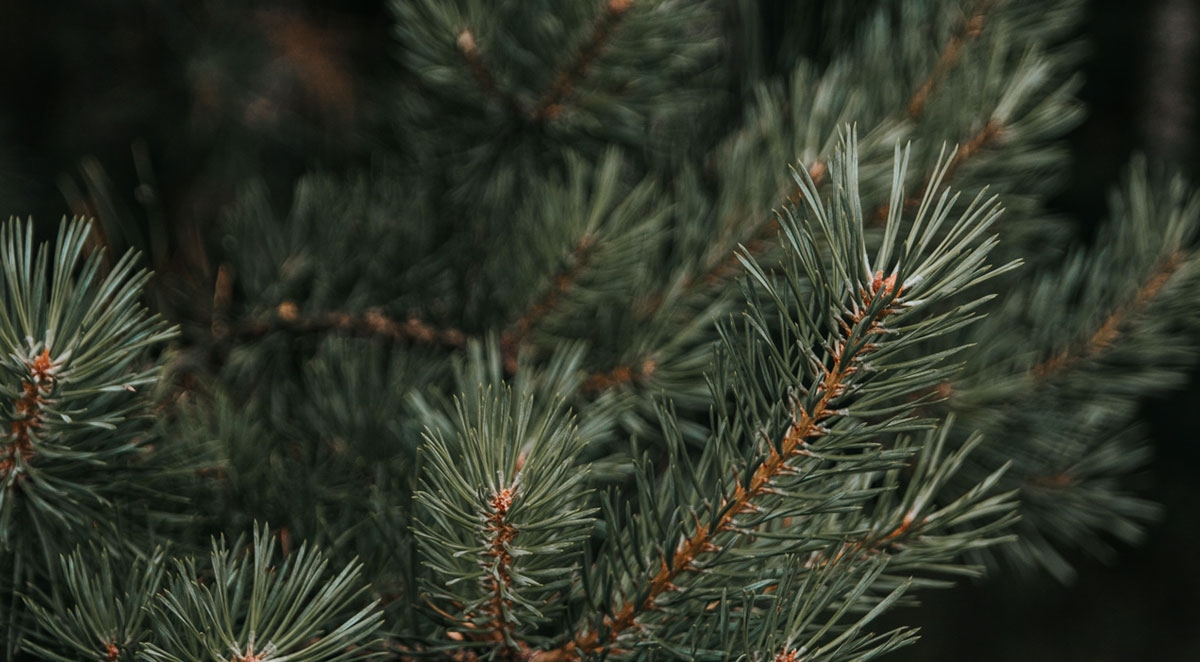
Families throughout the Carolinas and Virginia were looking forward to the holiday season all year. It has been an unusual year. Christmas and New Year's represent a semblance of normalcy and opportunity for families to spend time together, even if many have had to forgo traditional gatherings for the sake of safety.
In the foothills and piedmont of North Carolina and Virginia, it is common throughout the last weeks of November and December to see vehicles with Christmas trees strapped to their roofs. This year we have seen it more than ever: as people return from their mountain excursions with their perfect trees, they are eagerly anticipating decorating them with ornaments and lights. However, few are thinking about the arrival of Christmas tree pests as part of the tree's charm.

Buying a home in the Carolinas and Virginia is a smart decision. For many years, our region has been growing rapidly. Whether you were in the foothills, Piedmont, or high country, you can look around and see what it is that draws new residents to our area. From wide mountain views to the rolling hills of the lower elevations to pristine rivers and creeks, there is a substantial amount of natural wonder. Our economy has remained strong even when much of the country suffered, so there are great jobs and careers when you do move here.
While buying a house is often a wise financial decision, especially as opposed to renting, homeowners often find themselves budgeting for things they might not have expected -- or at least they wish they had budgeted for unexpected repairs and maintenance. Homeowners must budget for heating and air conditioning repair and replacement, water heater maintenance, a new roof every 15 years or so, painting and staining, and a host of other issues. One expense for which you may not have accounted is pest control. However, planning what to spend on pest control and insect management related issues, can ensure that you get the most out of your budget.

The holiday season is finally here in the Carolinas and Virginia. Residents have waited through a long, difficult year to finally have an opportunity to rest and relax. While Thanksgiving and Christmas gatherings may look different this year than they usually do, people are finding creative ways to make sure they get time together. At Rid-A-Bug, we are as excited as anyone for the holidays.
Some people think that pests go away during fall and winter, but that could not be further from the truth. Unfortunately, some pests actually wait until the weather cools before they invade your home. If you are hosting small groups of your friends and family, we want to help you have as few pests as possible.
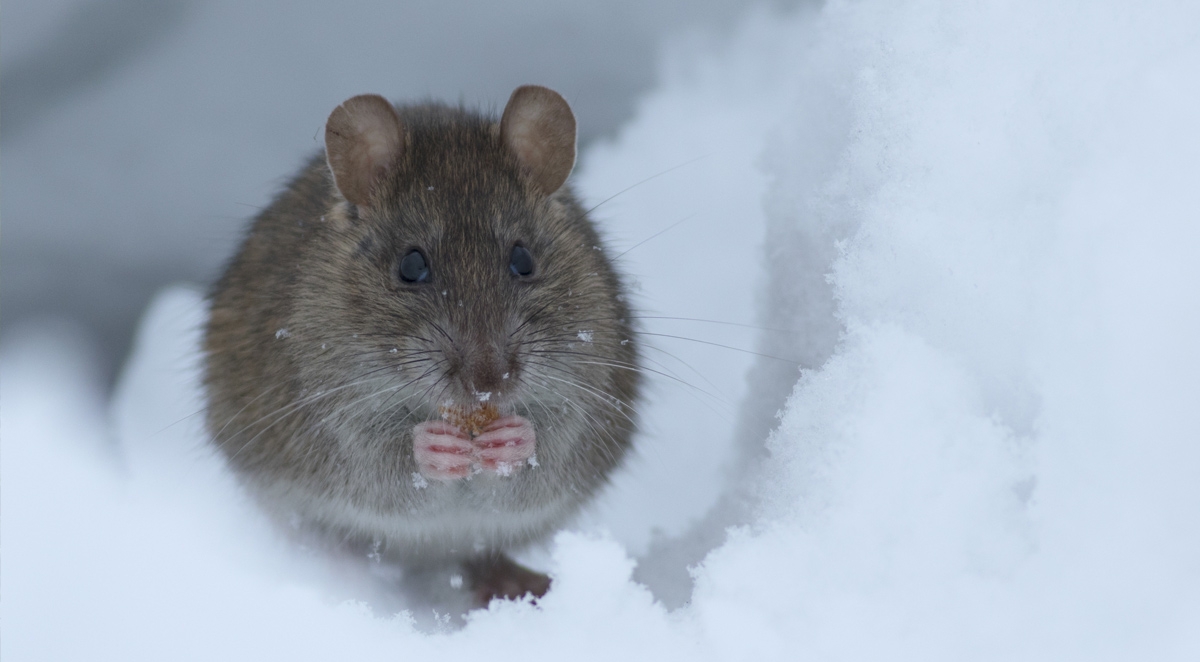
When the weather outside is frightful… mice look for warm, dry, safe accommodations that are close to food sources. You guessed it; they are looking to take up residence in your home. These pests prefer darker, hidden areas, such as attics and walls. This makes them more challenging to trap - but far from impossible. Armed with a few expert tips, you can kick out these freeloading critters and keep them from coming back.
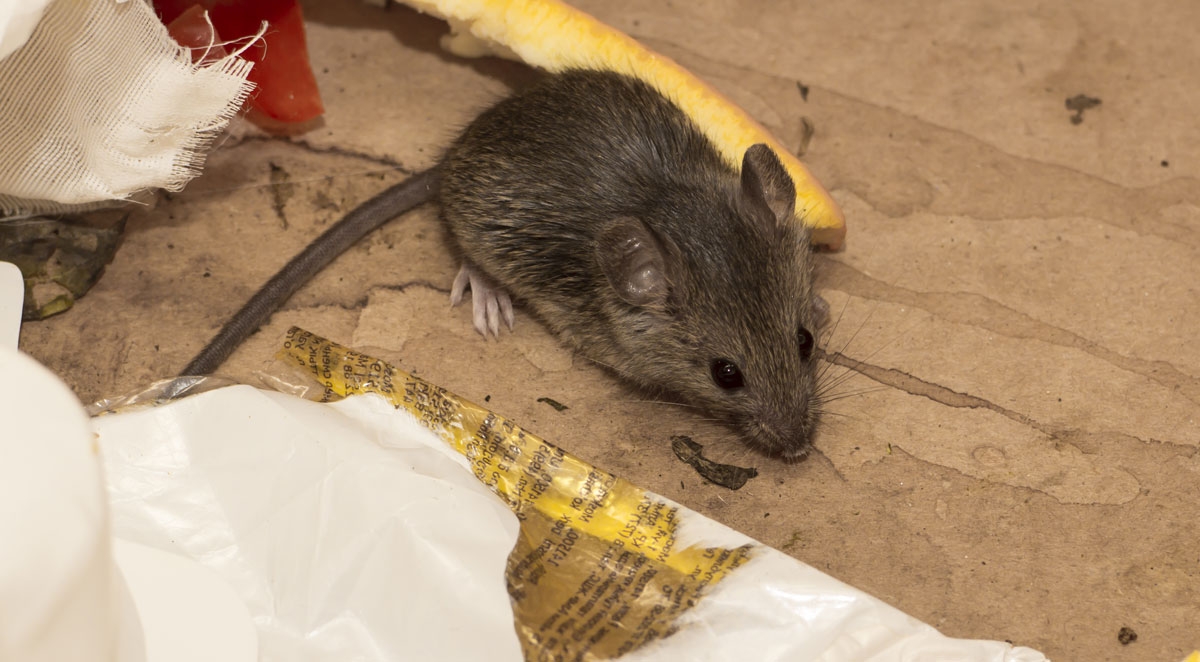
Mickey and Minnie notwithstanding, no one likes mice in their homes or businesses. Many of us have a natural aversion to these four-legged pests, but they can also carry and spread diseases like hantavirus, salmonellosis, and listeria through their droppings, urine, saliva, and nests. Suddenly, those cute little critters are not so cute. Mice like to invade warm, dry shelters (e.g. your attic, basement, or kitchen!) ahead of the cold months and make themselves comfy. How can you fix (and better yet, avoid) this pest problem?
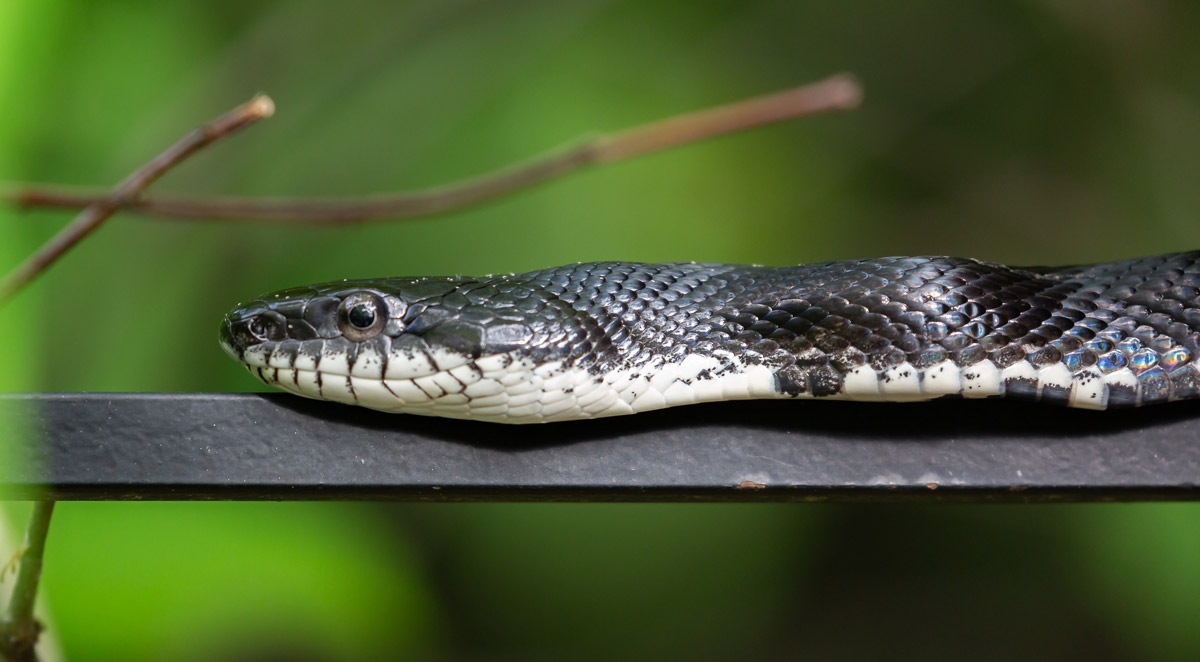
A long hot summer finally seems to have come to an end. After a relatively warm winter and spring, summer seemed to bring an excess of the pests and critters we hate the most. Ants, termites, spiders, stink bugs, and ticks were certainly plentiful this year. Homeowners in the Carolinas and Virginia also noticed quite a bit of their least favorite wildlife.
Notably, there were snakes a-plenty throughout the warm season.
If you ask residents of the Carolinas and Virginia about their favorite season, a few might say summer for the warmth, or spring for the smells and colors. Many will proudly answer that Autumn is by far the best season to be in our area. From campfires and pumpkin spice to changing leaves and sweater-weather, the fall is a great time to be in the foothills and piedmont.
One of the best things about Fall is Halloween. For most years, it means decorating your home in the scariest manner possible and trick-or-treating. Your neighborhood becomes a frightening place to be outdoors. Not really, of course, it’s all in good fun. But a real reason to be scared is likely hiding in your home’s floors, walls, and furniture.
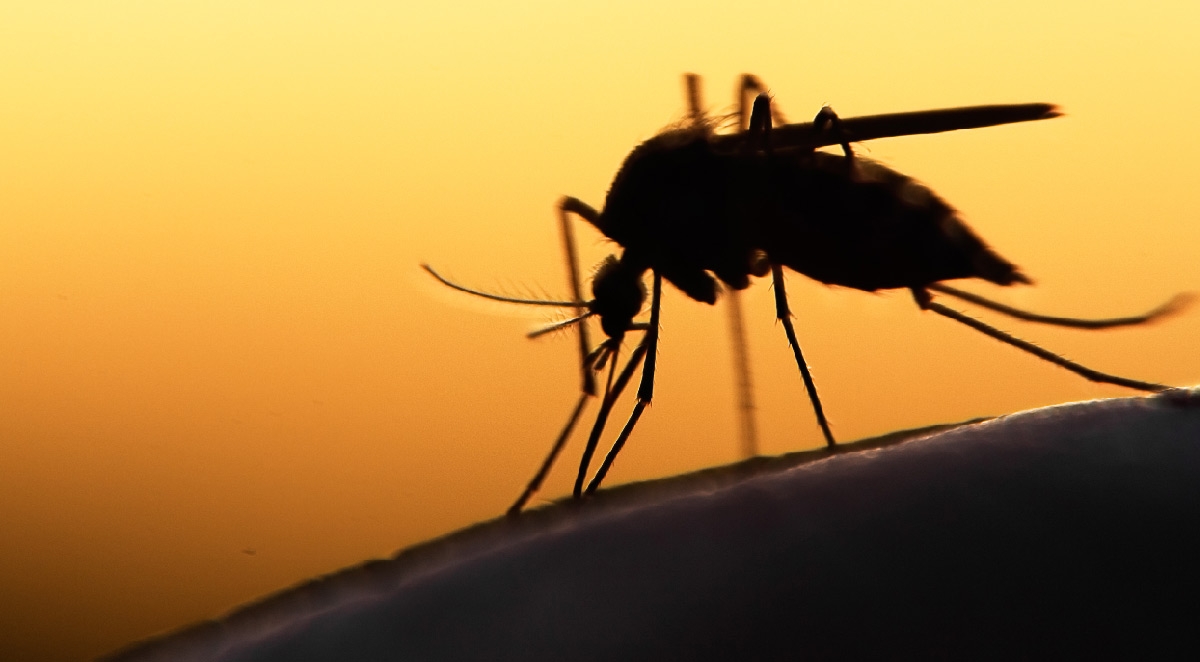
Mosquitoes. They’re the surefire way to ruin a summer evening. Like your Uncle Al who uses your sofa like a (free) Airbnb or the neighbor who only shows up when you’re grilling up something juicy, mosquitoes are not exactly welcome, and they quickly become a big, buzzing nuisance. How can you protect yourself from bites - and mosquito-borne disease - and have a much more enjoyable summer?

The family of Linnie Roberts, our Rid-A-Bug founder, would like to honor his memory during May; the month of his death by announcing the following:
Summer brings a lot of lovely things with it: warm weather, rain, flowers. It can also bring some less appealing things. Pests start to run rampant in summer. Part of it's the warm weather. They start to become more active. Part of it's the wet weather. Animals that might be fine even in winter's cold look for shelter when their habitat is saturated. There are 7 common pests to watch out for, in the home and out of it. Some are nuisances, some are dangerous, some cause damage. Here's what you need to know about them:
Bugs love a few different things. They look for particular conditions to help them breed and increase their numbers. They need shelter, moisture, and access to food. Your home may provide all three of these, especially if you have a wet or humid basement. That makes for an ideal environment for infestation. How do you solve it? There are a number of steps that are each achievable. Take them one by one, and you can solve the problem: