
Rid-a-Bug Exterminating Blog

The process of exterminating a pest infestation in your home, whether it be cockroaches or termites, or fleas, can be time-consuming and costly. Depending on the type and severity of the infestation, it could take weeks for your home to return to normal.
One particular type of pest that is difficult and expensive to get rid of is bed bugs. If you have a bed bug infestation, you might wonder if your homeowners insurance can help you pay for the extermination. Though homeowners insurance covers a variety of devastating life events, bed bugs and other pest infestations are typically not one of them.
For many, the spring and summer months are the best time of year. People associate this season with sunshine and warm temperatures. The weather is perfect for cookouts and outdoor gatherings. The pools are open, and the water is comfortable. Here in the piedmont and foothills, we are not too far away from the beach for a day trip or weekend getaway. When the mercury climbs too high, we can go up to the higher elevations around Boone, Blowing Rock, and the Grayson Highlands to get a break from the humidity and explore the mountains.
While there is so much to love and enjoy about the summer, it is also the season for annoying pests and wildlife. We must diligently watch our homes and property for venomous snakes and spiders, termites, and carpenter ants. These types of insects and wildlife threaten our family or could damage our homes. But there is a certain pest that might be the most annoying of all.
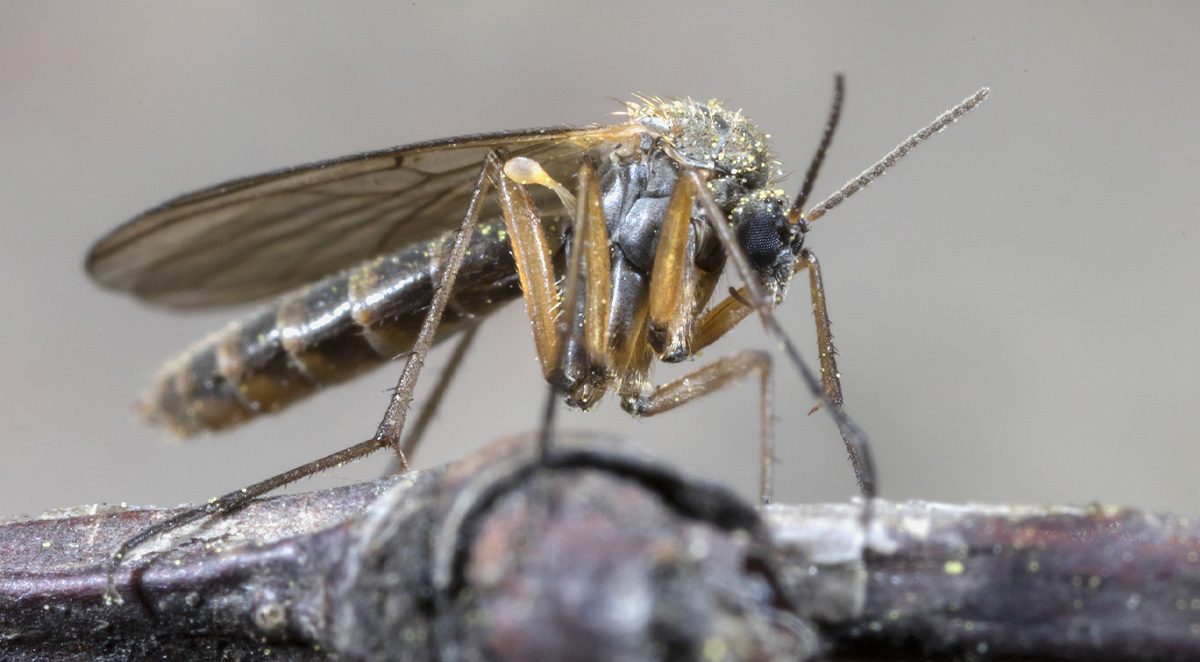
While we don't associate mosquitoes with being directly harmful to our family members, they are prevalent in our area and can be incredibly aggravating. mosquitoes might be more of a threat than a mere aggravation.
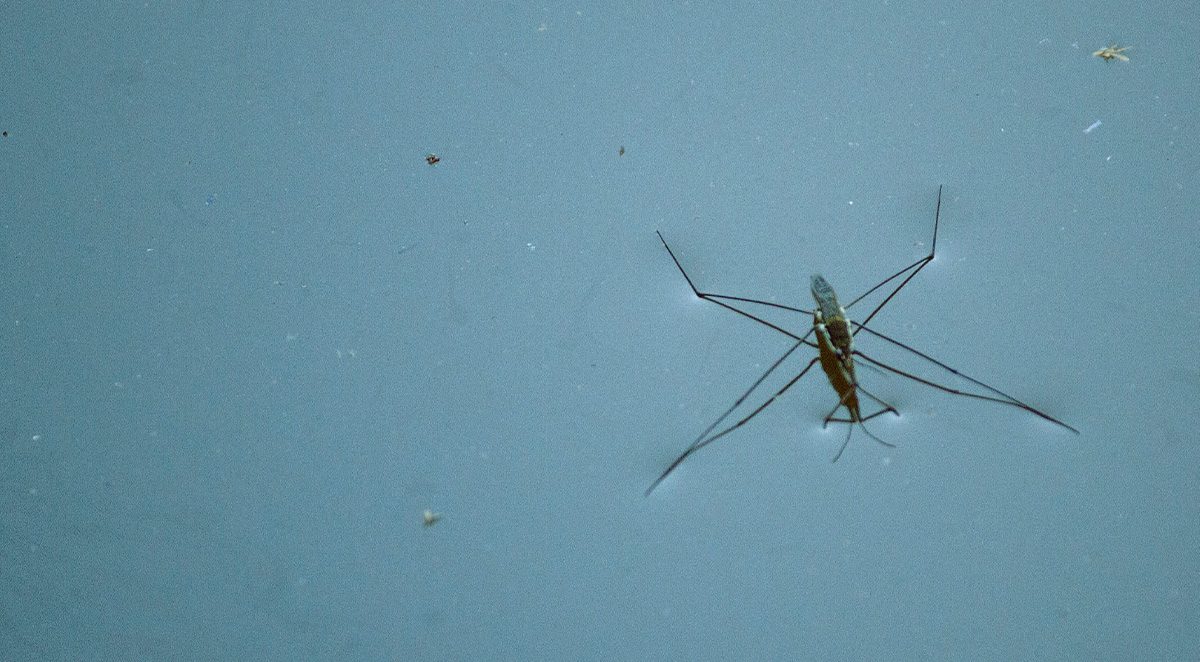
We have all been there. The weather is finally warm enough to use your deck or patio. You, your family, and some close friends you invited are all enjoying the late afternoon sun as it sets behind the trees. Maybe you are grilling and telling stories while the kids play in the yard. The temperature feels great, so you just turn the porch lights on and prepare to hang out through the evening. But you hear the faintest little buzz, followed by the tiniest prick. You slap your arm, but it’s too late to help. Then, your guests are swatting and slapping at little black teeth with wings. The kids begin running back from the yard, and everyone is retreating to the house. Unfortunately, the pests just follow you right into the house. Yet another evening was ruined by mosquitoes.
Mosquitoes are part of life in the Carolinas and Virginia. They have been known to spoil many family get-togethers and spread harmful diseases. If you have a mosquito problem, you want to get rid of them as quickly as possible. In this article, we are talking about mosquitoes and how to get rid of them.
There is a lot to love about late spring and early summer in the foothills and mountains of the Carolinas and Virginia. It is the perfect time of year to enjoy the great outdoors. We are surrounded by hundreds of thousands of miles of hiking and mountain biking trails to explore. Rivers and creeks roll from the ridges through the valleys, inviting people to go whitewater rafting, kayaking, or fly fishing. It is a season where you can comfortably sit outdoors at your favorite restaurant or on your own patio well into the evening. You can get out and grill, garden, and set up the sprinkler for the kids.
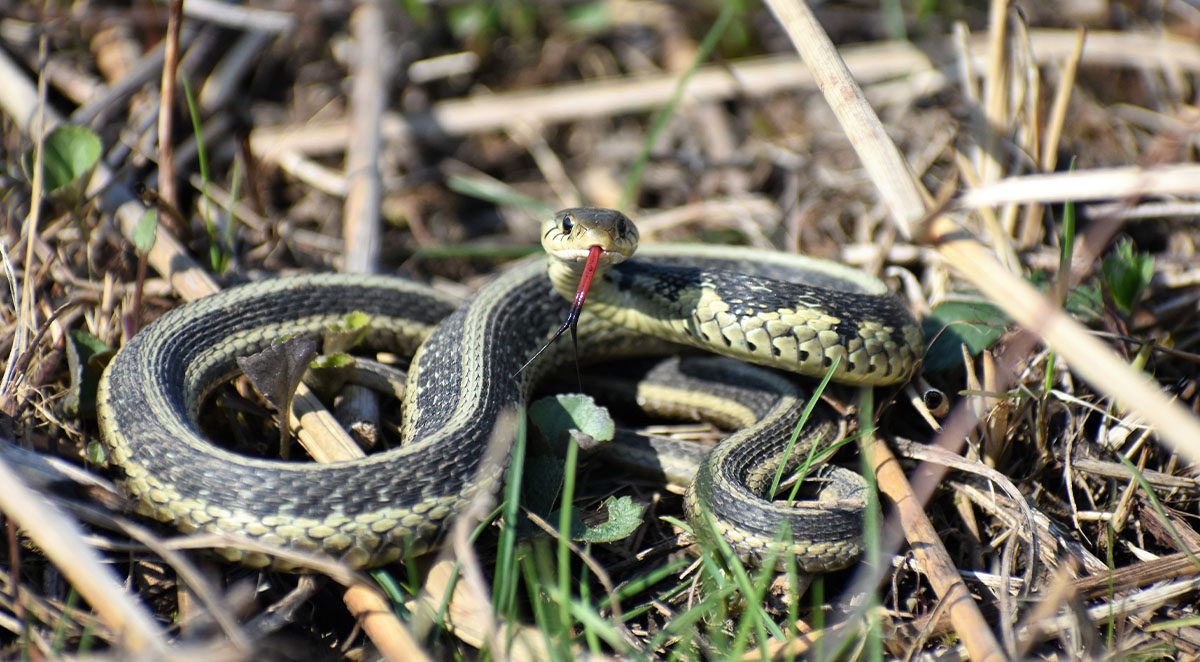
If there is a downside to this time of year, it might be slithering around your yard or in your attic. You may find it under a rock or hiding in the rafters of your barn. You may see it in your garden or crossing your path on your lawn. Snakes are an unfortunate part of the summer. Finding one can be quite frightening for you and your family.
Here is what you can do about snakes.
There are over 3,000 species of snakes around the world, but there are few prominent types that tend to live in Western North Carolina, South Carolina, and Virginia. While these species can be spotted in other areas, the kind of snake you will likely find depends on your surroundings. While it’s possible to be bitten by snakes, it should be noted that snakes are not poisonous, but they are venomous. This means they can only transfer venom through a bite that can be life-threatening to a human.
To get a better idea of what you may be dealing with, here are the most common reptiles.

Your home is your family's sanctuary. It is the place you go to rest and recharge after a long day at work. It is where you make lasting memories with your favorite people. You do everything you can to make sure your house is more than walls and a roof. You decorate, paint, and personalize every square inch of it. It is your safe space. When there are pests in your home, you need them gone as soon as possible. Some insects are worse and more aggravating than others. Bed bugs are among the most frustrating pests experienced by residents of the Carolinas and Virginia. It is frustrating enough to have any insects in your home, but pests that live where you sleep are the worst. In this article, we are discussing what causes bed bugs, and how to avoid them.
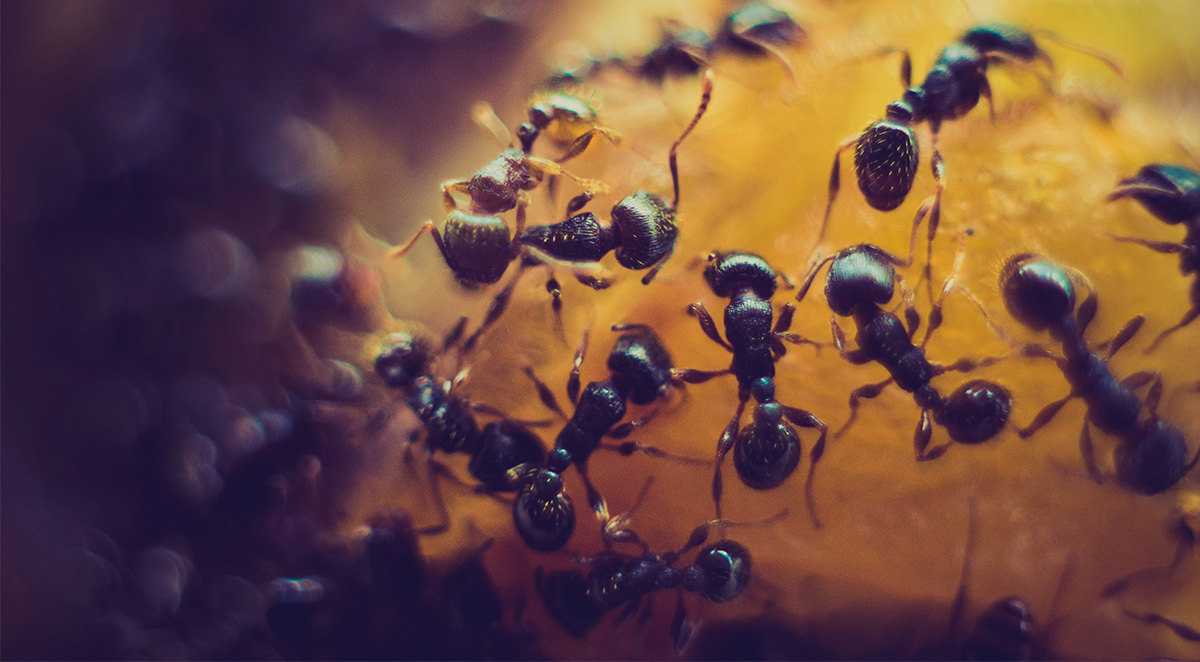
Carpenter ants don’t cause as much damage as termites and other pests, but they can be quite a nuisance.
They get their name from their nest building, where they will excavate the wood and form tunnels inside the wood. Unlike termites, they do not eat woods but only chew through wood to make tunnels and create nests. Carpenter ants' damage appears from their need to create nests in wooden items like desks and stumps. If your house is infested, read on for how to get rid of black carpenter ants, and what carpenter ant treatment to use.
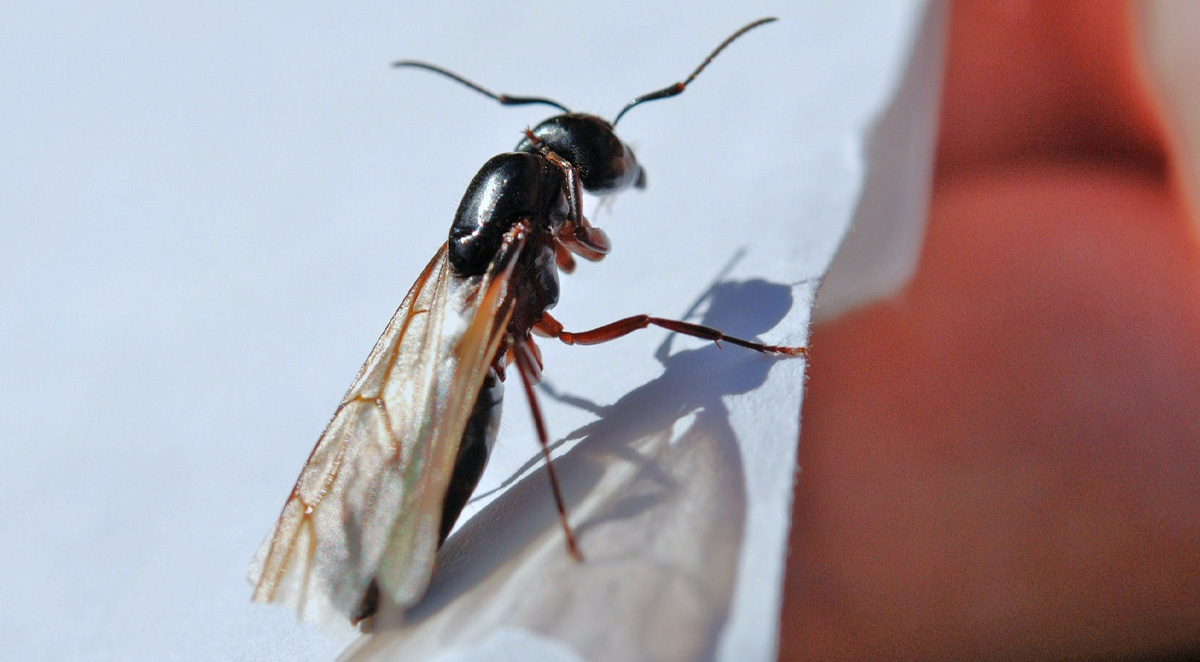
Swarmers have wings, unlike all other ants in colonies. Their wings allow them to glide far away instead of crawling to a new nesting destination. They are assigned to finding a nesting site and then being the first to reproduce and build up new colonies. If you see flying ants swarming, this means that the colony has been maturing for a while.
Flying ants are a type of ant that serves a single function: to extend the life of their colony.
As life gets back to something like normal, you may actually be establishing a daily routine of leaving your house. After a year of learning and working remotely, even if it’s only a few days a week, it is nice to get outside more often. However, one of the few downsides to actually being able to leave your home is that you may have the unfortunate experience of returning to unexpected pest problems such as ants. We have all been there. Everything seems fine when you leave, but by the time you get home, there is a train of what seems like thousands of the tiniest insects parading through your home.
As bad as normal ants can be, what do you do when that swarm of ants is flying? You may have not even realized that is a possibility, but if you have seen it, you know that it can be something of a nightmare. In this post, we are talking about flying ants and what to do with them -- short of abandoning your house.
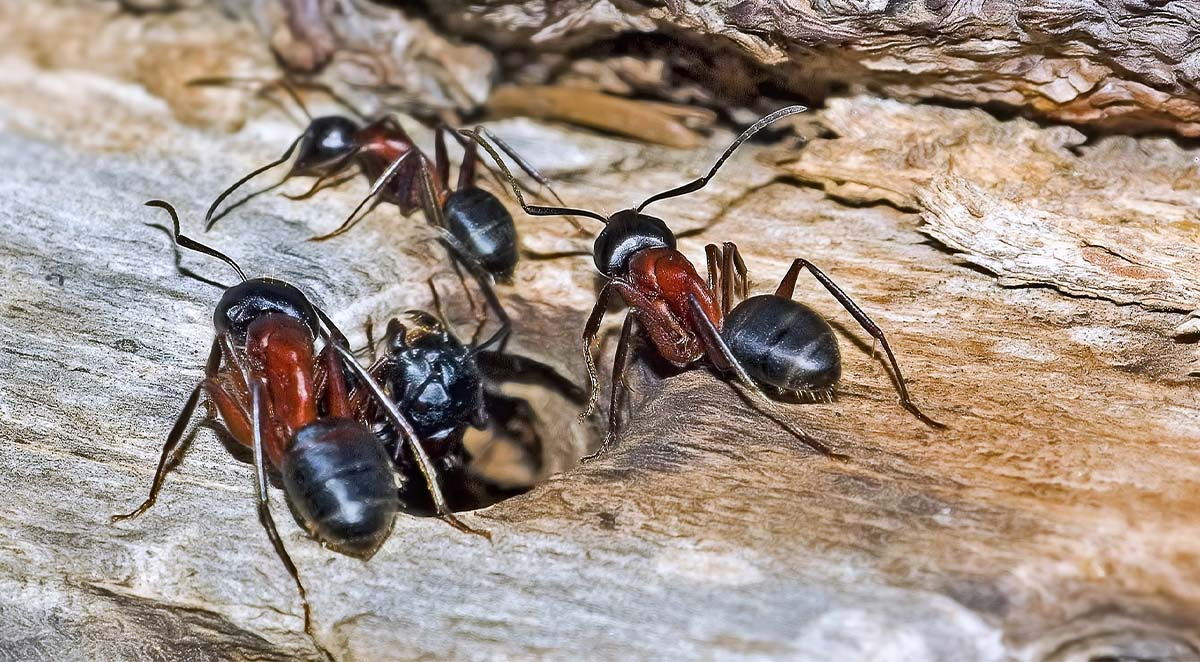
There are many kinds of pests that plague our homes. Most insects are an annoyance. There are a few, however, that can actually do damage to your property. Termites get all the headlines for being destructive. They are, of course, one of the worst types of pests you can have within your home or commercial property. Termites can do tens of thousands of dollars in damage in a relatively short amount of time. However, they are not the only pests that do more harm than merely being aggravating.
While not necessarily as destructive as termites, carpenter ants can wreak their share of havoc. If allowed to linger, these tiny insects can do a lot of damage and cause homeowners to pay a significant price in repairs. We want to help you learn everything you need to know about carpenter ants.
Here is what you should and should not do when it comes to the presence of carpenter ants on your property.
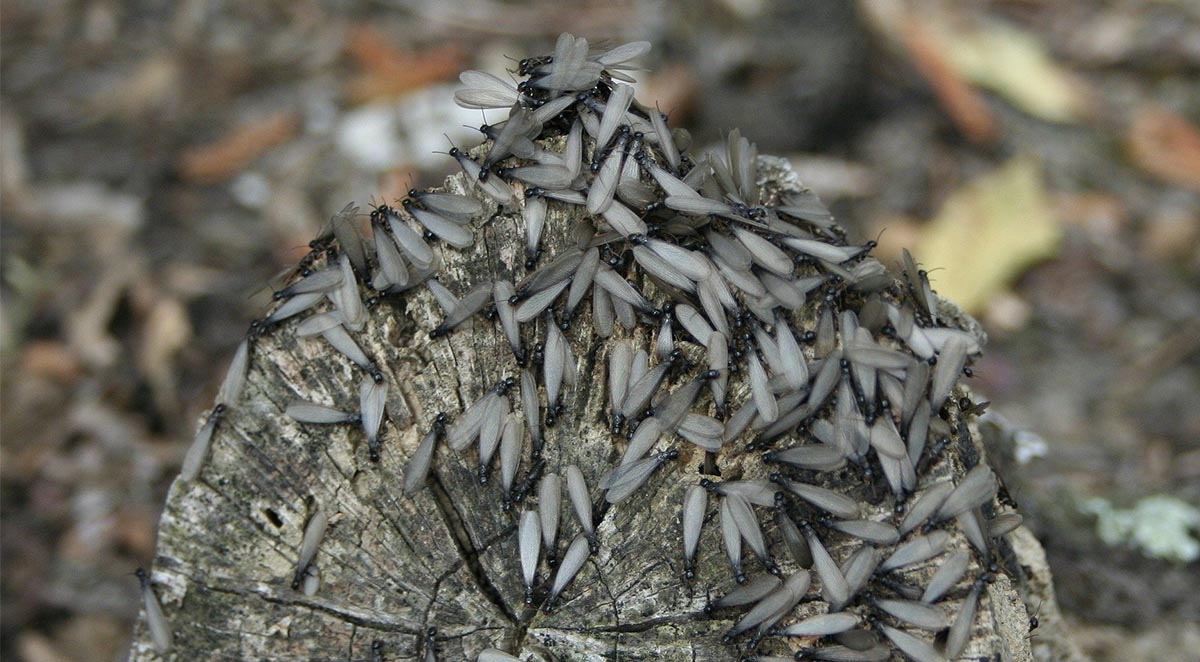
The very mention of termites sends shudders down the spines of homeowners. If you know nothing else about them, you know that they can do a significant amount of damage to your home in a relatively short time. Given enough time, termites can do almost irreparable harm to the structure of your property. Ultimately, termites cause 5 billion dollars in damage every year. These tiny pests are one of the biggest threats to your house. However, if you knew some of their secrets, you would be better prepared to defend against them. Here are six secrets termites do not want you to know.

There are many contributing factors to an infestation of termites that includes rising temperatures, moisture levels, and light intensity. Regardless of where you live, you may not be aware of a termite infestation until it is too late. If you spot an infestation early on or potential termite signs, you need to bring in your local pest control company to perform an inspection of your home. Termites that have been nesting in your home for years can cause thousands of dollars in damage and usually aren’t covered by homeowners insurance.
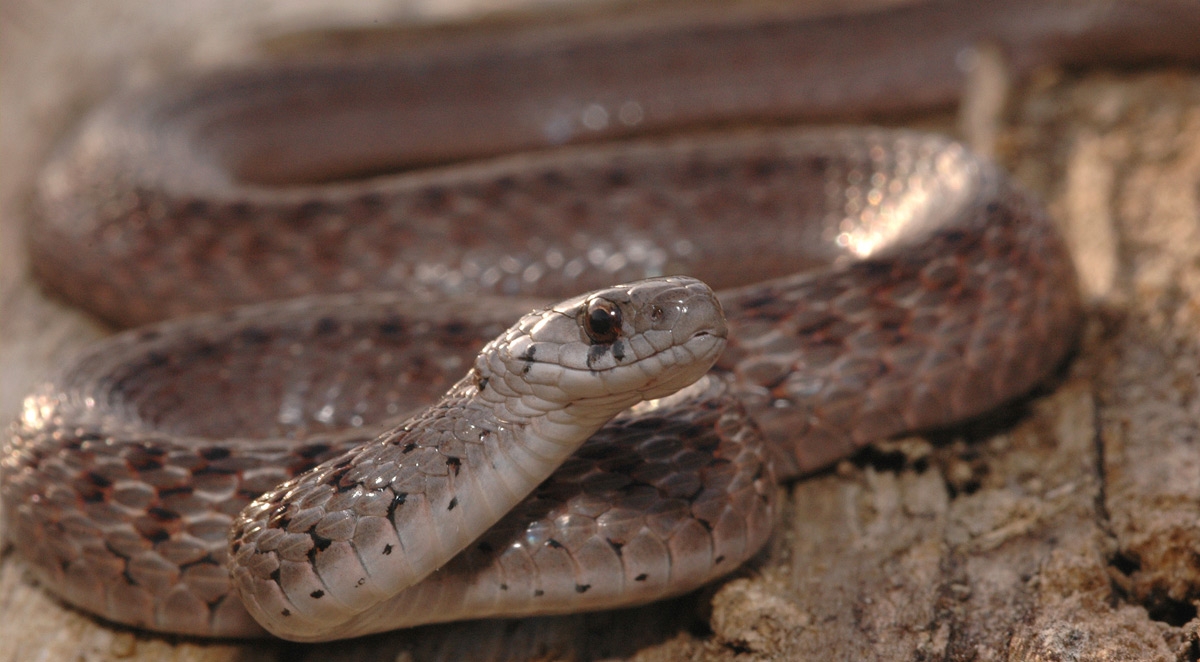
Pest control companies are mostly known for exterminating pests in your home, but many companies also provide wildlife management to remove any animals that found their way into your property. Snakes like to find dark and damp shelter in places like garages, crawl spaces, sheds, basements, and areas of tall grass. Finding them around your home or yard isn’t pleasant and risky if you provoke them.
Most snakes that you come across won’t be venomous, but it’s good practice to assume that they all are. They need to be removed as soon as possible by professional pest control or wildlife management.
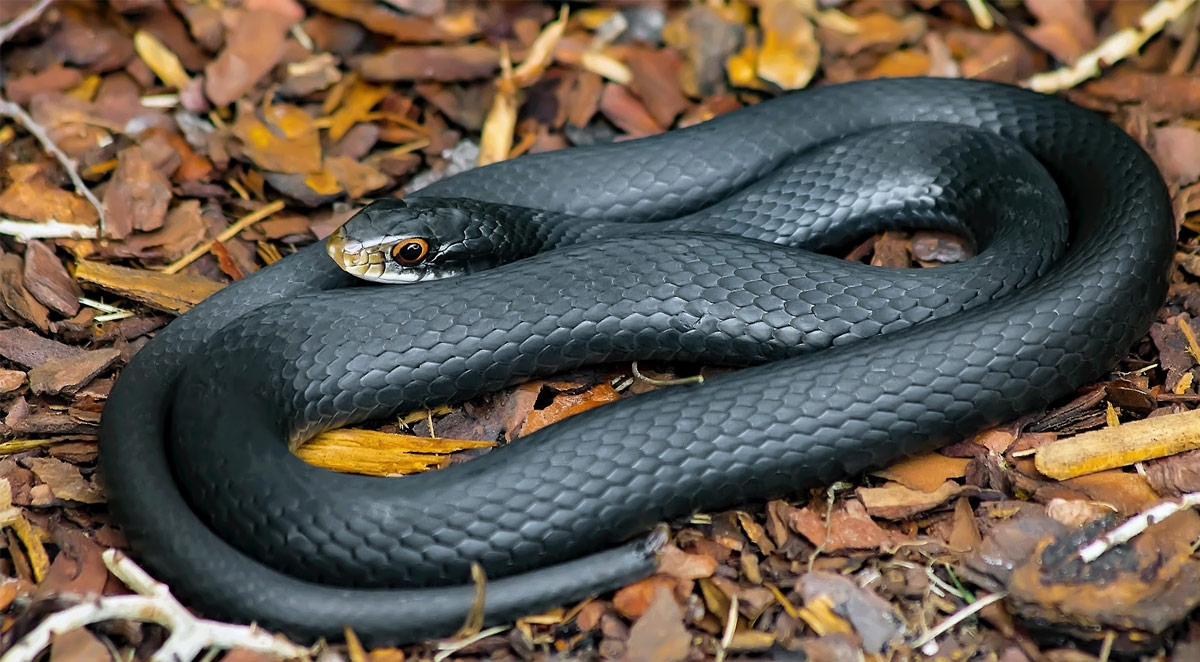
Snakes are scaly, legless, and unique creatures that slither into your yard and sometimes even your home. Some snakes can be dangerous, while others are beloved as pets. However, seeing an unwelcome snake in your yard can be troubling. Here are six ways to keep snakes out of your home and yard.
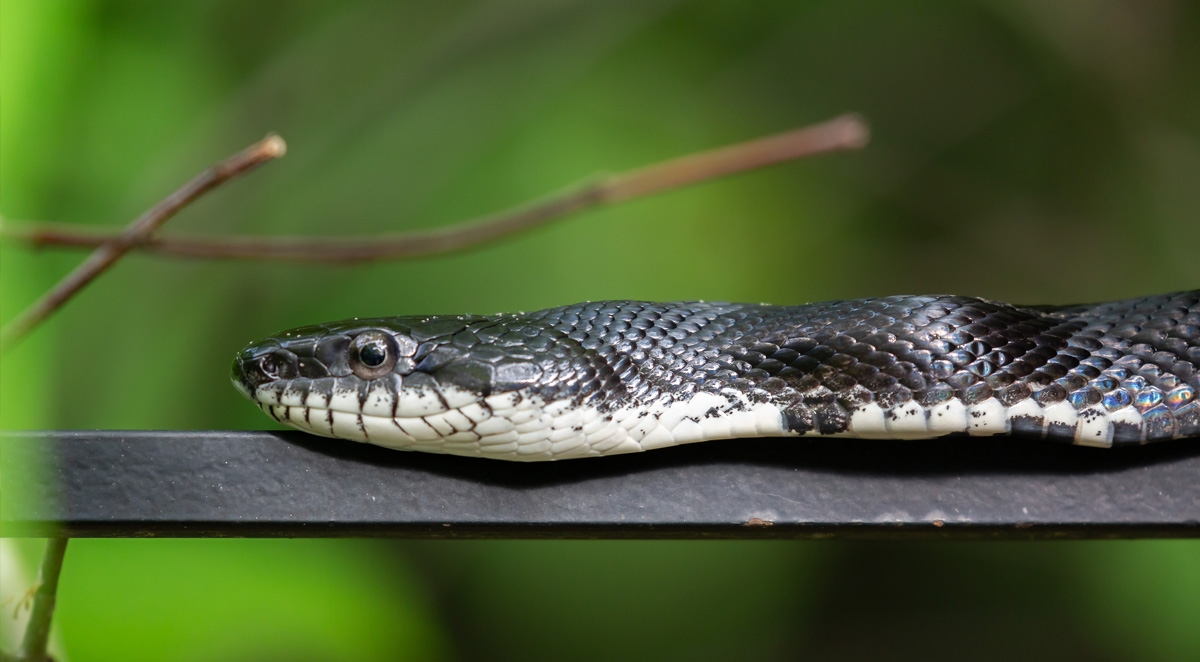
There are certain situations where you can do it yourself and exterminate pests such as bugs, ants, and cockroaches that usually don’t need a professional pest control company. But for bigger pests that cause danger and damage to your family or home, it is necessary to call an exterminator.
Snakes can easily find ways to get into your home if you have a mouse problem or dark, damp places where they can hide. We recommend always contacting a pest control specialist when you encounter a snake in your home to remove the snake safely and address the underlying problems. Here are the top three reasons why hiring a professional snake exterminator is a smart idea.
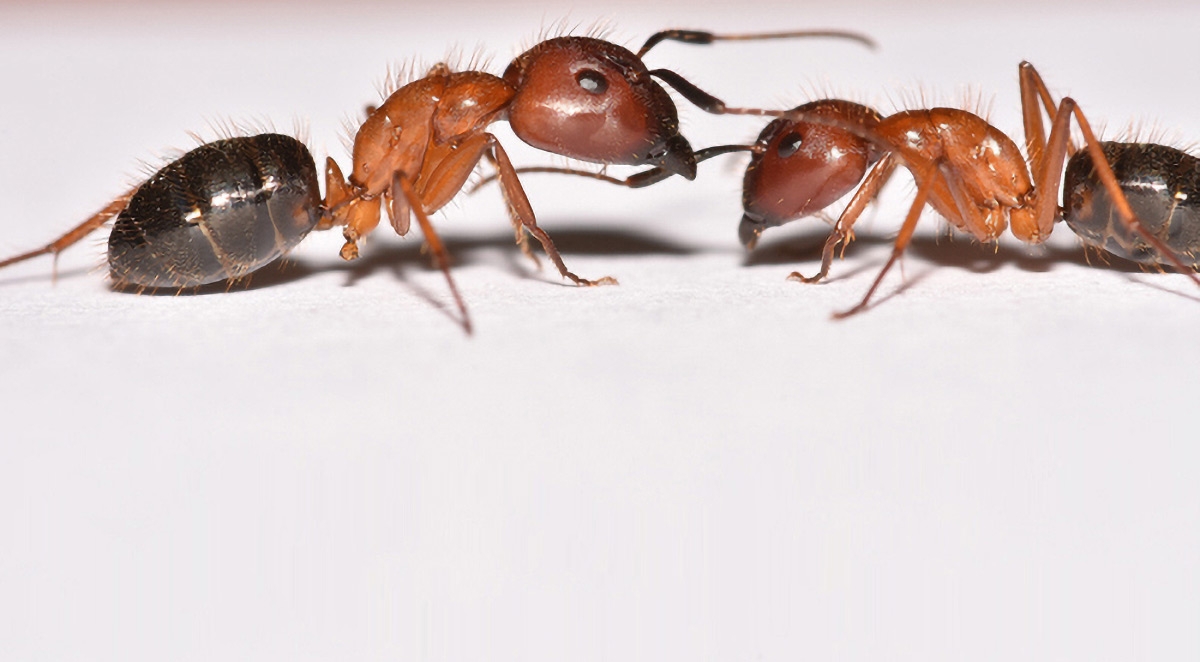
How To Get Rid of Moisture Ants
Are you spotting ants roaming freely throughout your home and finding them in moist areas? If so, you are probably battling with moisture ants. This species of ants live in damp, humid environments and are often discovered when homeowners are remodeling their homes. Moisture ants thrive in temperate rich environments prone to humidity behind walls, wet spots, and rotten materials like wood. Moisture ants are easy to spot because of their large-sized and light red/dark brown bodies. However, their hiding spots allow them to damage the structure of the home without you even knowing.
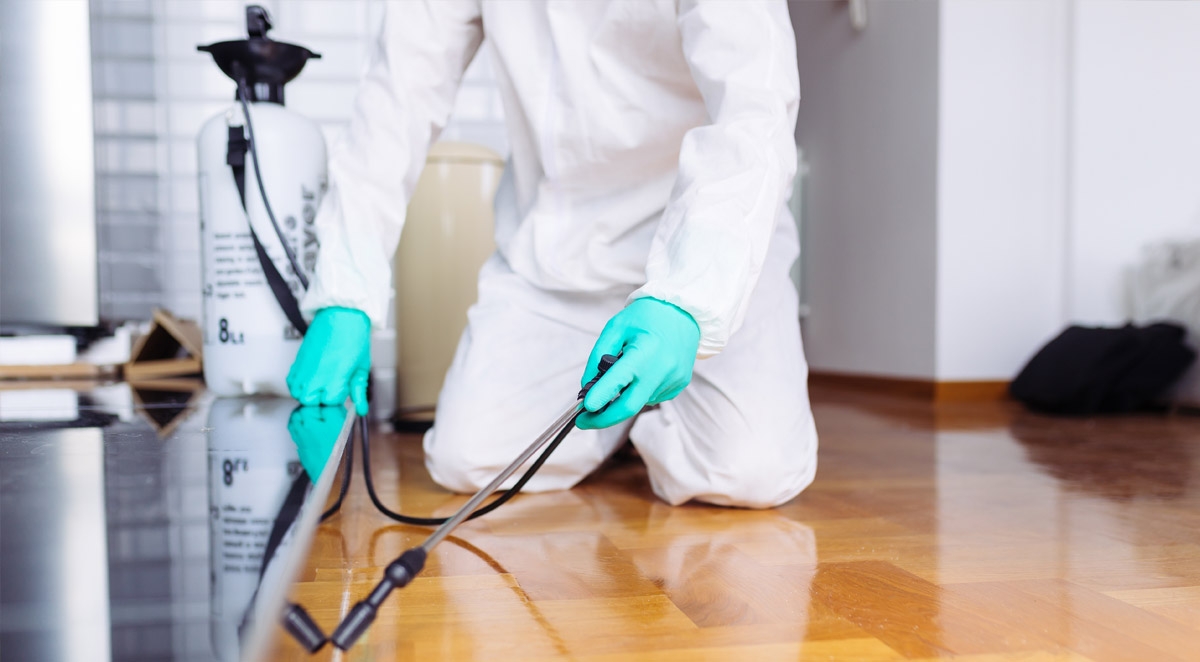
3 Things an Exterminator Does To Get Rid of an Ant Infestation
Let’s face it, we all have battled ants invading our homes. Granted, they are the top most common household pests because of their tiny bodies and sensitivity to smell, which serves as an advantage to crawl right into your cozy home. Whether you’ve got ants in the kitchen, the bathroom, or living space, getting rid of them may be easier than you think.
Before we dive into this article’s topic, we want to remind you of everything you love about living in the Carolinas or Virginia. Do you love the weather, the year-round mild temperatures, the occasional snowfall, and the way the mist rests in the valleys of the foothills? Do you love having access to the mountains and thousands of miles of hiking and mountain biking trails? Do you love the Virginia Creeper Trail, the New River Trail, and all the greenways in every small town and region? Do you love the thriving economy and welcoming thousands of new neighbors who relocate to this special place?
We wanted to remind you of those good things because in this article we’re discussing ants.
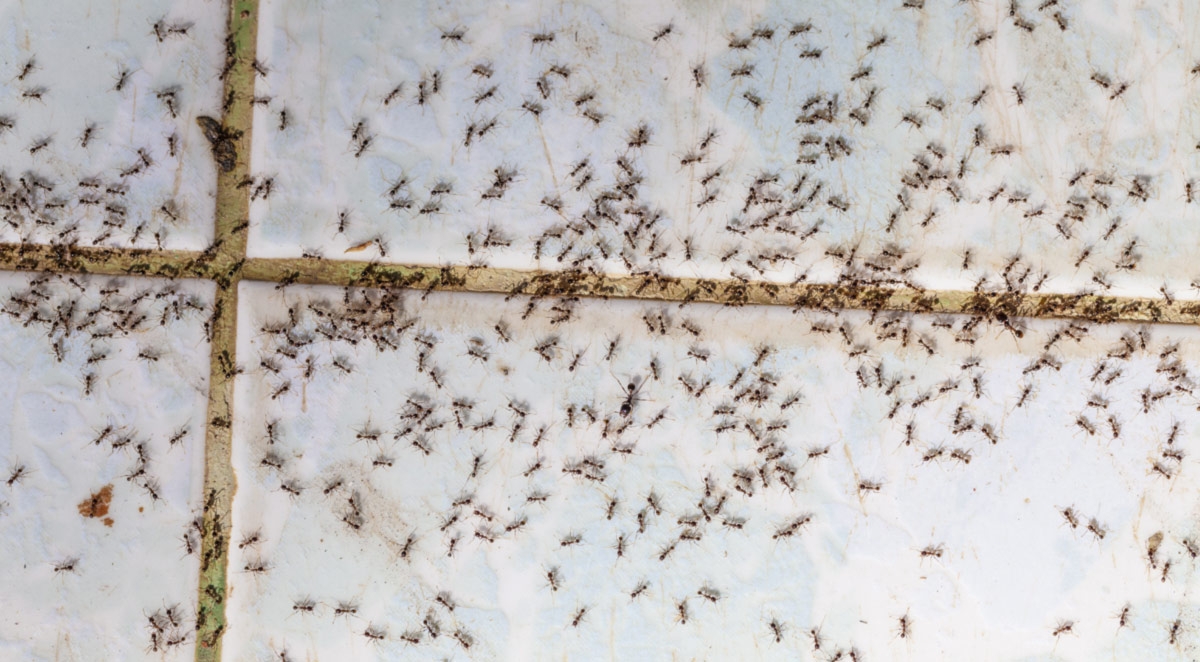
It has probably happened to you: you returned home from work or vacation to find thousands of tiny creatures have invaded your house. Maybe you poured a bowl of cereal only to find that there was a new disgusting flavor. Maybe you saw them marching through a container of muffins you thought you sealed tight. Maybe you see them crawling along your wall in a bizarre pattern, going in and out through the tiniest crack or shut window that just doesn’t quite close all the way.
Upon seeing this tiny plague, you may have gone on a smashing spree. Otherwise, you probably searched the internet or asked loved ones for every home remedy on the books. Unfortunately, ants have been doing what they do for thousands of years. They are not easily deterred. In this article, we want to help you with some solutions for how to prevent ants from invading your home and what to do when you encounter them.
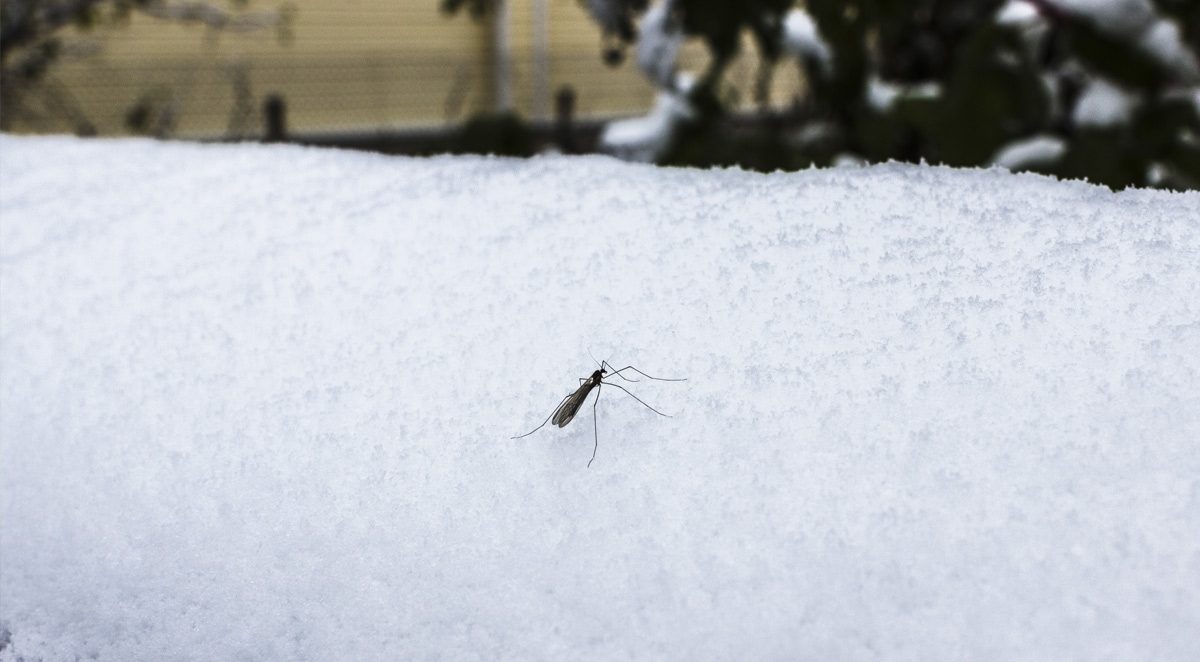
Even if you don’t love winter, it does offer a nice little break from our unofficial fifth season: Mosquito Season. Ahh, enjoy! But does cold weather really mean fewer bugs and creepy crawlies? Does it really kill pests?
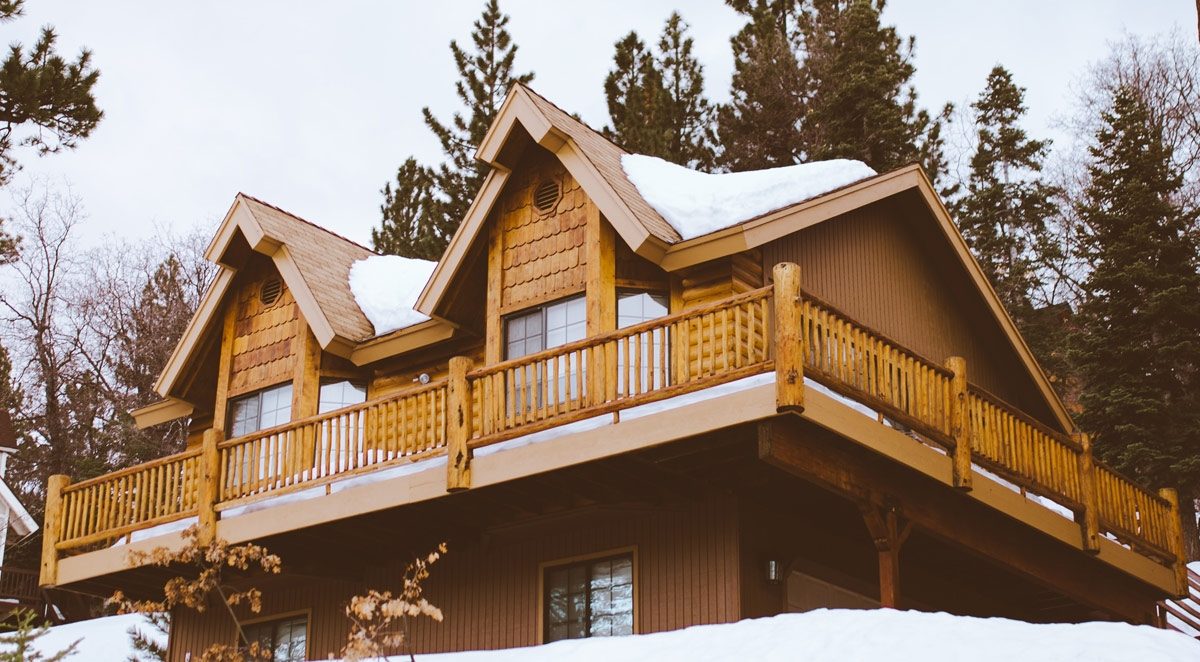
People look for signs about everything. Whether it’s searching the stars for answers to questions about big decisions in life, reading horoscopes in the paper, or simply navigating roads and highways, we rely on signs to tell us where to go and what to do.
We also pay attention to signs something bad is going to happen. A bad sign could be the change in wind patterns that indicate a storm is rolling in, or noises your vehicle makes when it needs maintenance and attention. Good or bad, certain signs beckon us to pay attention and keep our guard up.
When it comes to pest infestations, many insects are tiny and difficult to see with the naked eye. Some hide in the darkest and deepest corners of your home for years and can go virtually unnoticed. However, even the sneakiest pests often provide signs of their presence.

More and more of us want to live more sustainable, environmentally-responsible lives, and this is a commendable goal! When it comes to pest control, what does this look like? Integrated pest management is an eco-conscious approach that uses our knowledge of pest life cycles, as well as their habits of interacting with their environment, to safely and effectively manage these problem populations. It minimizes environmental impact and the hazard to people and property. Want to learn more about IPM? You’re in luck.
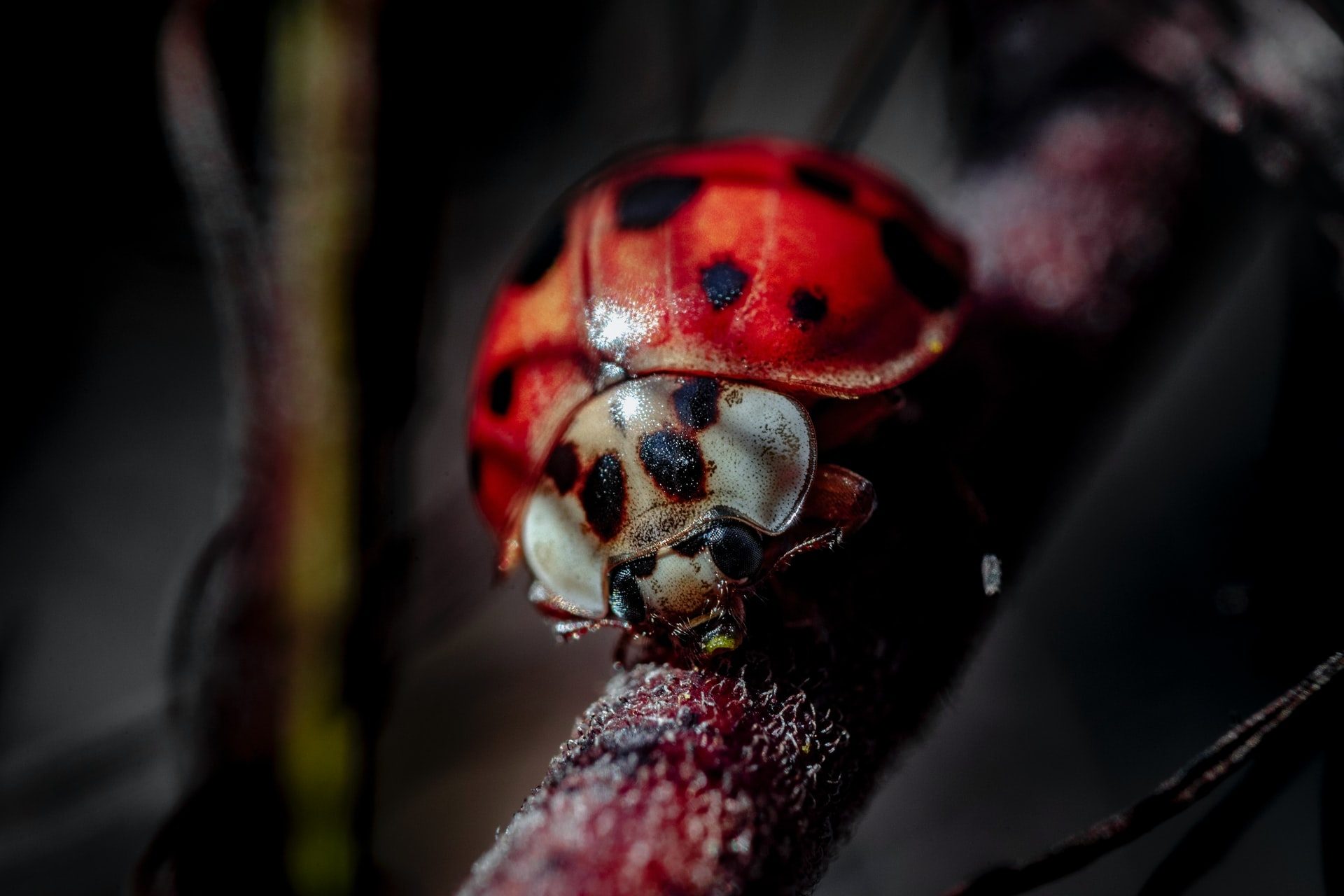
It is cold here in western North Carolina and southwest Virginia. We have already dealt with rounds of snow and ice, and the disruptions that come with winter weather. There is still a long way to go before spring.
You might be thinking, at least winter kills all the begs, creepy-crawlies, and insects; however, in our area, pests can persist at your home or business all year long. It is a myth that bugs all die or hide when the temperature drops below freezing. There are some that take the winter off, like mosquitoes, but there are others that either take their place or come out specifically for the cooler temperatures. In this article, we are helping you identify common winter pests, and helping you know what you can do to get them out of your hair.
Families throughout the Carolinas and Virginia were looking forward to the holiday season all year. It has been an unusual year. Christmas and New Year's represent a semblance of normalcy and opportunity for families to spend time together, even if many have had to forgo traditional gatherings for the sake of safety.
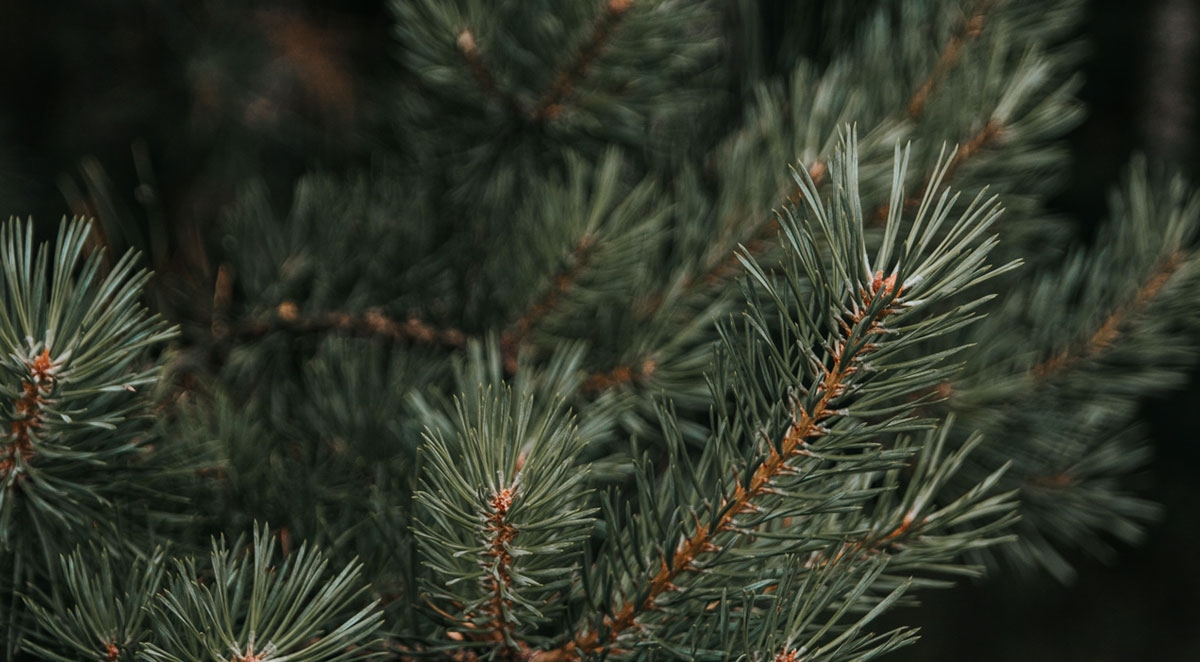
In the foothills and piedmont of North Carolina and Virginia, it is common throughout the last weeks of November and December to see vehicles with Christmas trees strapped to their roofs. This year we have seen it more than ever: as people return from their mountain excursions with their perfect trees, they are eagerly anticipating decorating them with ornaments and lights. However, few are thinking about the arrival of Christmas tree pests as part of the tree's charm.