
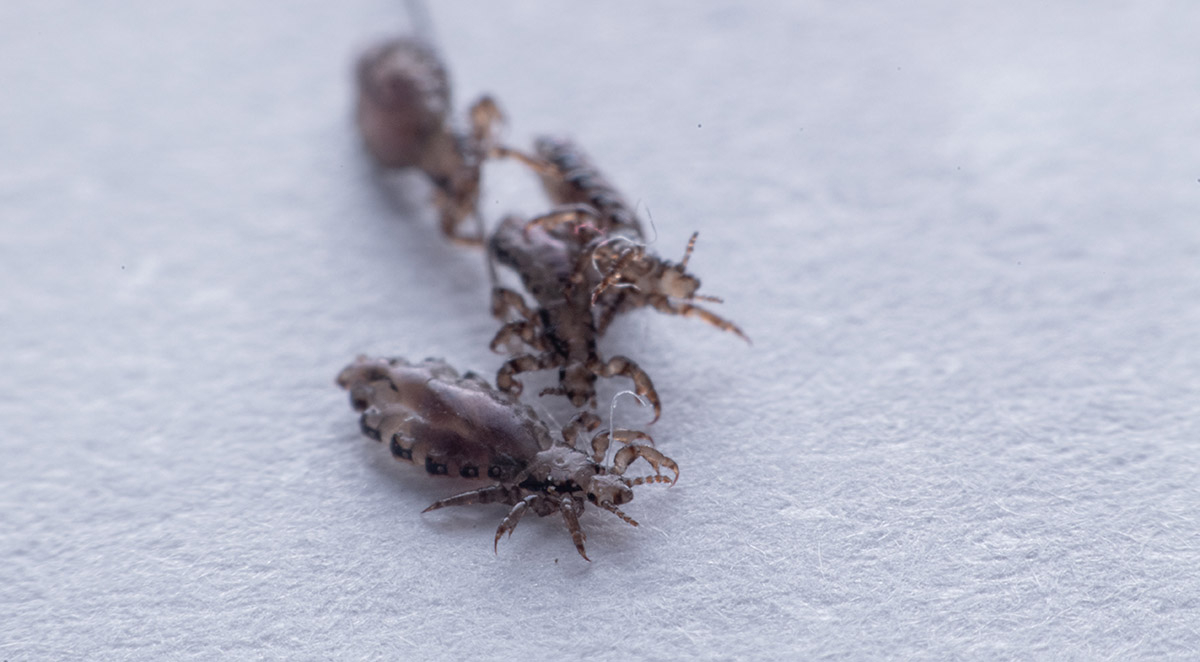
Pests Don't Actually Disappear in Winter
One of the biggest myths about seasonal pest management is that cold temperatures naturally eliminate pest populations. Many pests have evolved sophisticated survival strategies that allow them to thrive even when temperatures plummet. Rather than dying off, these creatures simply shift their behavior and seek out warm, protected environments—like your home.
Rodents become particularly aggressive in their search for shelter during winter months. Mice and rats can squeeze through openings as small as a dime, making their way into attics, basements, and wall voids where they establish nests and reproduce rapidly. A single pair of mice can produce dozens of offspring within just a few months, turning a minor intrusion into a major infestation.
Winter Pests Can Cause Serious Damage
The dangers of winter pest infestations extend far beyond discomfort. Winter pests can cause extensive property damage that results in costly repairs.
Rodents pose particular risks during winter because their constantly growing teeth drive them to gnaw on various materials:
- Electrical wiring, creating fire hazards throughout your home
- Insulation in attics and crawl spaces, reducing energy efficiency
- Wooden structural components, compromising your home's integrity
- Water pipes, potentially leading to leaks and water damage
- Stored items in basements and garages, destroying personal belongings
Insects that overwinter in your home can also create problems. Carpenter ants, though less active in cold weather, may continue causing structural damage if they've established colonies within wall voids or wooden beams.
Common Winter Pests in the Carolinas and Virginia
Understanding which pests remain active during winter months helps homeowners recognize signs of infestation and take appropriate action.
Rodents: Mice and Rats
Mice and rats top the list of winter pest concerns throughout our region. These adaptable mammals actively seek indoor shelter as outdoor food sources dwindle and temperatures drop.
Signs of rodent activity include droppings near food sources, gnaw marks on baseboards or food packaging, scratching sounds in walls or ceilings at night, and grease marks along walls where rodents repeatedly travel. These animals reproduce quickly, making early detection and professional intervention crucial.
Read our blog about effective methods for mouse control.
Spiders
Many spider species remain active throughout winter, particularly those that have made their way indoors before temperatures dropped. While most spiders provide beneficial pest control by consuming other insects, their presence can be unsettling for homeowners.For more, read our Blog post about spiders.
Cockroaches
German cockroaches and other species thrive in the warm, humid environments found inside homes during winter. These resilient pests contaminate food sources, trigger allergies and asthma, and reproduce rapidly under favorable conditions.
Overwintering Insects
Several insect species enter dormancy during winter months, often choosing protected indoor locations:
- Ladybugs frequently congregate in large numbers within wall voids, attics, and window frames
- Stink bugs seek warm indoor spaces and can emerge on sunny winter days
- Boxelder bugs cluster together in protected areas
- Cluster flies overwinter in attics and wall voids
While these overwintering insects don't typically cause structural damage, their presence can be alarming when they appear in large numbers.
Pharaoh ants and crazy ants can also maintain year-round activity in indoor environments.
Wildlife
Larger pests like squirrels, raccoons, and bats also seek shelter in homes during winter. These animals can cause significant damage while creating noise disturbances and potential health hazards. At Rid-A-Bug, we specialize in humane wildlife removal.
Winter Pest Prevention Strategies
Effective winter pest prevention combines multiple approaches to create an inhospitable environment for unwanted visitors.
Seal Entry Points
Thorough inspection and sealing of potential entry points forms the foundation of winter pest control. Focus your attention on these vulnerable areas:
- Gaps around pipes, wires, and utility lines entering your home
- Cracks in foundation walls and mortar between bricks
- Damaged or missing weatherstripping around doors and windows
- Gaps where siding meets the foundation
- Openings around dryer vents, exhaust fans, and air conditioning units
- Chimney caps that are damaged or missing
- Roof vents without proper screening
Use appropriate materials for sealing—steel wool combined with caulk works well for small gaps, while expanding foam insulation suits larger openings.
Maintain Your Property
Regular property maintenance creates conditions that discourage pest activity throughout winter months:
- Trim tree branches and shrubs away from your home's exterior
- Remove leaf piles, fallen branches, and other debris
- Store firewood at least 20 feet from your home and elevated off the ground
- Keep gutters clean and ensure proper drainage
- Repair damaged screens on windows, doors, and vents
- Replace worn weatherstripping and door sweeps
Control Moisture
Many winter pests require moisture to survive, making moisture control essential:
- Fix leaky faucets, pipes, and appliances promptly
- Ensure proper ventilation in bathrooms, kitchens, and laundry areas
- Use dehumidifiers in damp basements and crawl spaces
- Repair roof leaks and address ice dam issues
- Maintain proper grading around your home's foundation
Consider crawl space encapsulation for comprehensive moisture control. This service creates a dry environment that discourages termites and other moisture-dependent pests while improving your home's energy efficiency.
Practice Good Sanitation
Winter pest control requires consistent attention to cleanliness and food storage:
- Store food in airtight containers made of glass, metal, or heavy plastic
- Clean up spills and crumbs immediately
- Take out garbage regularly using cans with tight-fitting lids
- Avoid leaving pet food out overnight
- Clean behind and under appliances regularly
The Value of Professional Winter Pest Control
While homeowners can implement many preventive measures independently, professional pest management provides comprehensive protection that DIY efforts cannot match.
Expertise and Experience
Pest management professionals understand pest biology, behavior patterns, and the most effective control methods for each species. At Rid-A-Bug, our technicians receive extensive training and maintain state registration for pest management. With over 50 years of experience serving North Carolina, South Carolina, and Virginia, we've developed deep knowledge of regional pest challenges.
Integrated Pest Management
Professional pest control services employ Integrated Pest Management principles that prioritize long-term prevention over reactive treatments. This approach combines biological, cultural, mechanical, and chemical control methods while emphasizing natural pest control and minimizing pesticide use.
IPM strategies focus on making your home less attractive and accessible to pests through environmental modifications, exclusion techniques, and targeted treatments only when necessary.
Comprehensive Inspections
Professional pest inspections uncover hidden problems that homeowners often miss. Trained technicians know where to look for pest activity, entry points, and conditions that favor infestations. Regular inspections throughout winter months ensure that any pest activity receives prompt attention.
Safe, Effective Treatments
When treatments become necessary, professional pest management ensures proper product selection, application, and safety. Licensed technicians understand which products work best for specific pests and how to use LEED certified products when appropriate.
Special Considerations for Winter Pest Control
Winter pest management requires attention to specific challenges that arise during cold weather months.
Heating System Checks
As heating systems work overtime during winter, they create warm environments that attract pests. Have your HVAC system inspected and maintained regularly, checking for pest activity in ductwork and around heating equipment.
Attic and Crawl Space Monitoring
These spaces provide ideal overwintering sites for numerous pest species. Regular monitoring helps detect activity early, when interventions are most effective. Professional inspections can identify problems in hard-to-access areas.
Firewood Management
Many homeowners bring firewood indoors during winter without realizing it may harbor dormant insects. Only bring in wood you'll burn immediately, inspect it carefully before bringing it inside, and never store large quantities of firewood indoors.
Protecting Your Home Year-Round
Effective winter pest control forms part of a comprehensive, year-round pest management strategy. Consistent pest management prevents problems from developing and addresses issues when they're small and manageable. Regular professional service provides continuous monitoring, seasonal treatments appropriate to pest activity patterns, and rapid response when unexpected problems arise.
Frequently Asked Questions About Winter Pest Control
Do I really need pest control during winter months?
Yes, winter pest control remains essential even when temperatures drop. Many pests actively seek indoor shelter during cold weather, making winter an especially vulnerable time for infestations. Rodents become aggressive in their search for warm environments and food sources.
What are the most common winter pests in our region?
The most common winter pests include mice, rats, cockroaches, spiders, and various overwintering insects like ladybugs and stink bugs. Wildlife such as squirrels, raccoons, and bats also frequently seek shelter in homes during winter months.
How can I tell if I have winter pests in my home?
Signs of winter pest activity include droppings near food sources, gnaw marks on food packaging or structural components, scratching sounds in walls or ceilings, grease marks along baseboards, and visible pests or pest evidence. If you notice any of these signs, contact a professional pest management company.
Contact Rid-A-Bug for Winter Pest Control
Don't let winter pests compromise your home's comfort, safety, and structural integrity. Rid-A-Bug Exterminating has served the Carolinas and Virginia since 1972, providing professional pest management services that protect homes throughout every season.
For more information about our winter pest control services or to schedule an inspection, please visit our contact page.
Our comprehensive services include termite management, pest and insect control, mosquito management, bed bug treatment, wildlife removal, and crawl space encapsulation. We offer same-day service, maintain full licensing and insurance, and employ state-registered technicians.