
Quick Summary
Yadkin County's humid climate and rural landscape support pest activity in every season. Spring brings termite swarms and ant colonies. Summer means mosquitoes, wasps, fleas, and ticks. Fall drives stink bugs, spiders, and rodents indoors. Winter pests like mice, cockroaches, and overwintering insects seek warmth inside your home. Year-round prevention and professional pest management are the most effective ways to protect your property.
Spring in Yadkin County (March Through May)
Spring is when pest activity ramps up dramatically. Warming temperatures and frequent rain create the moisture-rich conditions that many insects need to reproduce and establish colonies.
The pests to watch for in spring include:
- Termites: Eastern subterranean termites are the most significant structural threat to homes in the NC foothills and Piedmont. Termite swarms typically appear on warm days after a rain, and swarmers are often mistaken for flying ants. If you see small winged insects near windows or doors, it's worth having the situation evaluated by a professional. Termite damage can go undetected for years and compromise the integrity of your home's structure.
- Ants: Several ant species become active in spring, including carpenter ants, sugar ants, and pharaoh ants. Carpenter ants are a particular concern because they nest in moist or damaged wood and can cause structural issues over time.
- Wasps and bees: Queen wasps emerge from overwintering sites in early spring and begin building new nests. Early detection and removal are much easier than dealing with a fully established colony later in the summer.
Spring is also an excellent time to schedule a termite inspection or a Wood-Destroying Insect Report (WDIR), especially if you're buying or selling a home in Yadkin County.
Summer in Yadkin County (June Through August)
Summer means long, hot days and high humidity, and that combination fuels peak pest activity. This is the season when outdoor pests are at their most aggressive and indoor infestations can accelerate.
Key summer pests include:
- Mosquitoes: Yadkin County's creeks, farmland, and low-lying areas provide ideal breeding grounds. Mosquitoes can develop from egg to adult in as little as 10 to 14 days and are known to spread diseases like West Nile virus and Zika. Eliminating standing water and scheduling professional mosquito management treatments can make a significant difference.
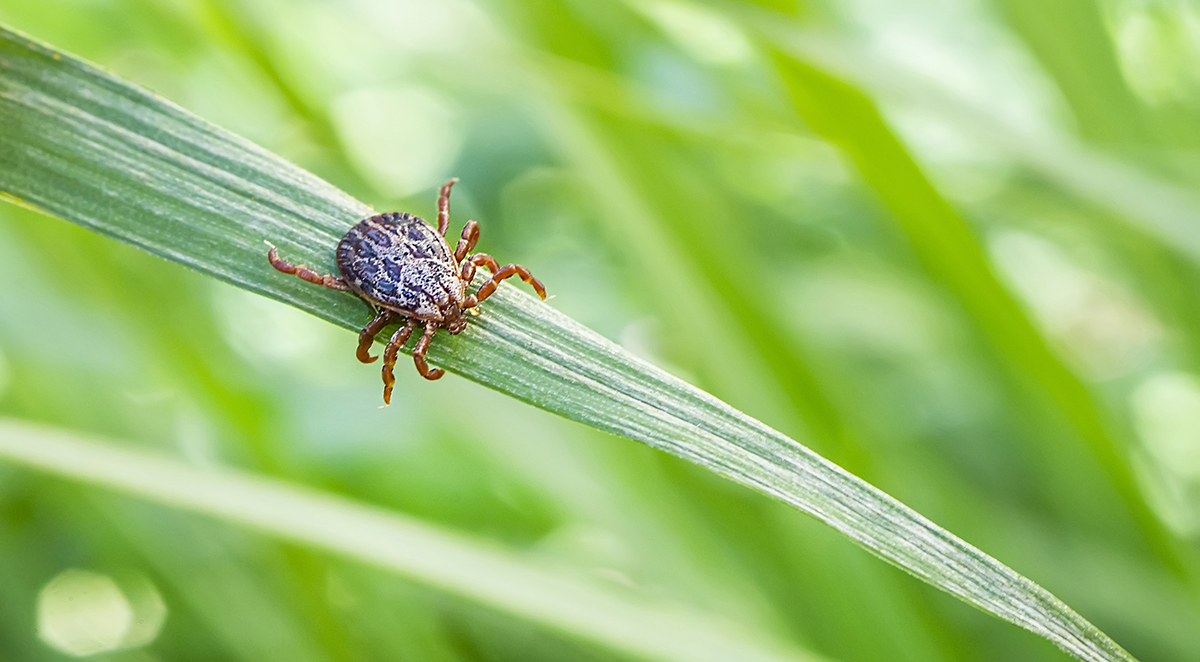
- Ticks and fleas: Both thrive in tall grass, wooded edges, and areas where pets and wildlife frequent. Ticks can transmit Lyme disease, Rocky Mountain spotted fever, and other illnesses, making yard treatments and pet protection essential during summer months.
- Wasps and hornets: Colonies reach peak size in mid to late summer. Nests can appear under eaves, in attic spaces, within ground burrows, or on porch ceilings. Attempting to remove an established nest without professional help can be dangerous.
- Flies and fruit flies: Warm weather and open doors bring flies indoors. Fruit flies are especially persistent in kitchens where produce is left out.
- Bed bugs: Summer travel season often leads to bed bug introductions. These pests hitchhike on luggage and used furniture. If you suspect bed bugs, acting quickly is critical since they multiply rapidly.
For more, read our blog on eight summer pests and how to avoid them.
Fall in Yadkin County (September Through November)
As temperatures begin to drop across Yadkin County, pests don't simply disappear. Many species shift their behavior, moving from outdoor habitats into the warmth and shelter of your home. Fall is a critical time for pest prevention.
Common fall pests in include:
- Stink bugs: Brown marmorated stink bugs are one of the most recognizable fall invaders. They gather on south-facing exterior walls to absorb heat and squeeze through tiny gaps in siding, around windows, and under doors.
- Spiders: Spider activity often seems to increase in fall, partly because many species are reaching maturity and becoming more visible. While most North Carolina spiders are harmless, brown recluse and black widow spiders do live in the region and should be taken seriously.
- Mice and rodents: As nights get cooler, mice and rats begin looking for warm shelter, food, and water indoors. They can squeeze through gaps as small as a dime and quickly establish nests in wall voids, attics, and crawl spaces. Beyond the nuisance factor, rodents can chew wires, contaminate food, and spread disease.
- Cockroaches: Roaches become more noticeable in fall as they seek indoor warmth and moisture. They reproduce quickly and can trigger allergy and asthma symptoms.
Fall is the best time to seal entry points before winter pests settle in. Check your home for these vulnerabilities:
- Gaps around pipes, wires, and utility entries
- Cracks in your foundation or siding
- Damaged or missing weatherstripping on doors and windows
- Uncapped chimneys or open attic vents
- Cluttered storage areas in garages, basements, and crawl spaces
Winter in Yadkin County (December Through February)
Many homeowners assume pest pressure eases once the cold arrives, but winter pests are a real and often underestimated concern. While outdoor insect activity declines, the pests that have already moved indoors continue to thrive in the warmth of your home.
The most common winter pests in Yadkin County include:
- Mice and rats: Rodents that found their way inside during fall will remain active all winter. They nest in insulation, wall cavities, and attic spaces, and their gnawing habits can damage electrical wiring and plumbing.
- Cockroaches: German cockroaches, in particular, are year-round indoor pests that flourish in warm kitchens and bathrooms.
- Spiders: Many overwintering spiders stay active indoors throughout the colder months, especially in undisturbed areas like closets, storage rooms, and crawl spaces.
- Termites: While termite swarms are less common in winter, subterranean termites remain active below the frost line and can continue feeding on your home's structure year-round. Indoor swarms during winter months may indicate an established colony within the home itself.
- Wildlife: Squirrels, raccoons, bats, and opossums often take up residence in attics, crawl spaces, and wall voids during winter. These animals can cause structural damage, leave waste, and create noise issues.
Winter pest control also involves long-term prevention strategies. Crawl space encapsulation is one of the most effective steps homeowners can take to control moisture, which reduces conditions that attract termites, cockroaches, and other moisture-dependent pests while also improving energy efficiency.
Read our blog about 10 Ways you are attracting pests into your home.
Year-Round Prevention Tips
Regardless of the season, consistent prevention habits are your strongest defense against pest problems. Here are steps that make a difference all year long:
- Keep your kitchen clean and store food in sealed containers
- Take out garbage regularly and use bins with tight-fitting lids
- Reduce moisture by fixing leaking faucets, pipes, and ensuring proper drainage
- Trim tree branches and shrubs that touch or overhang your home
- Store firewood at least 20 feet from your home's exterior
- Schedule routine professional pest inspections to catch problems early
Frequently Asked Questions
What are the most common winter pests in Yadkin County?
The most common winter pests in Yadkin County are mice, rats, cockroaches, spiders, and overwintering insects like stink bugs. Wildlife such as squirrels, raccoons, and bats also frequently seek shelter in homes during colder months. Scheduling a winter pest control inspection can help identify and address any issues before they become established problems.
How often should I schedule pest control?
For most Yadkin County homes, quarterly pest management visits provide consistent protection throughout the year. However, homes with specific concerns like active termite risk, ongoing moisture issues, or heavy wildlife pressure may benefit from more frequent service. Contact Rid-A-Bug to discuss the best plan for your situation.
Is pest control really necessary during the winter months?
Yes. Many pests remain active indoors throughout the winter, and some of the most damaging pests, including termites and rodents, don't take a seasonal break. Winter pest control focuses on addressing the pests that have already moved inside, sealing entry points, and managing moisture to reduce future infestations.
Your Local Pest Control Partner
Rid-A-Bug Exterminating has been serving Yadkin County and surrounding communities since 1972. As a family-owned company based in nearby Wilkes County, Rid-A-Bug understands the specific pest pressures that homes in this region face. All technicians are state-registered, and the company holds certifications from the North Carolina Department of Agriculture, the National Pest Management Association, and the NC Pest Management Association.
Whether you're dealing with a current pest problem or want to set up a year-round prevention plan, contact Rid-A-Bug to schedule an inspection. Same-day service is available, and weekend and evening appointments can be arranged.