Rid-A-Bug Exterminating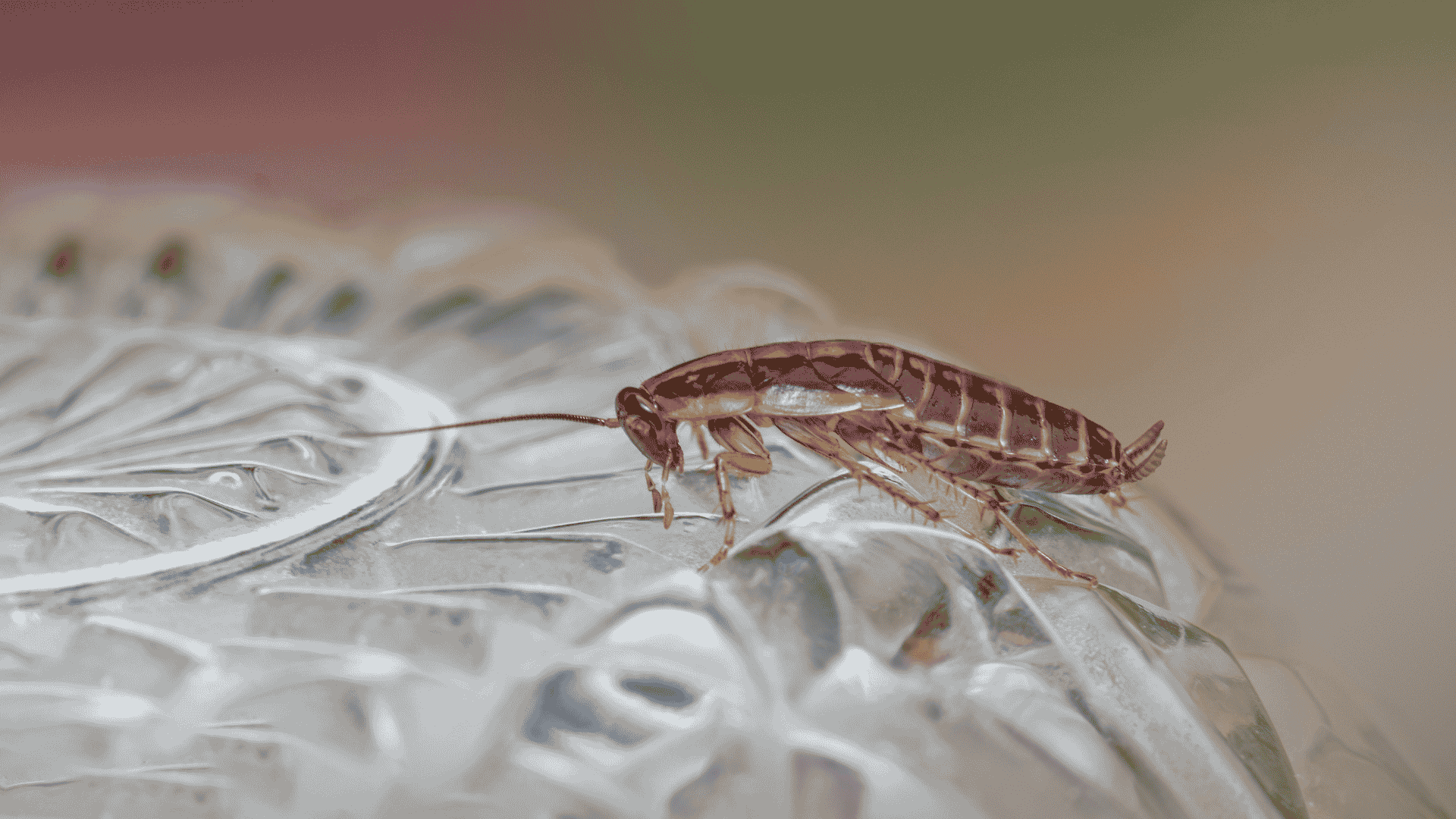 has served the Ashe County region since 1972. We are family owned and operated, based in Wilkes County, licensed in North Carolina, South Carolina, and Virginia, with a staff of more than 45 pest management professionals covering the mountains and foothills.
Pests in the High Country
Rural mountain counties present a specific combination of conditions, and understanding it is most of the work:
- Working agricultural land. Tree farms, pasture, cattle and poultry operations, and hay fields support strong rodent, tick, and wildlife populations that move toward heated buildings when weather turns.
- Forest and river edges. Properties bordering hardwood stands or the New River watershed sit directly in wildlife corridors.
- Cold, snowy winters. Freezing temperatures do not eliminate pests. They redirect them indoors earlier and hold them there longer, which is why the first mouse often shows up in October and the last stink bug in April.
- Older housing stock and open crawl spaces. Stone foundations, unsealed crawl spaces, and settled framing leave gaps that mice can use at a quarter inch.
- Storm and flood history. The flooding that followed Hurricane Helene left lingering moisture damage in many structures across the mountains, and damp wood attracts a completely different set of insects than dry wood does.
- Tourism and seasonal properties. Visitor traffic and rental turnover are how bed bugs travel, and vacant seasonal homes give pests months of uninterrupted access.
Pests We Treat Most Often
- Mice and rats in crawl spaces, attics, pantries, and wall voids
- Squirrels, raccoons, opossums, and bats nesting in attics, barns, and outbuildings
- Ants, including sugar ants and moisture ants, trailing through kitchens and baths
- Termites and other wood-destroying insects working quietly on structural lumber
- Ticks in yards bordering pasture, brush, or woodland
- Mosquitoes breeding in standing water near creeks, ponds, and low ground
- Spiders, cockroaches, earwigs, centipedes, and silverfish following moisture indoors
- Wasps and hornets nesting in eaves, gable vents, and porch ceilings
- Cluster flies and stink bugs overwintering in attics and reappearing on warm days
- Snakes on properties with heavy ground cover, rock walls, or open outbuildings
Services Available
- Pest and Insect Management. Ongoing or one-time treatment for ants, roaches, spiders, fleas, ticks, flies, moths, beetles, earwigs, centipedes, and more. If your pest is not on the list, call anyway. After five decades, we can usually help.
- Termite Management. Preventive treatment and active infestation control using Termidor, a non-repellent product that termites carry back through their own colony.
- Wood-Destroying Insect Report (WDIR). Required by law on residential and commercial properties being sold or refinanced. Our accredited inspectors deliver honest reports and distribute documentation to all necessary parties.
- Wildlife Management. Humane removal and relocation of squirrels, rodents, raccoons, opossums, bats, snakes, foxes, and other nuisance animals. We have an NC Wildlife Damage Control Agent on staff.
- Mosquito Management. Treatment that targets mosquitoes at the source, plus help identifying and eliminating breeding sites on your property.
- Bed Bug Management. Prompt inspection and treatment that is safe for your household and lethal to bed bugs.
- Cockroach Management. Targeted control for home kitchens and commercial food service environments.
- Crawl Space Encapsulation and Waterproofing. Closing and drying a crawl space reduces conditions that attract pests, improves indoor air quality, and can save up to 18 percent per year on heating and cooling costs.
- TAP Insulation Installation. Thermal, Acoustical, and Pest Control insulation for attics and crawl spaces. It lowers energy consumption, controls moisture and organic growth, absorbs sound, and helps keep pests out. We are a certified installer.
- Emergency Wildlife Response. When an animal is inside your home right now, getting to you becomes a priority.
How a Service Call Works
- Call 1-800-682-5901. Same-day service is available in many cases, or typically within 24 hours. We schedule weekend and evening appointments and offer after-hours emergency response.
- Describe what you are seeing. Sounds, droppings, damage, bites, sightings, and timing help us dispatch the right technician with the right equipment.
- We inspect the property. A state-registered technician examines the interior, exterior, entry points, moisture conditions, and any structural areas relevant to the issue.
- You get a plan in plain language. We explain what we found, what caused it, and what we recommend, whether that is a bait system, ongoing maintenance, exclusion work, or a LEED certified product.
- We treat and exclude. Removing pests is half the job. Sealing the way in is what prevents a repeat.
- We follow up. Warranties are available for retreatment and, in some cases, damage repair. Recurring pressure is best handled on a maintenance schedule.
Integrated Pest Management, Not Blanket Spraying
Our plans are built around Integrated Pest Management, which the EPA describes as prevention, monitoring, and targeted intervention rather than routine broad chemical application. That means identifying the pest correctly, correcting the conditions that invited it in, and using the least aggressive effective treatment.
This approach matters especially in a county where many households rely on well water and where gardens, livestock, and tree crops often sit within a few hundred feet of the house. It also produces better long-term outcomes. Pests exposed to one repeated chemical develop resistance across generations, while a layered strategy does not give them that opening. LEED certified treatment options are available, and we take pollinator protection seriously in how and where products get applied.
Moisture Is Usually the Root Cause
Most recurring pest problems in mountain homes trace back to water or to a gap in the building envelope. A damp crawl space invites moisture ants, roaches, centipedes, and the wood-destroying insects that follow softened lumber. An unscreened gable vent invites squirrels, bats, and overwintering flies.
We work both ends of the structure. Crawl space encapsulation and waterproofing create an environment that does not support organic growth or pest activity. Pest-resistant attic insulation adds a barrier while cutting energy costs. If rodents have already been in your attic, insulation replacement is usually necessary regardless, since contaminated material loses R-value and holds odor that draws the next animal in.
Farms, Rentals, and Commercial Properties
We serve restaurants, retail spaces, offices, lodging, rental properties, and agricultural outbuildings with the same technicians and standards as residential work. For short-term rentals and guest accommodations, bed bug inspection and a documented treatment history protect both your reviews and your revenue. For food service, recurring cockroach and fly programs keep you ahead of inspections rather than reacting to them. For outbuildings and equipment storage, rodent control protects wiring and stored inputs.
Towns and Communities We Serve
Rid-A-Bug covers Ashe County from the county seat to the ridgelines. Our technicians work throughout Jefferson and West Jefferson, where downtown storefronts, historic homes, and newer subdivisions each bring their own pest pressures. We also serve Lansing, Warrensville, Crumpler, Scottville, and Grassy Creek, communities where older farmhouses and outbuildings often invite rodents and overwintering insects.
Our coverage also extends into neighboring Alleghany and Watauga counties and north into Virginia. If you do not see your community listed, reach out anyway. Chances are good we already have a truck nearby.
Frequently Asked Questions
Do rural mountain properties really need ongoing pest control?
Often more than suburban ones. Proximity to pasture, tree farms, and forest means constant pressure at the perimeter, and cold winters actively push rodents and wildlife toward heated structures. Prevention on a schedule costs considerably less than emergency response plus repair.
Are termites a concern at this elevation?
Termites are present across North Carolina, and any structure with wood in soil contact or persistent moisture carries risk. Because the damage is usually structural before it becomes visible, preventive treatment and periodic inspection are the sensible path. A WDIR is separately required whenever a property is sold or refinanced.
How quickly can a technician get out to me?
Same-day service is available in many cases and otherwise typically within 24 hours, even in the more remote parts of the county. Weekend, evening, and after-hours emergency appointments are available.
Will you kill wildlife found in my home?
No. Our staff is trained in humane removal and relocation, and we have an NC Wildlife Damage Control Agent on the team. We also address the entry point, because an open access route simply attracts the next occupant.
Can you treat near gardens, livestock, and tree crops?
Yes, and this is exactly where Integrated Pest Management earns its keep. We select products and placement with adjacent crops, animals, water sources, and pollinators in mind, and LEED certified options are available.
What does treatment cost?
Pricing depends on the pest, the size and condition of the property, and whether the work is one-time or ongoing. Contact us or call 1-800-682-5901 and we will give you accurate numbers once we understand the situation.
Ready When You Are
You should not have to share your home, farm, or business with mice, termites, roaches, or anything else that let itself in. Whether something is active today or you want to keep it from starting, we will inspect, explain what we find, and handle it.
Call Rid-A-Bug Exterminating at 1-800-682-5901 or request an inspection through our contact page. When we appear, bugs disappear.