
Rid-a-Bug Exterminating Blog
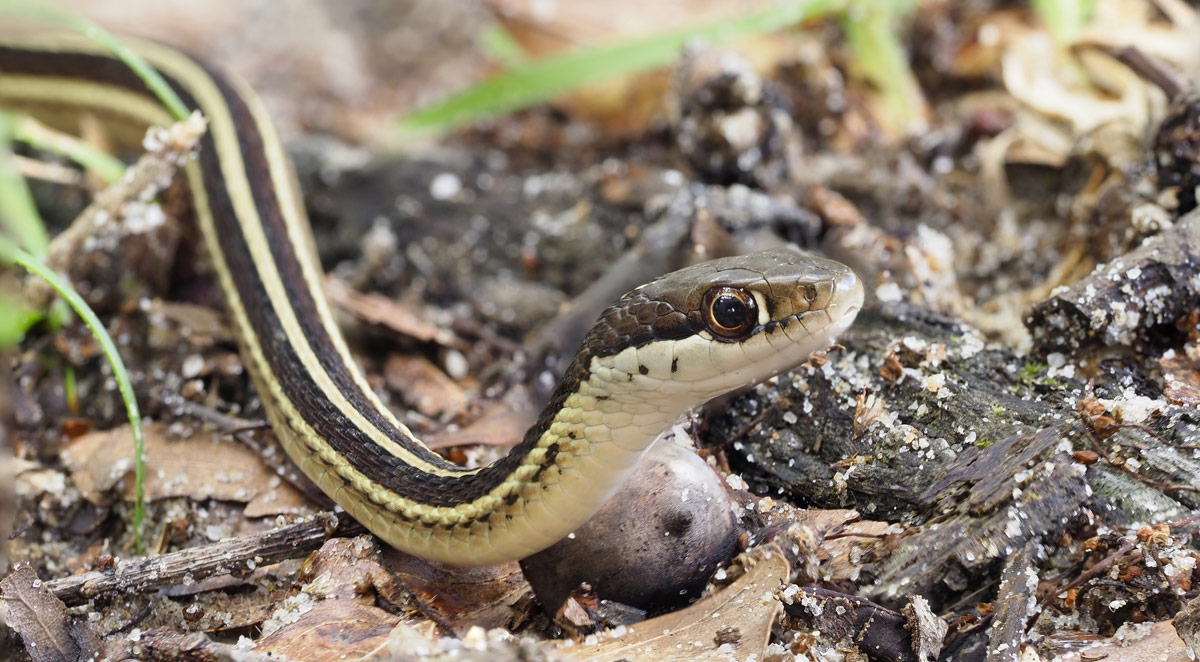
As temperatures rise and outdoor activities increase, many homeowners in North Carolina, Virginia, and South Carolina find themselves wondering about the slithering neighbors that might be sharing their property. Understanding snake habitats is the first step in effective snake prevention and control. While snakes often trigger fear, they play important roles in our ecosystem – but that doesn't mean we want them taking up residence in our yards, gardens, or homes.
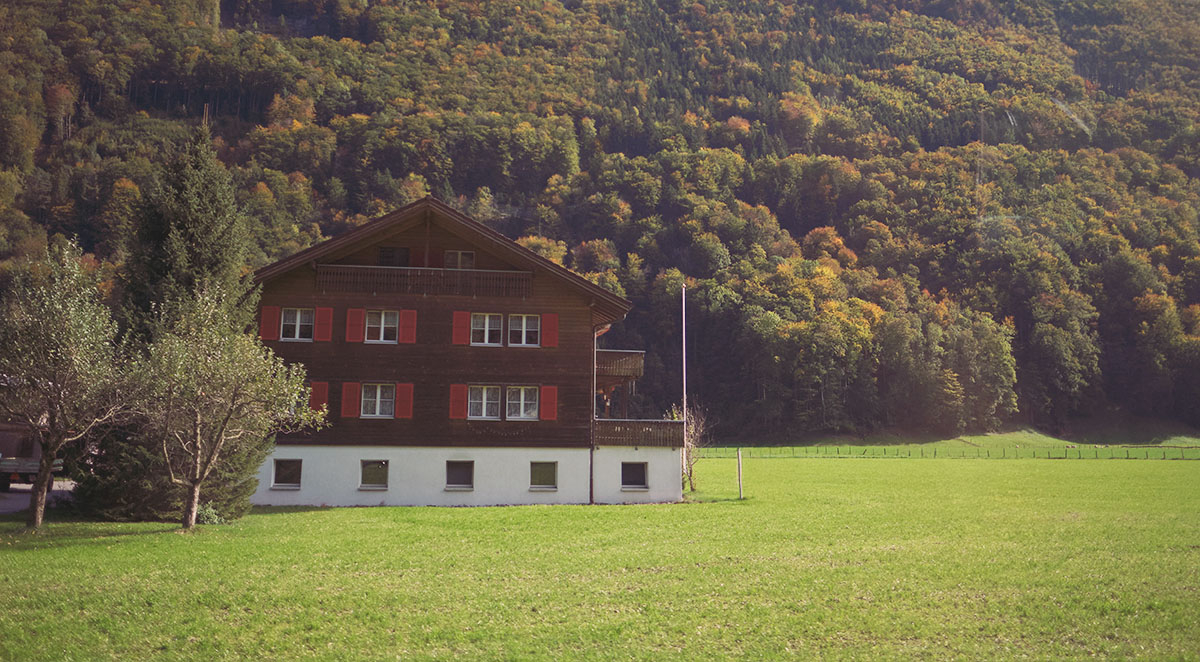
Living in the beautiful Appalachian Mountains offers stunning views, peaceful surroundings, and a connection to nature that's hard to find elsewhere. However, mountain homeownership comes with unique challenges, including pest control concerns that differ significantly from those in flatter regions. Termites, in particular, pose special threats to mountain properties in areas like Boone, Blowing Rock, and other mountainous regions throughout North Carolina, Virginia, and South Carolina.
The combination of moisture patterns, temperature variations, construction methods, and the prevalence of wood in mountain homes creates a perfect storm of conditions that termites find attractive. Understanding these unique challenges is the first step toward protecting your mountain investment from these destructive pests.

As awareness of environmental issues continues to grow, many homeowners and businesses are seeking greener, safer alternatives in their daily lives—including pest control. Eco-friendly pest control methods offer a sustainable approach to managing pests, focusing on protecting both people and the planet. However, as with any solution, these methods come with their own set of advantages and challenges.

Winter in the Carolinas and Virginia is marked by both mild temperatures and cold snaps. Winter can bring crisp days and chilly nights, especially in the higher elevations of western North Carolina and southwest Virginia.
Snowfall occasionally blankets the landscape, creating a picturesque scene that invites outdoor activities like snowboarding and skiing. However, the winter months also see a mix of rainy and warmer days, allowing for a diverse range of outdoor experiences.
Despite the colder weather, life continues to thrive in our area. The winter months showcase the beauty of evergreen trees, providing a stark contrast to the occasional snowfall. When winter rolls around, many people think their pest problems will magically disappear along with the warmer weather. However, for those living in the Carolinas and southern Virginia, this isn't always the case.
Even as temperatures drop, residents also need to be mindful of the pests that remain active during winter. Homes remain vulnerable to uninvited guests like rodents and cockroaches, making pest management just as crucial as enjoying the outdoor winter activities that the season has to offer.
Many pests are incredibly resilient and manage to survive and even thrive during the winter months. This article explores which pests don't die during winter and how to best protect your home and family from these seasonal nuisances.