
Quarterly pest control and one-time treatments solve different problems. A one-time treatment targets a specific pest issue that already exists, while a quarterly plan provides recurring service throughout the year to prevent infestations before they start. This guide compares the two approaches so Wilkes and Yadkin County homeowners can choose the right pest control plan for the year ahead.
Rid-A-Bug Exterminating offers both options, from one-time treatments to ongoing maintenance plans. As a family-owned company based in Wilkes County since 1972, we have seen how each approach performs in foothills homes through every season.
Quick Summary
- One-time treatments react to an active problem, such as a wasp nest, bed bugs, or wildlife in the attic.
- Quarterly pest control means a professional visit every three months, or four times per year, for ongoing prevention.
- Most homes benefit from quarterly treatments for general household pests like ants, roaches, spiders, and earwigs.
- Some pests follow their own schedules, including annual termite inspections and monthly or bi-monthly mosquito service in warm months.
- Ongoing service catches problems early, adapts to seasonal pest pressure, and supports long-term Integrated Pest Management (IPM).
- A professional inspection is the best way to decide which plan fits your property.
What Is a One-Time Pest Treatment?
A one-time treatment is a reactive service. You notice a problem, call a professional, and a technician treats that specific issue. The visit focuses on eliminating the pests that are present at the time of service.
This approach works well for isolated problems with a clear start and finish. It does far less to address the conditions that invite pests back, and it offers no follow-up as the seasons change.
When a One-Time Treatment Makes Sense
Some situations call for targeted, single-event service. These include:
- Bed bugs: These pests require immediate, targeted treatment as soon as they are detected, since they multiply very quickly.
- Wildlife removal: Squirrels, raccoons, snakes, and opossums usually need one-time removal and exclusion, followed by periodic monitoring.
- Wood-Destroying Insect Reports (WDIR): This inspection is completed by law on residential and commercial properties being sold or refinanced.
What Is Quarterly Pest Control?
Quarterly pest control is a recurring maintenance plan. A pest management professional visits your property every three months, which adds up to four visits per year. Each visit gives your technician another chance to check for new activity and conditions that attract pests.
A quarterly schedule allows your technician to:
- Reapply protective treatments before they wear off
- Monitor for new pest activity or emerging issues
- Adjust treatment methods based on seasonal pest pressure
- Inspect your property for conditions that attract pests, such as moisture buildup or entry points
For general household pests, including ants, roaches, spiders, and earwigs, quarterly treatments are typically sufficient for ongoing prevention and control. Our post on how often pest control should be done explains these schedules in more depth.
What Different Service Schedules Include
Pest control is rarely one-size-fits-all. Different pests follow different timelines, so a complete plan may combine several schedules.
General Household Pests
Quarterly service covers the everyday invaders that show up in foothills homes throughout the year. Ants in spring, spiders in fall, and roaches seeking winter warmth all fall into this category.
Termites
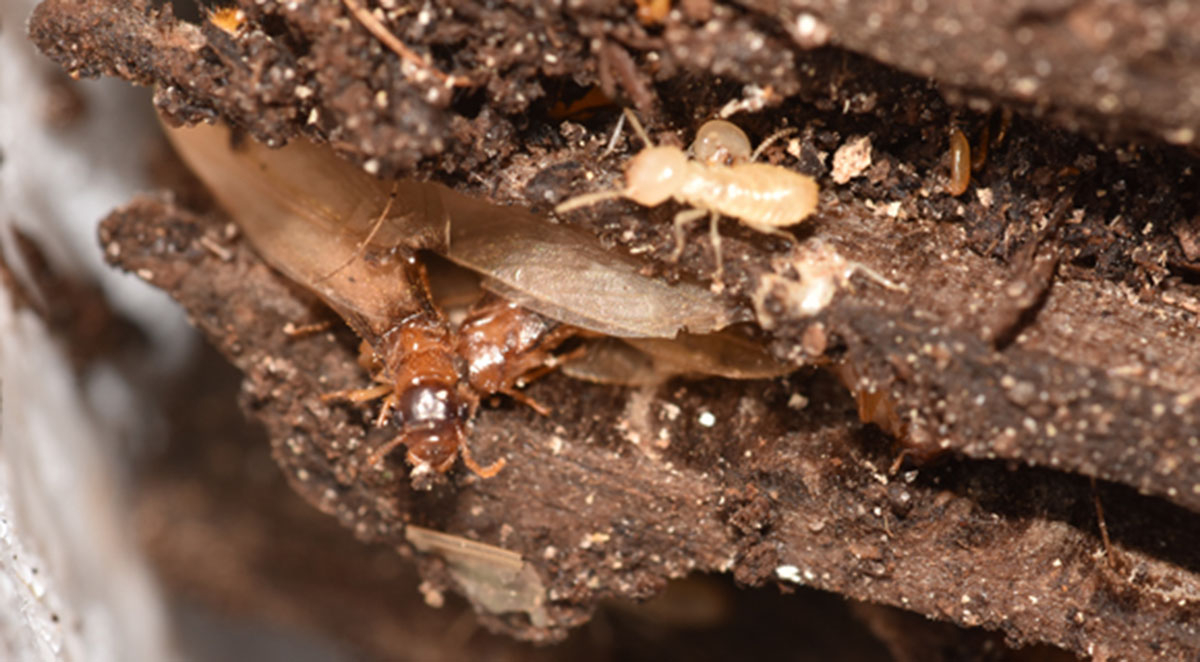
After an initial treatment, annual inspections are strongly recommended to catch any new activity early. When termites are found, Rid-A-Bug treats with Termidor, a non-repellent that termites spread through their own colonies. Our post comparing liquid treatments and bait systems for termite control covers the options.
Mosquitoes
During the warmer months, typically April through October, monthly or bi-monthly backyard treatments help eliminate mosquitoes at the source and reduce breeding areas. Mosquitoes can develop from egg to adult in just 10 to 14 days, so a one-time spray rarely keeps up. Our guide to mosquito season and when to call a professional explains the timing.
Wildlife
Wildlife situations usually start with a one-time removal and exclusion service. Periodic monitoring afterward helps make sure animals do not return.
Why Ongoing Service Outperforms One-Time Applications
One-time treatments clear up the problem in front of you. Recurring service keeps the next problem from developing, which is why most homeowners get better long-term results from a maintenance plan.
Pest Pressure Changes With Every Season
Wilkes and Yadkin County homes face a rotating cast of pests throughout the year. Spring brings termite swarms and ant colonies, summer brings mosquitoes, wasps, fleas, and ticks, and fall drives stink bugs, spiders, and rodents indoors. Winter pests like mice and cockroaches seek warmth inside.
A single treatment addresses one moment in that cycle. Quarterly visits line up with each seasonal shift, so your protection adjusts as the pests change. Our spring to summer pest prevention guide for Wilkes homeowners shows how quickly activity builds once the weather warms.
Early Detection Prevents Costly Damage
Many homeowners only think about pest control when they see a problem. By that point, pests may have already caused damage or established colonies that are difficult to eliminate. Termites are the clearest example, since infestations often go unnoticed until costly structural damage has already been done.
Regular visits put a trained set of eyes on your property four times a year. That steady attention makes it far more likely that a small issue gets caught early.
Rural and Wooded Properties Face More Pressure
Homes in heavily wooded or rural areas tend to experience more pest pressure than homes in town. Much of Wilkes and Yadkin counties fits that description, with farmland, creeks, and wooded lots surrounding many homes. Older homes can also have more gaps, cracks, and entry points. These factors make ongoing service especially valuable for foothills properties.
IPM Delivers Its Best Results Over Time
Rid-A-Bug follows Integrated Pest Management (IPM), which combines biological, cultural, mechanical, and chemical methods to control pests while minimizing risk to people, property, and the environment. IPM takes time to show its full results because it works on the conditions behind an infestation.
That long-term focus fits naturally with a recurring plan. IPM methods can change how much pest control a property needs over time, and multiple methods help prevent pests from developing resistance. Rid-A-Bug also offers LEED certified treatments that emphasize IPM and non-chemical solutions.
Questions to Ask Before Choosing a Plan
Before deciding between quarterly pest control and a one-time treatment, consider these questions:
- Is this a single, isolated problem, or have you seen pests in more than one season?
- Does your home sit near woods, farmland, or water?
- Is your home older, with a crawl space or settling gaps around utility lines?
- Do you have pets that may bring in fleas or ticks?
- Are you dealing with a pest that needs its own schedule, such as termites or mosquitoes?
If you answered yes to several of these, a recurring plan is likely the better fit. A professional inspection will confirm the right schedule for your home.
Why Choose Rid-A-Bug for Your Pest Control Plan
Rid-A-Bug has served the foothills for more than 50 years with a staff of more than 45 pest management professionals. Homeowners choose us for:
- Same-day service or service within 24 hours
- Weekend, evening, and after-hours emergency availability
- State-registered technicians for pest management and wood-destroying insects
- Warranties available for retreatment and damage repair
- A 10% discount for military members and senior citizens
Frequently Asked Questions
How often should I get pest control in North Carolina?
For most homes in North Carolina, quarterly treatments provide effective year-round protection. Homes with heavy pest pressure or specific concerns like termites or mosquitoes may need additional service.
Is monthly pest control necessary?
Monthly service is generally not necessary for most homes. Certain situations, such as mosquito treatment during the summer or a severe infestation, may call for more frequent visits.
Can I switch from a one-time treatment to a quarterly plan?
Yes. Many homeowners start with a one-time treatment for an active problem and then move to ongoing service to prevent a repeat. Contact Rid-A-Bug to discuss the best schedule for your home.
Can I skip pest control in the winter?
Skipping winter service is not recommended. Rodents, cockroaches, and spiders are commonly found inside homes during the colder months, and termites remain active year-round.
How much does quarterly pest control cost?
Cost depends on property size, the pests involved, and service frequency. Contact Rid-A-Bug for a personalized estimate.
Plan Ahead for a Pest-Free Year
One-time treatments solve immediate problems, and quarterly pest control keeps new ones from taking hold. For most Wilkes and Yadkin County homes, a recurring plan paired with targeted treatments when needed offers the most reliable protection. The new year is an ideal time to put that plan in place.
Contact Rid-A-Bug Exterminating today or call 1-800-682-5901 to schedule an inspection and find the right plan for your home.