

The housing market is filled with complexities, and some of them may be hard to see. Investing in a home is one of the biggest financial decisions a person can make, and it's essential to ensure that the property is free from any hidden problems, including pest infestations.

Everyone loves their pets! They bring so much joy to our lives and provide countless hours of entertainment and companionship. However, what some people may not know is pet ownership also comes with its own set of challenges, including the potential for pest problems.

Dealing with allergies is the worst, and no one wants sneezing or runny noses. Allergies are an incredibly common issue for many people and can be incredibly uncomfortable and sometimes can even become dangerous. Fortunately, there are several steps that can be taken to reduce the severity and frequency of allergies.

One word homeowners never want to hear is termites. Many people who encounter termites around their houses or yards know how dangerous they can be to their home's infrastructure, but do they stop to wonder if these destructive creatures are also a health hazard to humans and whether they can make them sick?
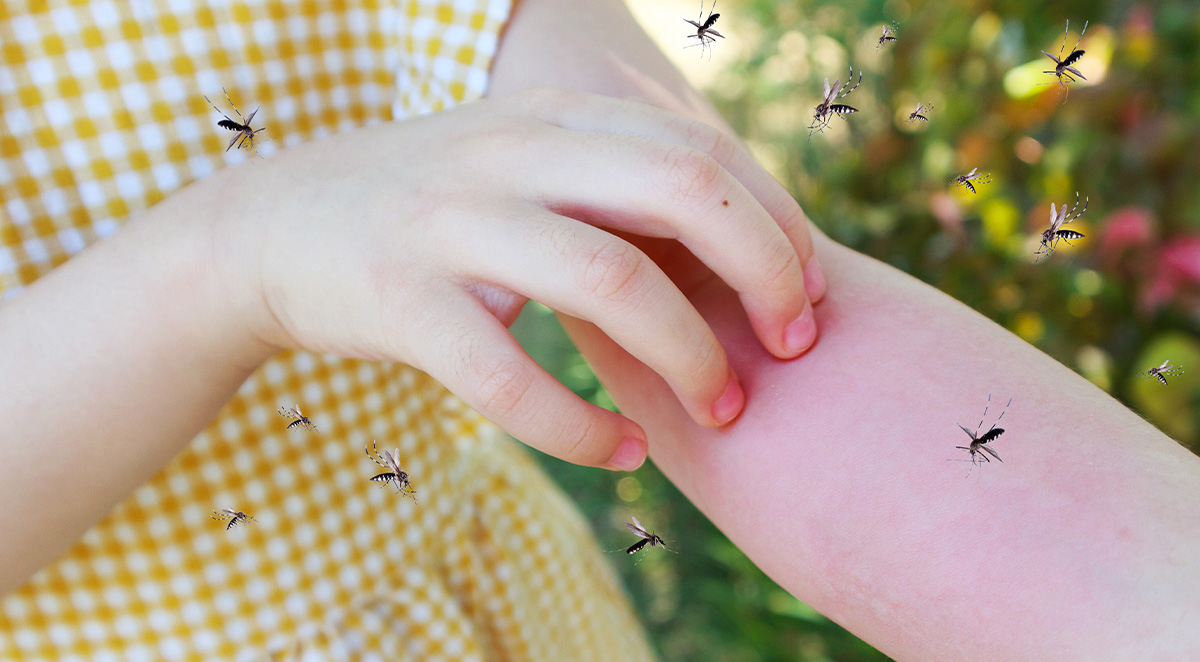
We have all had to deal with pest infestations at some point or another in our lives. Sometimes this can be as simple as an annoying amount of flies, but can also mean dealing with rats or other pests that carry vector-based diseases such as mosquitoes or ticks. There is nothing more worrying than the possibility of dangerous pests in your home. They can cause allergic reactions but also carry dangerous diseases.