
Rid-a-Bug Exterminating Blog

Many of us have found ourselves wondering the same thing, “Why do pests and rodents love my house so much”? You are not alone, many homeowners struggle with this exact question, and some of the reasons may be very surprising.
You love your home, but guess what, pests and rodents love it too. These critters love to seek warmth and safety inside homes and other structures. Their presence can cause damage and be a nuisance, all while lowering the value of your home in the process.
But lucky for you, many pests and other creatures are not as stealthy as they may seem. These intruders often leave traces such as droppings and hair behind that can help indicate they have made their way into your home.
This article will outline a few of the warning signs you should be on the lookout for as you scope your home for unwanted visitors, and a few suggestions for how to deal with them once they have made their way inside.

Do you love your pets? That's a silly question; of course, you do! They're your furry family members. They're loyal friends and obviously love you too.
Unfortunately, sometimes you're not the only one who loves your pets. It may seem like fleas also care about your dogs and cats as much as you do. Unlike you, who your furry friends can't wait to see when you get home, fleas drive your dogs or cats crazy!
It may feel like you've done everything you can to try to keep the fleas away from your pets, but nothing works. We want to try to help explain why these tiny pests love your pet, and what you can do to send them away for good.

How many times have you heard yourself say ‘New Year, New Me? More times than you can count, right? Each year we make goals for the New Year in honor of a fresh new season, but how often do we end up keeping up with these goals and sticking to them?
It can be difficult to really keep those resolutions, and unfortunately, many slip into our minds before January is over.

When you played hide-and-seek or tag as a kid, did you have a base? The base is the place where you’re safe from being tagged and getting out. For your family, your home is the base where you are safe from the challenges we face every day. Each person probably has their own spaces designed to help them recuperate, recover, and recharge.
However, you may not realize your place of refuge could also be home to many tiny freeloaders. There could be six, eight, and multi-hundred-legged creepy-crawling and flying pests hanging out in your house, believing they belong.
Does your house have bugs inside? The short answer is, most likely, yes. In this article, we’re helping you figure out if you have pests in your house and what to do about them.
Life in the Carolinas is intricately tied to the beauty of the great outdoors. From spring through fall, our weather is perfect for getting out and exploring nature. Even during winter, it is usually warm enough to spend at least some time outside. When it’s cold enough to snow, you can find the entire neighborhood gathered around the sledding hill from morning till night.
Unfortunately, sometimes the outdoors gets inside our homes. Bugs and pests crawl, fly, and worm their way into our houses and can bother our families. Some of these pests can cause harm to people and damage to your property. No one wants to find their homes infested with our least favorite part of the outdoors.

We live in one of the most beautiful places in the country. The Piedmont and foothills of the Carolinas and Virginia are home to peaceful rolling hills, stunning fast-flowing rivers, expansive views, and abundant wildlife. Each season has its distinctive beauty.
In spring, our area bursts in color as flowers and trees bloom. The greens of summer invite us to explore nature and provide the opportunity to see animals and swim in cold water swimming holes. The changing leaves put on a magnificent display during fall, while winter gives us a chance to see our area blanketed in snow.
Regardless of your favorite season, we all want to make sure we preserve and protect what makes our area special. Nevertheless, even the prettiest places are plagued by pesky pests. Some pests are not just a nuisance; they can damage our homes and threaten our health. How can we eradicate them without causing harm to the things we love?
Fall is in the air. It is the best time of year in North Carolina and Virginia. We finally get a break from the potentially oppressive heat of summer, with cool nights and mornings. The ground is still warm, and temperatures are pleasant during the day.
Most mornings start with wispy mist rising from the rivers and draping the foothills and mountains in blankets of puffy fog. Through October and November, the mountains, hills, and valleys turn marvelous shades of orange, red, and purple. It is a season for enjoying the outdoors, building campfires, and watching sports with your friends and family.
People often want to believe that pests go away the first time the weather gets cool enough to justify wearing a sweater; however, there are bugs that plague us throughout fall and winter.

Summertime is wonderful, and that means plenty of time outdoors, trips to swimming holes, and cookouts with friends. With summer, it always seems like there are more flies out and about, trying to find their way inside of your home. Not only are flies annoying, but in some cases can spread disease.
Flies are found pretty much anywhere that humans can live. In fact, the only places you cannot find them are at the polar ice caps. While they are around year-round, flies prefer warmer temperatures, especially in summer to early fall.
Flies and fruit flies can be found in swarming trash cans, rotten food, and other sources and carry parasites and diseases to everything from surfaces that we come in contact with and possibly our food. Some of the pathogens that they can cause are typhoid, cholera, dysentery, and more.
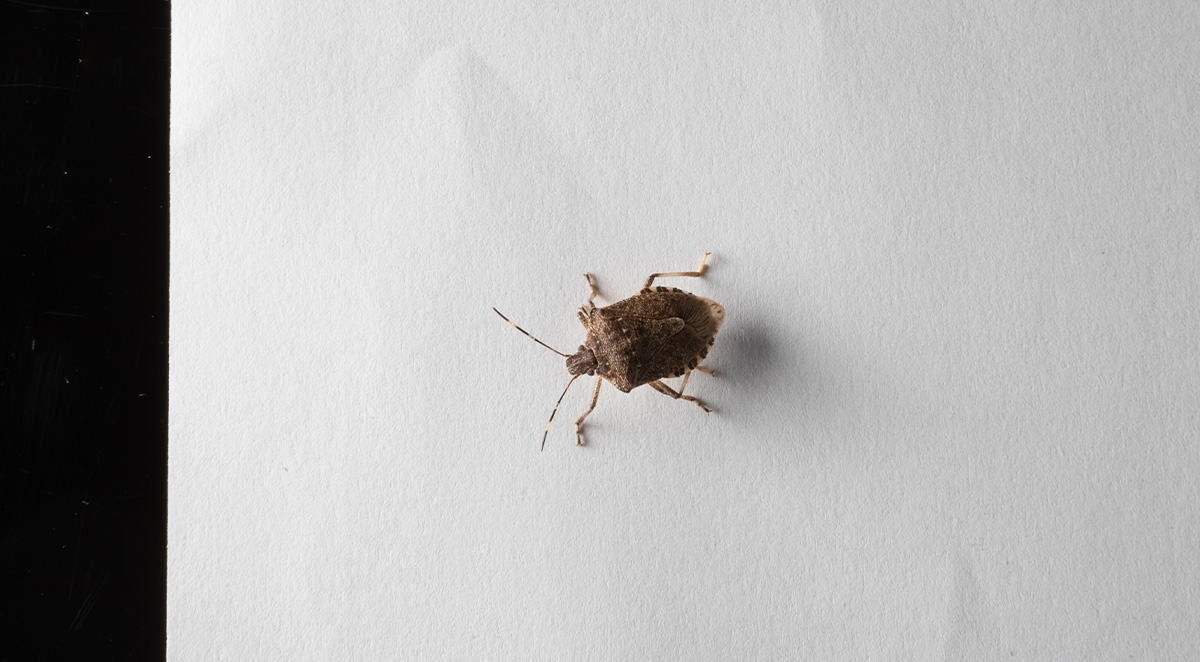
Autumn is coming up soon, and we all know what that means, stink bugs. Stink bugs are one of many fall pests that can be found in North Carolina. They invade every part of your home, your work, and even your vehicles. But where did these evil creatures come from?
Why are they here? And what is the deal with the smell? We may not know everything about stink bugs, but we have gathered a few fast facts about stink bugs, as well as a few tips on how to get rid of these smelly pests.
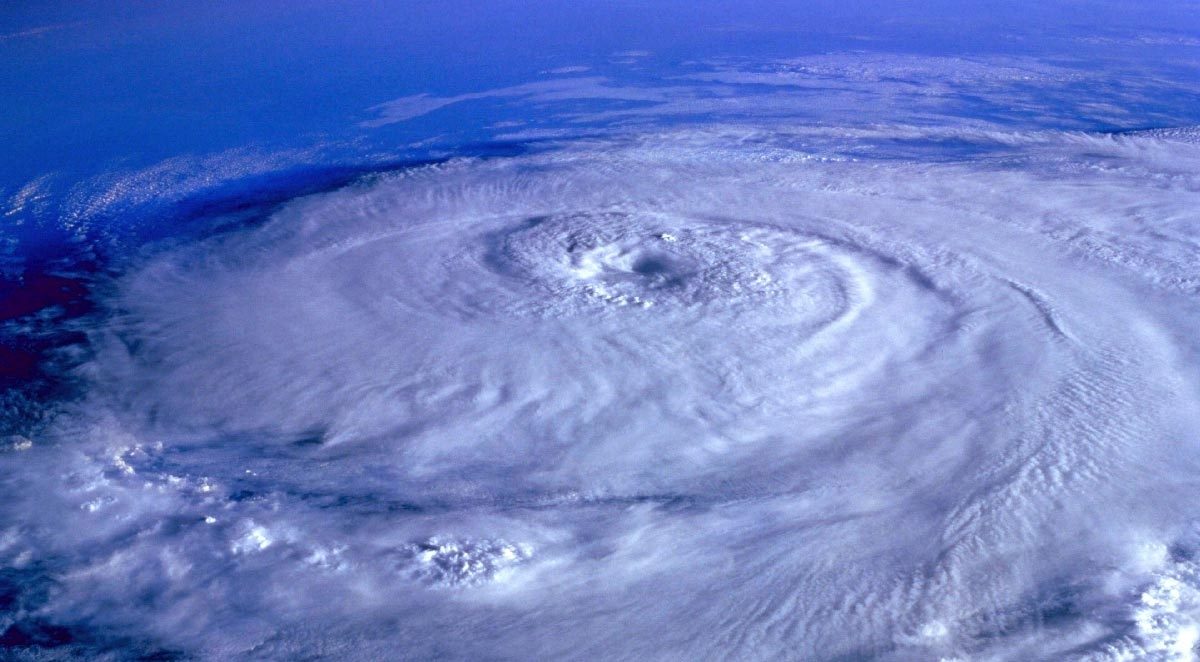
For those of us who call North Carolina home, tropical storms and hurricanes are the cost of doing business in one of the most beautiful spots on Earth. We know what to do: we stock up on essentials. We board up windows. We check on our neighbors.
We keep up with the weather forecasts. We prepare to hunker down or evacuate as needed. But one thing we do not typically think of as pests. That’s right: when severe weather storms roll in, they can bring a spike in pest populations. Why? And what do you do to guard against infestations in your home?
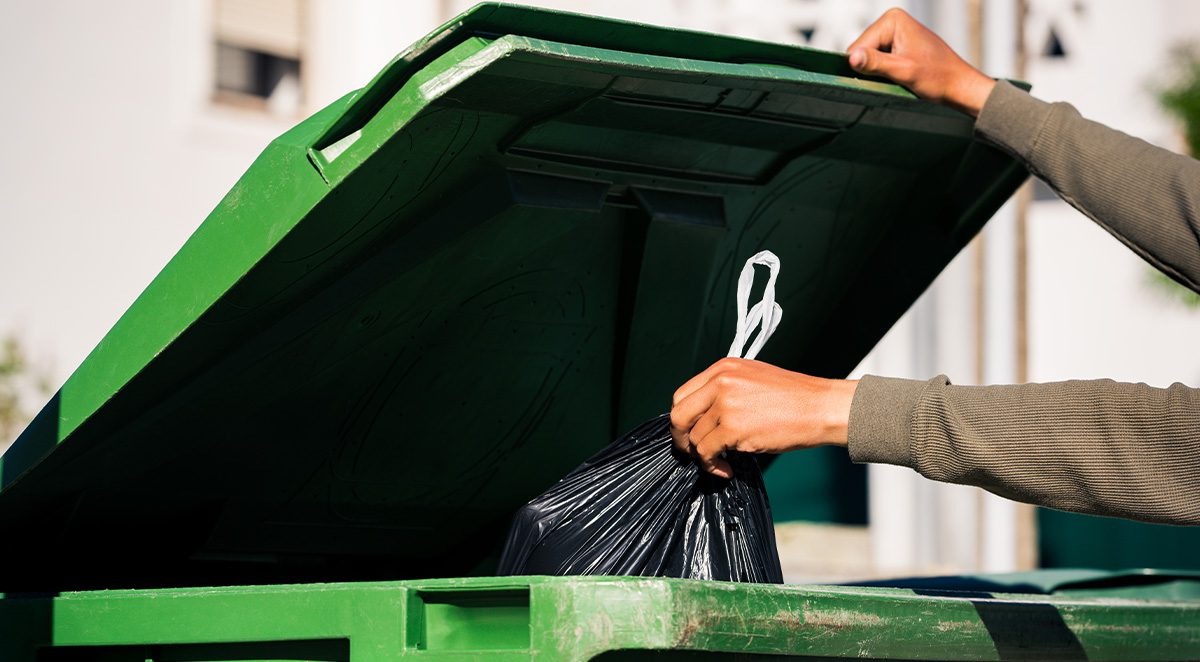
Do you want to know how to get rid of house flies in your house? The common pests, which have a single pair of wings and complex red eyes, are known to breed in kitchen bins, feces, or on spoiled food piles.
We've compiled the best advice and natural solutions to try to help you prevent house flies. While house flies can be extremely tough to eliminate, there are some natural ways to keep them away.

Wasps and honey bees can be confused since both insects can inflict painful stings. While honey bees can attack when provoked, wasps are more aggressive predators by nature.
It's important to recognize between honey bees and wasps to provide proper care treatment for stings and appropriate pest management. So, how can you tell the difference between a wasp and a bee?
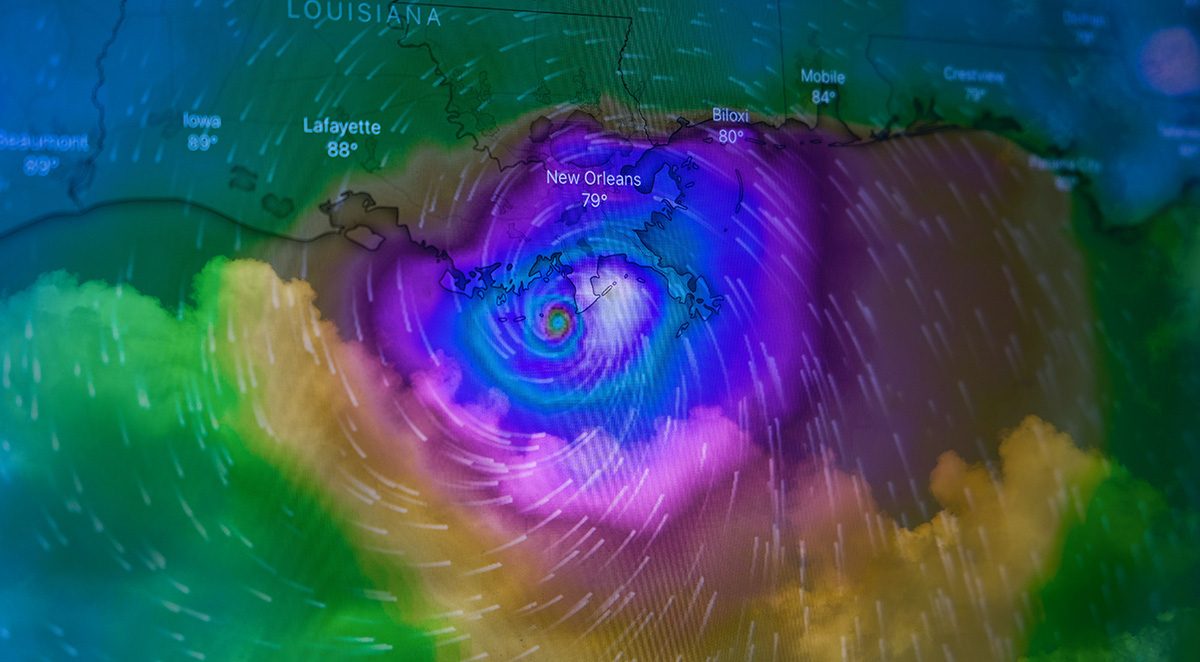
Summer is a favorite time of year for residents of the Carolinas and Virginia. There is a lot of opportunity for fun in the sun and sand, letting the kids play outdoors, and enjoying our beautiful area. However, it is also a season of potentially volatile weather.
The 2022 Atlantic Hurricane Season has been quiet thus far, but that is to be expected from June through early August. It is around the time students begin returning to school that the ocean temperatures are their warmest. From late August through the middle of October, we are likely to see a number of storms form and threaten the East Coast.
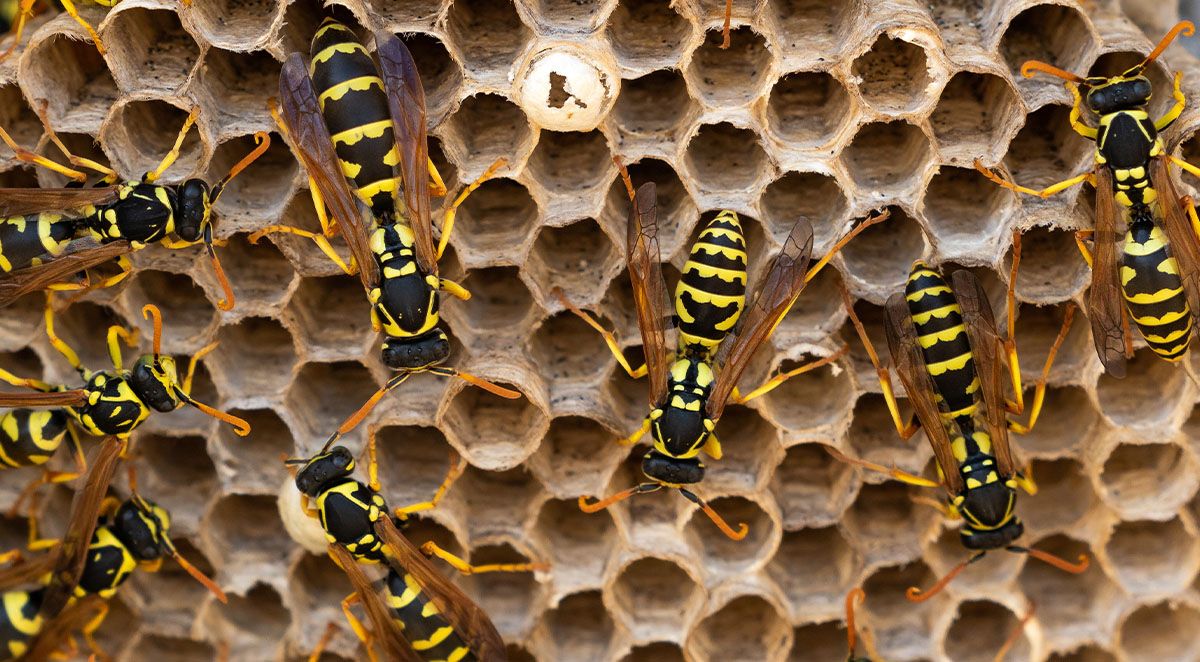
Wasps, like many other pests, hibernate throughout the winter and are active in the spring and summer. They build their nests in places that offer protection from the elements, such as your porch or the surrounding yard.
During the warmer months, we practically live on our porches and in our backyards. Having a danger in your midst can put a damper on your summer. To protect your family and friends in the best way possible, make your home unappealing to wasps in the first place. Here's how.

Flea infestations are quite inconvenient. Fleas can bite, transmit diseases, and generally cause havoc. Your yard and grass provide a comfortable environment for fleas to feed, breed, and lay eggs, as well as simple access for them to hitch a ride inside on you or your pets.
To find out if you have fleas in your yard and how to get rid of them, keep reading.

Fruit flies can occur at any time of year, although they are more abundant in the summer when more fruits and vegetables are ripening. They lay eggs on rotting or fermenting food, and hundreds of larvae hatch. The larvae will then lay eggs, and before you know it, they will have taken over your kitchen.
In many ways, getting rid of fruit flies is no different than getting rid of ants, gnats, or other pesky pests. To permanently eliminate these pests, you'll need to be smart and have a long-term solution. Fortunately, there are a few things you can do to exterminate fruit flies and reclaim your kitchen.

Fleas are tiny, reddish-brown insects that are barely visible to the human eye. They are commonly associated with household pets such as cats or dogs, but they can also enter your home in other ways. You might not even realize you have an infestation until you notice red, raised, itching bumps on your skin.
Here are three ways fleas can get inside your home.
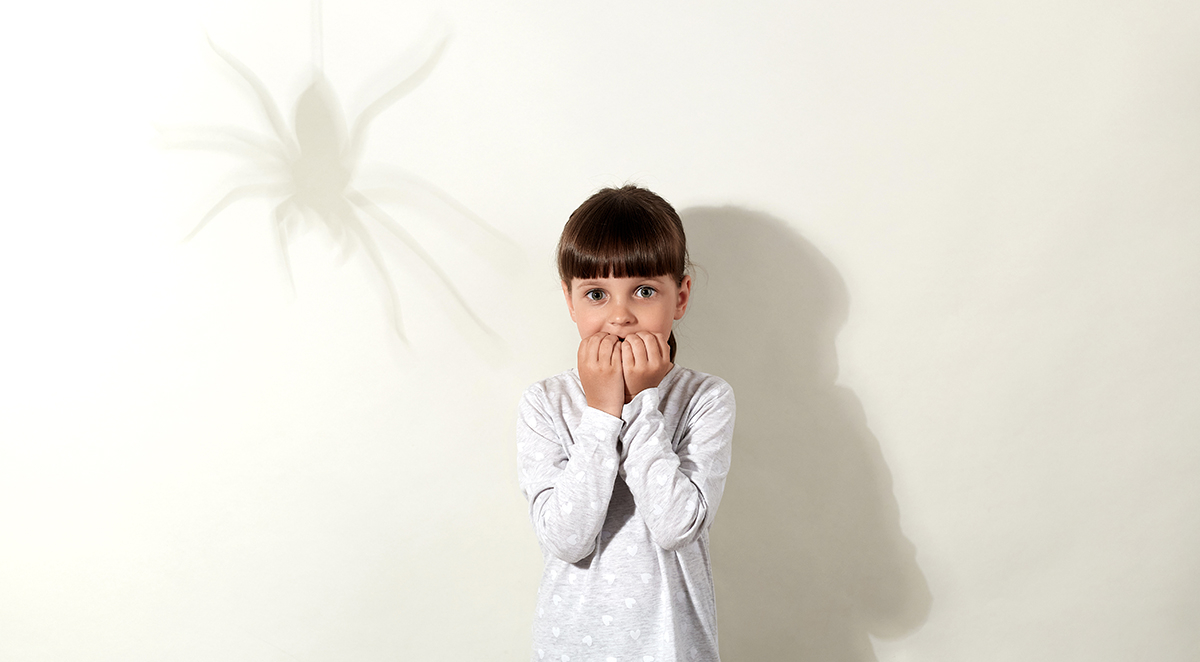
Is there a new scary spider in town? Much has been made of the Joro spider in the last few months. It’s grabbing headlines for the fact that it can grow to be as large as the palm of your hand, and will likely be in North Carolina if they aren’t here already.
Here’s what you need to know about Joro spiders and whether or not they pose a danger to your family.
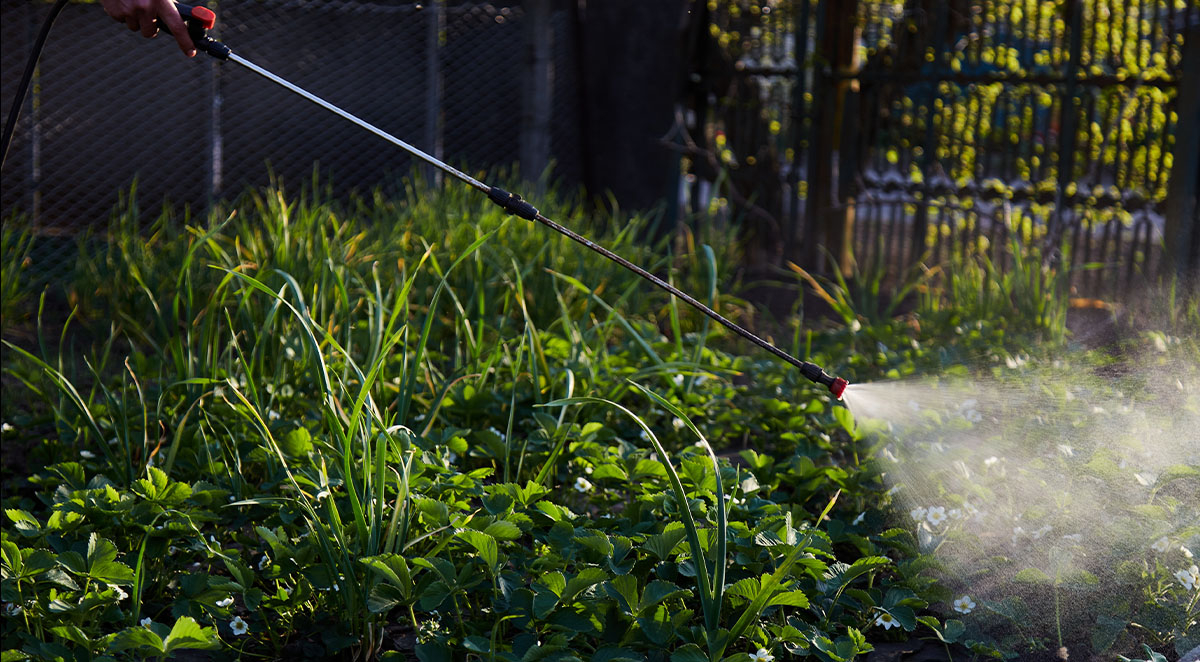
Whether it is the stability of the ecosystems around us or the health and safety of family and pets, we all care about our environment. Integrated Pest Management (IPM) is a pest control process that uses natural deterrents, habitat manipulation, and biological control to maintain the long-term prevention of pests. While IPM may involve using chemicals to treat a pest infestation, it is usually a last resort.
This core focus on removing pests with as little risk to people and the environment makes Integrated Pest Management an important and ultimately more effective approach to dealing with insect and wildlife infestations.
How Integrated Pest Management Takes Pollinators Into Consideration
Every year the United States and the world lose more of its pollinator species. These essential workers help fertilize and maintain healthy plants and crops that we eat or use for medicine. But through habitat loss, poor pest management, and pesticides in agriculture, the health of bees, butterflies, and other pollinators is at risk.
Using an integrated approach can minimize collateral damage and help keep your local populations of pollinators happy and healthy. IPM works to take the consideration of pollinators and other beneficial species into account through a series of systematic steps, including:
- Identifying the root source of the pest problem
- Utilizing targeted removal solutions
- Implementing long-term deterrents
Each step is essential for IPM to be safe and effective. So let us take a look at what each of these stages looks like in practice.
Identification of Problems
Our first reaction to noticing a lot of insects is that they need to go. They don’t give us creepy crawlies for nothing. While insects found inside the home generally need to be removed, we need to consider whether the ‘pests’ are a problem once we move outside. Not all insects, or critters, are detrimental or dangerous for us to live around.
Bees and butterflies may be prominent examples of insects to protect or even attract to your home, but they aren’t the only pollinators needing protection. Many beetles are essential in a healthy garden ecosystem.
The ubiquitous and invasive Japanese Beetle has left many of us gardeners with a gut reaction to remove everything. Still, most native species eat other pest species, helping protect our flowers and harvests.
Taking the time to identify a potential pest can give us the information to weigh the pros and cons of removal. And can help tailor removal solutions so that other critters don’t get caught in the crossfire.
Natural Removal Solutions
Once the pest is identified and a course of action chosen, it is time to put pest removal methods into practice. For an IPM approach, these will be natural or non-invasive strategies that aim to remove problems without reaching for harmful chemicals. Natural removal solutions take a targeted approach to deal with the immediate issue, but they sometimes take longer than insta-kill chemicals.
Depending on the species of pest, you may see any number of solutions utilized, such as:
- Pheromone treatments that can stop breeding behaviors
- Trapping to remove colonies off-site
- The introduction of natural enemies or more helpful competitors
- A simple screen solution if you decide to keep the insect around but want your living space protected
The key is that chemicals are a last resort, and when used, they are chosen and applied very carefully. A large nest of yellow jackets next to the driveway is a significant hazard, but you shouldn’t risk contaminating nearby water or food sources that birds or other pollinators frequent.
Ecosystems are huge interconnected webs. Touching even one part can alter another unexpectedly if you aren’t careful. Proper management requires thorough knowledge of pest behaviors and life cycles.
Common Sense Deterrence
The final part of Integrated Pest Management is the implementation of long-term deterrents. While the top two steps should be completed with a pest control expert for the best results, you can do this step anytime.
It focuses on altering the physical environment in which insects live. If you remove potential places of shelter, food, and water, you can keep your home pest-free.
Some of the common-sense deterrence recommendations for IPM around homes include:
- Ensuring there are no cracks or openings into living spaces from a home's exterior and sealing crawl spaces.
- Keeping trash secure both inside and outside the home.
- Removing standing water, debris, or brush piles from the property.
- Storing food of aunty type in pest-resistant containers.
If it seems simple, it is. All it takes is some proactive steps on your part to keep your home environment cleaner and pest free.
Selecting an Environmentally Conscious Exterminator
When you have a pest problem, you want to select an environmentally conscious exterminator that knows your local area and takes safety importantly. If not for the bees, then for you or your family's health.
If you don’t know where to start when selecting a pest control service, we’ve previously discussed what we think is essential to look for in a professional exterminator. The key takeaways are:
- They have experience with the local environment and pest populations. National brands may take a broader approach; established local companies know the ecosystems.
- The pest control company should hold appropriate licenses from the state, including but not limited to the Department of Agriculture or Wildlife Commissions.
- They come recommended, either via word of mouth or online reviews. If you can’t find any recent reviews, look for Quality Pro Certification for pest management.
- Pest control company mentions IPM methodologies or LEED-certified treatments.
Rid-A-Bug Exterminating
For the past 50 years, our team here at Rid-A-Bug has been the pest control experts you can trust to treat the source of the problem. We work with you to deliver fast, effective, and environmentally friendly pest control that gets results and keeps the environment healthy in and around your home.
If you have a pest or wildlife problem of your own, let us help. Call us at 1-800-682-5901, or fill out our online contact form. We know pests can pose a big problem, not just be a nuisance, and can often have a team out to your home within 24 hours to start getting your home bug or rodent free as soon as possible.
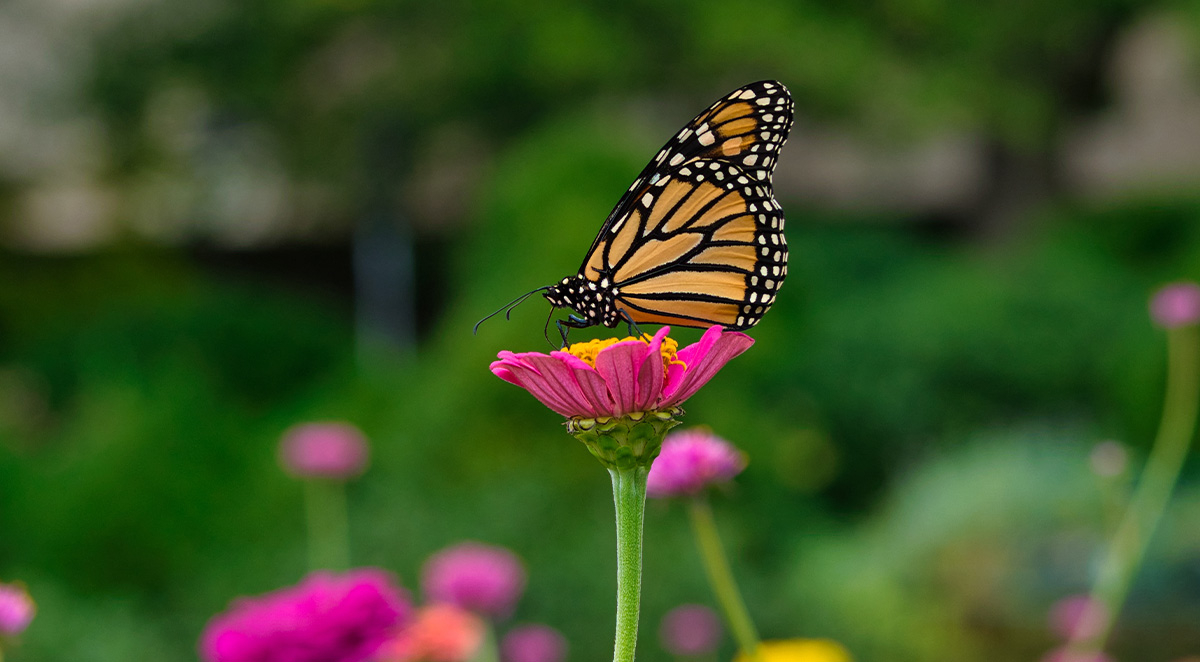
Pollination is simply the transfer of plant pollen to a female species of a plant. It is essential for maintaining healthy crops and plant growth since it is the only way many species become fertilized.
Nearly a thousand plants we depend on for food or medicine require pollination. While hand pollination is possible on a small scale, it most commonly occurs by insects or other small animals.
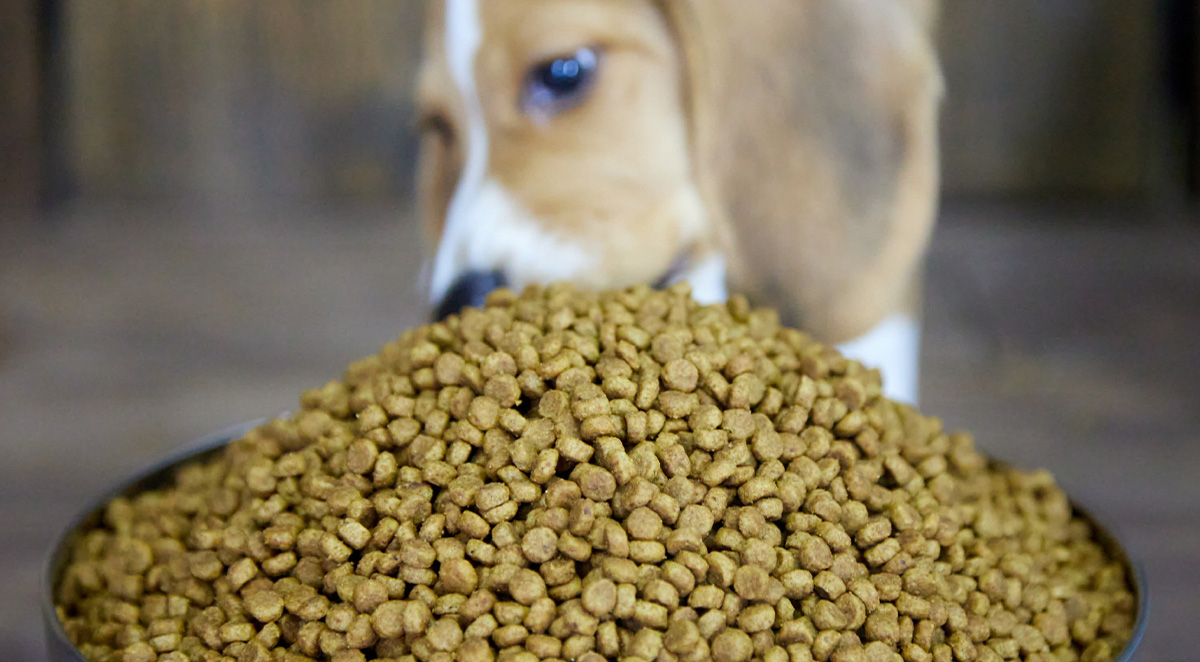
We love to eat, our pets love to eat, and so do pests. Insects, rodents, and birds will all capitalize on an easy meal. If we aren’t careful, the easiest meal available is the one we intend for our pets. And where one pest finds a free meal, more are sure to follow.
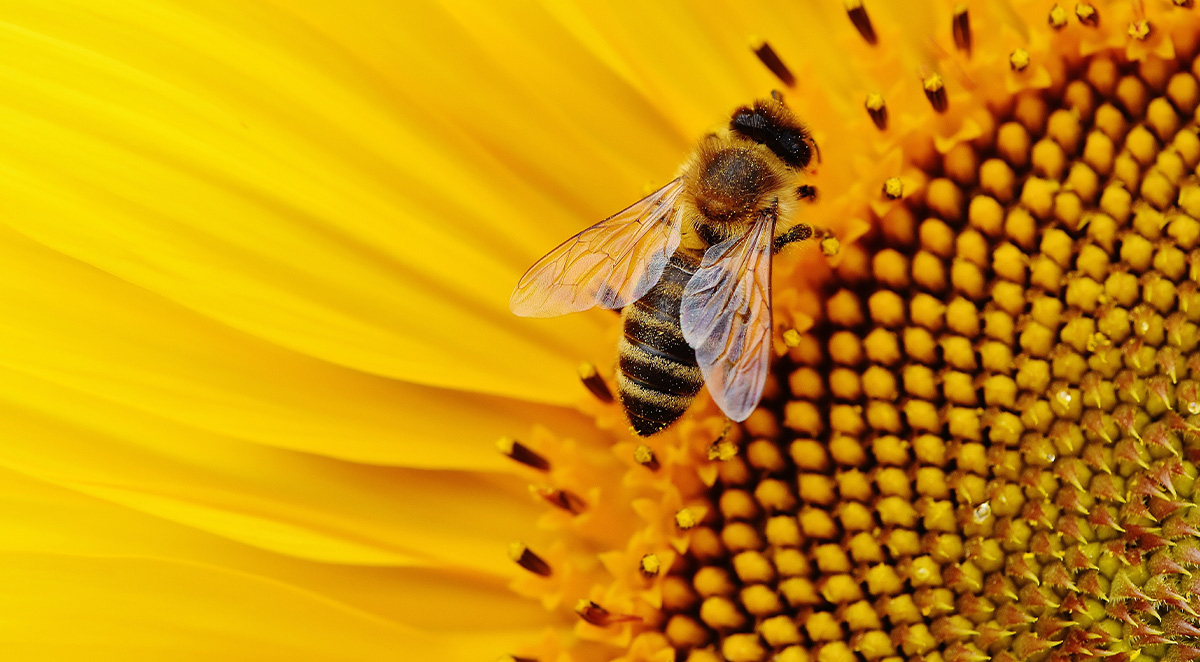
By now, there is no denying that the pesticides we have reached for over the last few decades are harmful to ourselves, pets, and the environment. According to the CDC, 90% of Americans have traceable amounts of dozens of chemicals linked to cancer, reproductive issues, and neurological problems in our bodies.
We have been asked frequently about the importance of choosing environmentally friendly pest control options. There are a lot of preventative measures you, as a homeowner, can take that are incredibly effective and have minimal impact on the health of the environment you live in. But what happens when you need professional help?
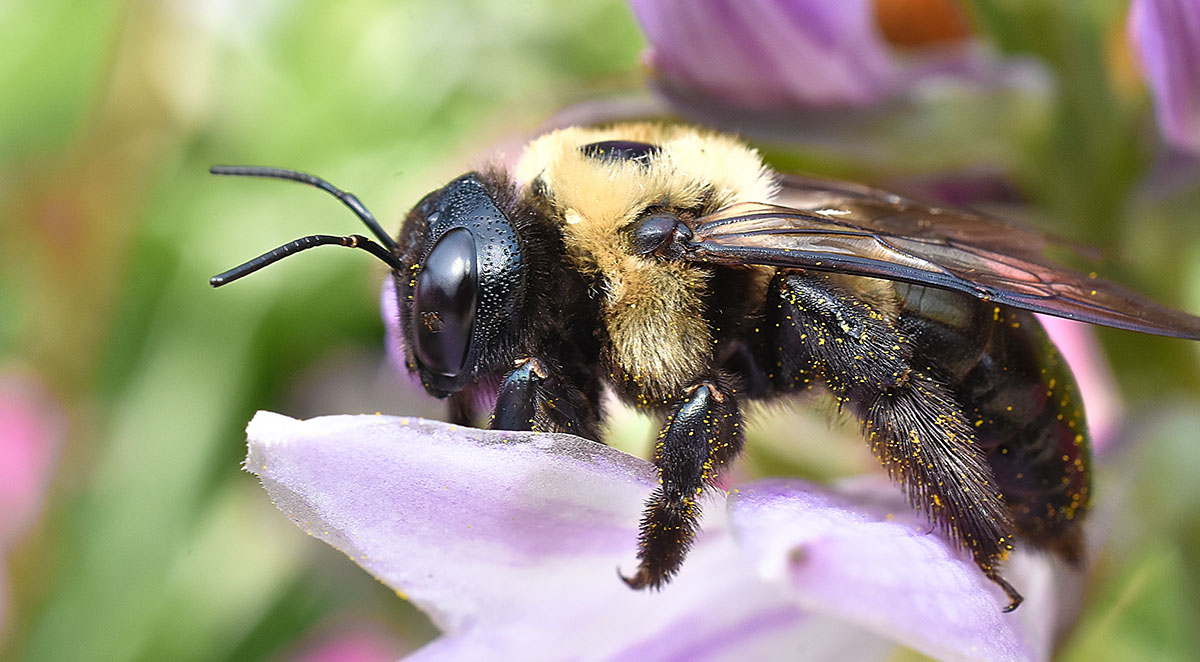
Despite their large size and sometimes territorial behavior, carpenter bees are not considered dangerous to humans or pets. In fact, the bee you are most likely to have buzzing around your head while on the porch during spring and summer is likely male and unable to sting at all.
Only the females of the species have stingers, and they tend to stay inside their bored tunnel nests. If they feel threatened, they will defend their eggs. So just don’t stick your finger inside one of their tunnel nests, and you will be fine.