

The honest answer is more nuanced than most ozone generator marketing suggests. Ozone has genuine antimicrobial and oxidizing properties. Used correctly and in the right context, it can reduce certain pest-related problems. But the gap between laboratory results and real-world effectiveness is significant, and there are meaningful safety considerations that often go underemphasized in consumer-facing information. Here's what the research actually shows.
Quick Summary
- Ozone generators produce ozone gas (O3), which can kill or repel some insects and microorganisms at high concentrations
- Achieving concentrations high enough to be effective against pests also makes the treated space unsafe for humans, pets, and many houseplants during treatment
- Ozone is effective against odors, some surface bacteria, and airborne mold spores; it is much less reliable for established pest infestations
- Most pest control professionals do not use ozone as a primary treatment because it does not address breeding sites, eggs, or colonies in wall voids and inaccessible areas
- Ozone generators are not a substitute for professional pest management and are not a reliable standalone treatment for termites, bed bugs, rodents, or most active infestations
- Contact Rid-A-Bug for professional, targeted pest management throughout Wilkes County, Yadkin County, and the NC foothills
What Is Ozone, and How Does It Affect Pests?
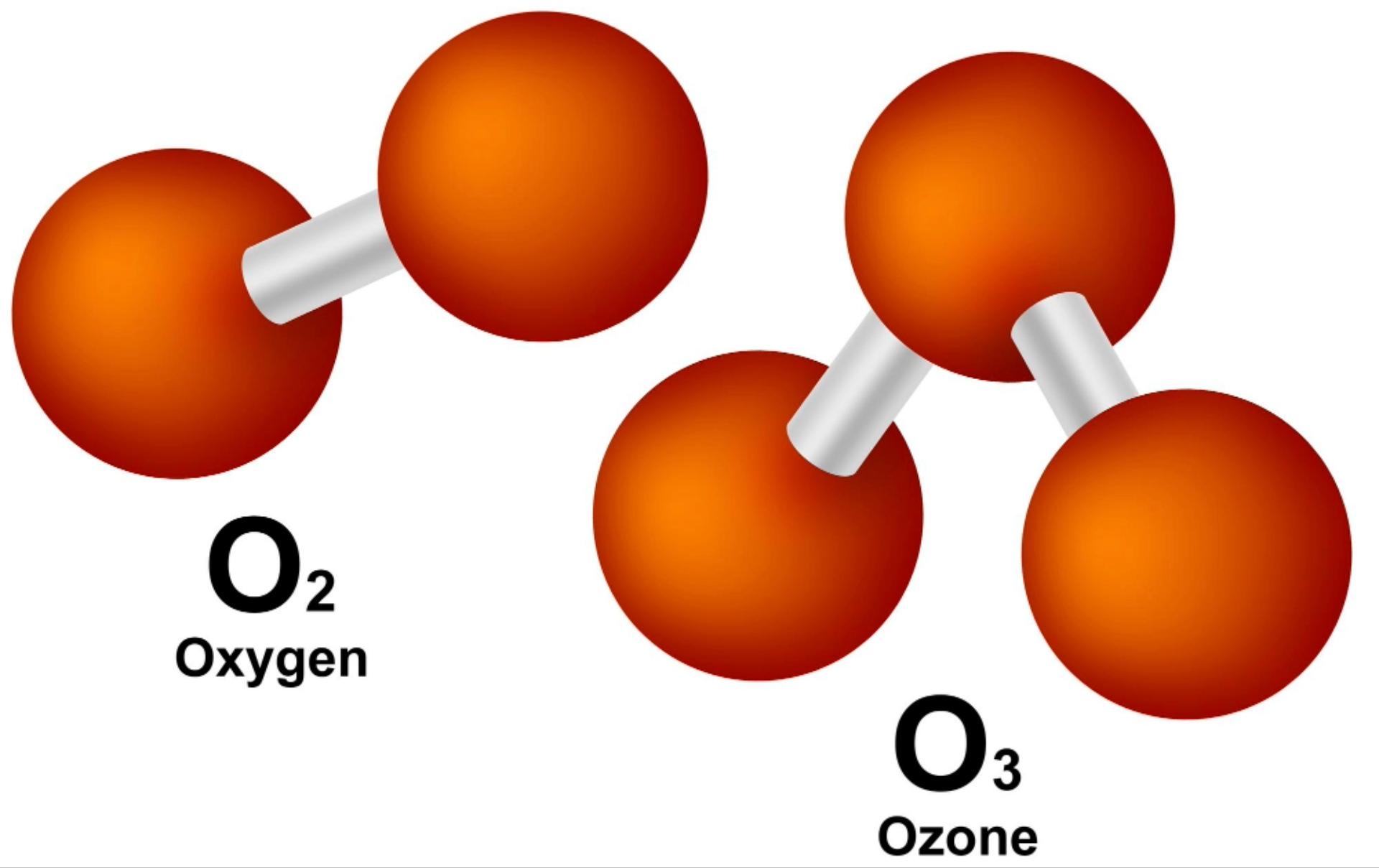
Ozone (O3) is a molecule made up of three oxygen atoms, as opposed to the two-atom oxygen (O2) we breathe. It's highly reactive, meaning it readily bonds with and oxidizes other molecules it encounters. This reactivity is what gives ozone its antimicrobial properties: it breaks down cell walls, disrupts proteins, and damages DNA in microorganisms it contacts.
The same oxidizing reaction that kills bacteria and mold spores can also be lethal to insects at sufficiently high concentrations. Research has confirmed that ozone at concentrations well above safe human exposure limits can kill certain insects, including some stored product pests, cockroaches, and in laboratory conditions, bed bugs. The phrase "in laboratory conditions" carries significant weight here, as we'll cover below.
Ozone also breaks down naturally into regular oxygen within a few hours, leaving no chemical residue. This is part of its appeal for homeowners looking for alternatives to traditional pesticides.
What Ozone Generators Can Reasonably Do
Used within their actual capabilities, ozone generators have legitimate applications:
- Odor elimination: Ozone is genuinely effective at neutralizing organic odors, including smoke, pet odors, mold, and musty smells from moisture damage. This is its most well-supported consumer application.
- Surface and airborne microbial reduction: Ozone at elevated concentrations reduces airborne mold spores, some bacteria, and surface pathogens on hard surfaces. It's used in food processing and medical settings for this reason, under controlled conditions with proper monitoring.
- Some stored grain and product pest management: Commercial ozone applications in grain storage and food processing facilities have shown effectiveness against certain stored product pests, though these are very different settings from a residential home.
- As a supplemental tool: In some professional contexts, ozone is used as one component of a broader pest management approach, particularly for odor neutralization following a rodent or wildlife infestation cleanup.
Where Ozone Generators Fall Short for Pest Control
The limitations are significant and worth understanding before investing in a consumer ozone unit:
Concentration vs. Safety
The concentrations required to reliably kill insects are substantially higher than the levels considered safe for human or pet exposure. The EPA and OSHA both set occupational exposure limits for ozone well below what pest-lethal concentrations require. This creates a fundamental dilemma: the device cannot be run at safe levels and achieve reliable pest control simultaneously. The space must be completely vacated during treatment and thoroughly aired out before reoccupation, which limits practical applications significantly.
Eggs and Larvae Are More Resistant
Even where ozone is effective against adult insects, eggs and pupae of many pest species are considerably more resistant to ozone exposure. A treatment that kills adult cockroaches, for example, may not affect their egg cases, leaving a reinfestation cycle intact. This limitation applies to many of the pests homeowners most want to eliminate.
Penetration into Hiding Sites
Ozone gas fills a room's air space, but it does not effectively penetrate into the areas where pests actually live: wall voids, inside insulation, beneath subflooring, within cardboard packaging, and deep within furniture. A cockroach population living behind a baseboard heater, a bed bug colony harboring in the seams of a mattress and box spring, or a mouse nest inside a wall cavity are largely protected from ozone exposure that fills the room's open air.
Termites Are Not Affected
Subterranean termites live underground in soil, traveling through mud tubes to access structural wood. A residential ozone generator poses no meaningful threat to a termite colony. The gas does not penetrate soil, does not reach the colony, and even at very high concentrations would not affect workers already inside structural wood. If termite control is the goal, ozone is not a relevant tool.
No Residual Protection
Unlike professional pest treatments that provide weeks or months of residual activity, ozone breaks down into regular oxygen within hours. Once the generator stops and the gas dissipates, there is no ongoing protection against re-infestation. Any pest that enters the space after treatment faces no barrier.
The Safety Considerations Ozone Generator Marketing Often Minimizes
This deserves direct discussion. Ozone at the concentrations produced by consumer generators is not harmless. The EPA's guidance on ozone generators in the home is straightforward: at concentrations that would be effective against microorganisms and pests, ozone can irritate the lungs, exacerbate asthma and other respiratory conditions, and cause long-term pulmonary damage with repeated exposure. People with respiratory sensitivities are at elevated risk.
Pets are also at risk, particularly birds, whose respiratory systems are highly sensitive to airborne irritants. Plants can be damaged or killed by ozone exposure.
Consumer ozone generators vary widely in the concentrations they produce and the instructions they provide. Units marketed as "safe for continuous use" around people are typically operating at concentrations too low to be meaningfully effective against pests. Units powerful enough to affect pest populations require full evacuation and extended airing before reoccupancy.
What Professional Pest Management Does That Ozone Cannot
Professional pest control, particularly an Integrated Pest Management approach like the one Rid-A-Bug uses throughout Wilkes County and the NC foothills, addresses the problems ozone cannot:
- Targeted species identification: Before treatment, a licensed inspector identifies the specific pest and assesses where it's living, breeding, and entering. Treatment follows the biology of that specific pest rather than applying a general intervention.
- Colony and source elimination: For insects that live in colonies, carpenter ants and termites, effective treatment reaches the colony, not just the workers that happen to be in open spaces.
- Residual protection: Professional treatments are formulated to provide weeks or months of ongoing activity, protecting against re-infestation throughout the pest's active season.
- Egg and larvae treatment: Professional protocols account for the full lifecycle of target pests, addressing eggs and larvae that would survive a surface-level treatment.
- Inaccessible area access: Licensed technicians can access wall voids, crawl spaces, and structural areas where pests actually live, delivering treatment directly to the source.
- Legal compliance: In North Carolina, certain pest control applications require licensing. Unlicensed use of pesticides for hire is a violation of state law, and even homeowner applications have limitations. Professional treatments are applied within a regulatory framework that provides consumer protection.
Where Ozone Fits as Part of a Larger Approach
This isn't an argument that ozone generators are useless. They have legitimate applications, particularly for odor control following a pest or wildlife infestation. After a rodent infestation has been professionally addressed and cleaned up, for example, an ozone treatment can help neutralize lingering odors in a way that other methods cannot match.
The key is treating ozone as what it is: a specialized tool with specific, limited applications, rather than a standalone pest control solution. For homeowners in the NC foothills who prefer lower-footprint approaches to pest management, Rid-A-Bug offers LEED-certified treatment options and an Integrated Pest Management philosophy that minimizes chemical use while maintaining effectiveness against the real pest pressures of the region.
Frequently Asked Questions
Can ozone generators kill bed bugs?
In laboratory conditions at very high concentrations, ozone can kill adult bed bugs. In real-world residential applications, effective concentrations are difficult to achieve in all the areas where bed bugs actually harbor, and eggs are significantly more resistant than adults. Professional heat treatment or chemical treatment remains the standard of care for bed bug infestations.
Will an ozone generator help with a cockroach infestation?
It may kill some adults in open areas of a room, but it will not reach cockroaches in wall voids, behind appliances, or inside cabinet interiors where they actually live and breed. It will not affect egg cases. An ozone treatment will not resolve an established cockroach infestation.
Is it safe to use an ozone generator in my home?
Only with complete evacuation of all people, pets, and plants during treatment, followed by thorough ventilation before reoccupancy. Consumer-grade ozone generators vary widely in output. Follow all manufacturer guidelines and do not remain in the space during operation.
Does ozone kill termites?
No. Subterranean termites live underground in soil colonies and are completely unaffected by ozone generator use in a residential structure. If termite control is your concern, contact a licensed pest management professional.
What is ozone most useful for in a pest management context?
Odor neutralization following cleanup of a pest or wildlife infestation is ozone's most well-supported residential application. It can also reduce airborne mold spores and surface bacteria in a vacated space. These are supplemental benefits, not primary pest control.
What does Rid-A-Bug recommend instead of an ozone generator for pest control?
A professional inspection to correctly identify the pest and assess the scope of the infestation, followed by a treatment plan tailored to that specific pest's biology and the conditions of your property. For homeowners who prefer eco-friendly approaches, we offer LEED-certified treatment options and an Integrated Pest Management framework throughout Wilkes County and the NC foothills.
Can ozone generators help with mice or rodents?
No. Rodents are mammals and are not meaningfully affected by ozone concentrations achievable with consumer generators. Effective rodent management requires trapping, exclusion to seal entry points, and sanitation measures that remove food sources.
The Bottom Line on Ozone and Pest Control
Ozone generators are marketed with appeal to homeowners looking for chemical-free pest control alternatives, and for some specific applications, that appeal has some basis. But for the pest pressures that matter most to NC foothills homeowners, including termites, bed bugs, cockroaches, and rodents, ozone generators are not a reliable or adequate solution.
If you're looking for effective, professional pest management in Wilkes County or Yadkin County that takes an Integrated Pest Management approach and minimizes environmental impact, contact Rid-A-Bug Exterminating or call 1-800-682-5901. We've been providing thoughtful, targeted pest control throughout the NC foothills since 1972.